
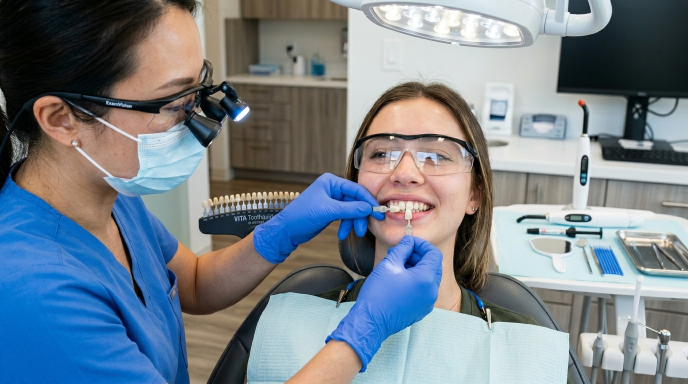





Teeth bonding, also called dental bonding, is a cosmetic treatment that helps improve the look of your teeth. A dentist uses a tooth-colored material called resin, shapes it onto the tooth, hardens it with a special light, and polishes it to look natural. Dental bonding can fix chipped or cracked teeth, close small gaps, and improve the shape or color of teeth. Many people choose bonding to make their smile look better and feel more confident.
Many people in Gilbert, AZ and surrounding areas choose bonding to make their smile look better and feel more confident. Unlike some other cosmetic treatments, dental bonding usually does not require removing much of the natural tooth, and the procedure can often be reversed. Whether you’ve chipped a tooth, have a small gap you want closed bonding might be exactly what you’ve been looking for.
What Is Teeth Bonding?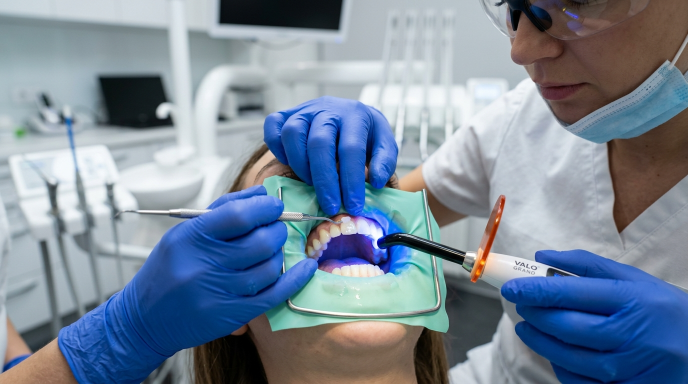
Teeth bonding is a cosmetic dental procedure where your dentist applies a tooth-colored composite resin directly to the surface of a tooth. The resin is shaped and molded to fix imperfections, then hardened with a special curing light. Once it sets, it bonds to the tooth and blends in with your natural enamel.
The material used is called composite resin. It’s a mix of plastic and fine glass particles that can be matched closely to the shade of your real teeth. That’s what makes bonding look so natural. Nobody has to know you had it done.
How Does Teeth Bonding Work?
Teeth bonding starts with your dentist picking a composite resin shade that matches your natural teeth. Then the tooth surface is lightly roughened with a mild liquid so the resin sticks properly. The resin is applied by hand, shaped to fill the chip or close the gap, and then hardened in seconds using a special ultraviolet curing light.
Once the resin is set, the dentist trims any extra material, refines the shape, and polishes the tooth until it blends naturally with the rest of your smile. The whole process takes about 30 to 60 minutes per tooth and usually requires just one visit. No drilling, no waiting, no lengthy recovery.
What Problems Can Teeth Bonding Fix?
Teeth bonding can fix a surprising range of cosmetic issues. It fills in chipped or cracked teeth, covers stubborn stains that don’t respond to whitening, and closes small gaps between teeth without braces. If you have a tooth that looks shorter, wider, or slightly off compared to the rest, bonding can reshape it to match. It even works on mild misalignment where the issue is more about appearance than bite.
Beyond cosmetics, bonding also has restorative uses. It can repair teeth worn down by grinding, protect exposed roots caused by gum recession, and fill small cavities as a natural-looking alternative to silver fillings. Basically, if the problem is minor and visible, bonding can most likely fix it in a single appointment.
Types of Dental Bonding
There are three main types of dental bonding, and each one serves a slightly different purpose.
Composite Bonding
This is the most common type. The dentist applies tooth-colored composite resin directly to the tooth, shapes it by hand, and hardens it with a curing light. It works for both cosmetic touch-ups and minor repairs, which is why most bonding procedures fall under this category.
Cosmetic Dental Bonding
This type is used purely to improve how teeth look. There is no structural damage involved. The goal is to cover stains that won’t whiten, close small gaps, fix uneven edges, or add length to teeth that appear too short. The result is a more balanced and even smile without any invasive treatment.
Bonding for Tooth Repair
This is the restorative side of bonding. When a tooth is chipped, cracked, decayed, or worn down, bonding material rebuilds and protects it. It can also fill small cavities as a natural-looking alternative to silver amalgam fillings. The focus here is on bringing the tooth back to its proper shape and preventing further damage.
Benefits of Teeth Bonding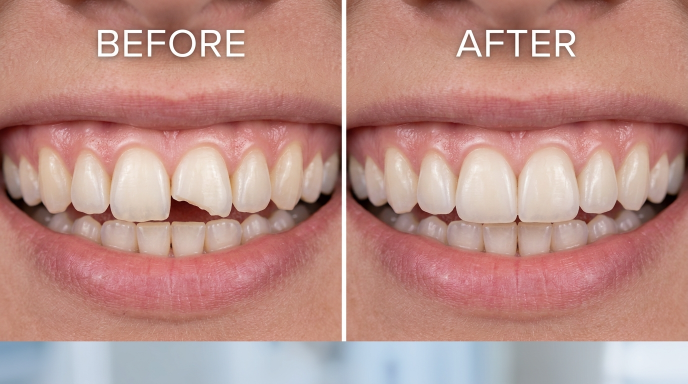
Teeth bonding has become one of the most popular cosmetic dental treatments for good reason. It solves real problems quickly, costs far less than most alternatives, and delivers results you can see the same day.
Fast Treatment
Most bonding work is completed in a single appointment. There are no lab fees, no impressions to send off, and no waiting days or weeks for a restoration to come back. You sit down, the dentist does the work, and you leave with a fixed tooth. For people with busy schedules, that convenience alone makes bonding stand out.
Natural Appearance
The composite resin is color-matched to your existing teeth before the procedure begins. Once it is shaped and polished, it blends in so well that most people cannot tell which tooth was treated. It reflects light similarly to natural enamel, which keeps the result looking real rather than artificial.
Minimally Invasive Procedure
Unlike veneers or crowns, bonding rarely requires removing healthy enamel. Your natural tooth stays mostly untouched. That matters because enamel does not grow back. The less of it that gets removed, the better your long-term dental health.
Improves Smile Confidence
This one is harder to measure but just as important. People who fix a chip, close a gap, or cover a stain they have been self-conscious about for years consistently report feeling more at ease when they smile. A small cosmetic change can have a real impact on how comfortable you feel in everyday conversations and social situations.
How Long Does Teeth Bonding Last?
On average, dental bonding lasts between 3 and 10 years. That is a wide range, and the reason is simple. How long it lasts depends almost entirely on where the bonding is placed and how well you take care of it. Bonding on front teeth tends to last longer because those teeth take less biting pressure. Bonding on back teeth wears down faster because molars handle most of the chewing force day after day.
Your daily habits play a big role too. People who avoid hard foods, skip the nail biting, and stay on top of their dental cleanings consistently get more years out of their bonding. People who grind their teeth at night, chew ice, or drink a lot of staining beverages without rinsing tend to see the resin chip or discolor much sooner.
Tips to Make Dental Bonding Last Longer
Brush gently with a non-abrasive toothpaste. Rinse your mouth after drinking staining beverages. Avoid biting your nails, chewing ice, or using your teeth as tools. Wear a mouthguard if you grind your teeth at night. Schedule regular dental cleanings every six months so your dentist can check the condition of the bonding and polish it if needed.
Teeth Bonding Before and After
The change people see after bonding is often more dramatic than they expected. A chipped front tooth looks whole again. A gap that used to catch their eye every time they smiled is gone. Teeth that looked dull or discolored suddenly matched the rest.
Realistic expectations matter here. Bonding looks natural, but it doesn’t look perfect under extreme lighting or magnification. It’s a cosmetic improvement, not a complete smile makeover. For major transformations, your dentist may recommend combining bonding with other treatments.
Teeth Bonding vs Veneers
Bonding and veneers can fix many of the same cosmetic issues, but they are very different in terms of cost, process, and longevity. Bonding is done entirely in the dental office in one visit, costs significantly less, and requires little to no removal of natural enamel. Veneers are custom-made porcelain shells fabricated in a lab, which makes them more expensive and time-consuming but also more durable and stain resistant over the long run.
For a single chipped tooth, a small gap, or a minor stain, bonding is the practical and budget-friendly option. For a complete smile overhaul that you want to last a decade or more with minimal upkeep, veneers make more sense. When in doubt, your dentist can assess your teeth and point you toward whichever option gives you the best result for your situation.
Teeth Bonding vs Braces
Bonding and veneers can fix many of the same cosmetic issues, but bonding is faster, less invasive, and much more affordable since it is done entirely in one dental visit without any lab work involved. Veneers are custom porcelain shells that take longer and cost more, but they last significantly longer and resist staining better than composite resin. If you have a minor fix needed on one or two teeth, bonding is the smarter choice. If you want a long-lasting full smile upgrade, veneers are worth the extra investment.
Can You Whiten Bonded Teeth?
Composite resin does not respond to whitening treatments. Bleaching agents work on natural enamel but have no effect on the bonding material. If you want to whiten your teeth, do it before getting bonded so your dentist can match the resin to your whitened shade. If existing bonding has stained and you want it lighter, the solution is to replace the bonded area with fresh resin that matches your current or desired tooth color.
How to Care for Bonded Teeth
Caring for bonded teeth comes down to simple daily habits. Brush with a soft toothbrush and non-abrasive toothpaste, floss daily, and rinse with water after coffee or wine to slow staining. Avoid chewing ice, biting your nails, or biting directly into hard foods, as these can chip the resin.
Regular dental visits are just as important. See your dentist every six months so they can polish the bonding and check for any early wear. If you grind your teeth at night, a night guard will protect the resin while you sleep.
Risks and Side Effects of Teeth Bonding
Bonding is low-risk, but there are a few things to be aware of. Some patients notice increased sensitivity to hot and cold temperatures in the first few days after treatment. This usually fades on its own. Chipping is possible, especially if you have habits that put stress on the bonded tooth.
Staining happens gradually over time. And at some point, every bonded tooth will need to be touched up or replaced as the resin ages. None of these are reasons to avoid the procedure. They’re just realistic outcomes to understand going in.
Ready to Fix Your Smile? Visit Valencia Dental Care in Mesa, AZ
If teeth bonding sounds like the right fit for you, the next step is simple. Valencia Dental Care serves patients across Gilbert AZ with experienced, affordable cosmetic dental care. Our team will assess your teeth, walk you through your options, and help you decide if bonding is the right choice for your smile. Book your appointment. Your smile is closer to where you want it than you think.
Conclusion
Teeth bonding is one of the most practical tools in cosmetic dentistry. It’s fast, it’s affordable, and it delivers real results without putting your teeth through an invasive process. For chips, gaps, stains, and minor shape issues, it’s often the smartest first step toward a smile you feel good about. The key is working with a skilled dentist who takes the time to match the resin carefully and shape it with precision.
The material can look remarkably natural when it’s done right. If you’ve been putting off fixing that small flaw because you assumed treatment would be expensive or complicated, now you know it doesn’t have to be.
Frequently Asked Questions
How long does dental bonding last?
Most bonding lasts between 3 and 10 years depending on the location, habits, and how well the teeth are cared for.
Can bonding fix gaps in teeth?
Yes. Dental bonding for gaps is a common and effective treatment, especially for small to moderate spaces between front teeth.
Is dental bonding permanent?
No. Bonding is a reversible, non-permanent treatment. The resin can be replaced or removed without damaging the natural tooth underneath.
Can bonded teeth stain?
Yes, composite resin can stain over time with exposure to coffee, tea, wine, and tobacco. Limiting these and rinsing after consumption helps slow the process.
Can you eat normally after bonding?
Yes, but it’s smart to avoid very hard or crunchy foods for the first 48 hours while the resin fully settles. After that, normal eating is fine with some mindfulness about high-pressure foods.