






The best way to keep teeth white is to prevent new stains before they build up. Brush twice a day with fluoride toothpaste, floss daily, rinse with water after coffee, tea, wine, or dark foods, avoid tobacco, and keep up with professional dental cleanings. Whitening toothpaste, strips, or professional whitening may help with existing stains, but consistent daily care is what helps maintain teeth whiteness over time.
At Valencia Dental Care in Mesa, AZ, we help patients understand how to keep teeth white and healthy without overusing whitening products. If you have sensitive teeth, crowns, veneers, fillings, worn enamel, or one tooth that has suddenly become darker, a dental exam can help determine which whitening or stain-removal option is appropriate.
This guide explains the best ways to keep your teeth white, what causes yellowing and stains, which foods and drinks can affect tooth color, how to maintain white teeth after whitening, and which whitening methods should be used carefully. You will also learn when discoloration may need professional dental care instead of another whitening product.
How to Keep Teeth White
To keep teeth white for longer:
- Brush twice daily with fluoride toothpaste.
- Floss once a day to remove plaque between teeth.
- Rinse with water after coffee, tea, wine, or dark foods.
- Limit smoking and tobacco use.
- Avoid brushing too hard.
- Attend regular dental cleanings.
- Use whitening products only as directed.
- Ask a dentist before whitening sensitive or damaged teeth.
No method can keep teeth perfectly white forever. Natural tooth color changes with age, food, drinks, and daily habits. The goal is to reduce new stains and maintain a healthy, natural-looking shade.
Why Do Teeth Lose Their Whiteness?
Teeth can become yellow, dull, or stained for several reasons. Some stains sit on the outer tooth surface, while others form deeper inside the tooth.
Surface stains often come from coffee, tea, red wine, tobacco, dark sauces, berries, and colored drinks. Plaque and tartar can also make teeth look dull. These stains may improve with better cleaning, professional polishing, whitening toothpaste, or bleaching products.
Teeth also change with age. The outer enamel can slowly become thinner, which allows more of the yellow dentin under it to show. This does not always mean the teeth are unhealthy.
Some deep stains come from tooth injury, certain medicines, tooth development, or changes inside a tooth. These stains may not respond well to store-bought whitening. One dark tooth should be examined before you try to whiten it repeatedly.
How to Keep Teeth White With Daily Oral Care

Your daily routine has a major effect on how clean and bright your teeth look. Good oral care removes plaque before it collects more stain.
Brush Twice a Day
Brush for about two minutes in the morning and before bed. Use a soft-bristled toothbrush and fluoride toothpaste.
Move the brush gently across the front, back, and chewing surfaces of each tooth. Pay attention to the gumline, where plaque often collects. Brushing too hard does not make teeth whiter. It may wear the enamel and cause gum recession, which can make the teeth look more yellow and feel more sensitive.
An electric toothbrush may help some people clean more evenly, but a manual brush can also work well when used correctly.
Floss Every Day
A toothbrush cannot fully clean the tight spaces between teeth. Plaque and food left in these areas can make the smile look darker and may increase the risk of gum problems.
Floss once a day or use another between-the-teeth cleaner recommended by your dentist. Clean the sides between every tooth, including the back teeth.
Whiter front surfaces will not look as bright if dark plaque remains between the teeth. Daily flossing helps the color look cleaner and more even.
Choose the Right Toothpaste
A fluoride toothpaste is a good daily choice because fluoride helps protect the tooth surface. Whitening toothpaste may remove some surface stains, but it does not change deep tooth color like peroxide-based bleaching.
Some whitening toothpastes are more abrasive than regular toothpaste. Using a harsh product too often or brushing with heavy pressure may increase sensitivity or surface wear.
If your teeth are sensitive, choose a toothpaste made for sensitivity and ask your dentist whether a whitening version is suitable. A gentle product used consistently is often better than a strong product used too aggressively.
Foods and Drinks That Can Stain Teeth

Many dark or strongly colored foods and drinks can leave stains over time. You do not always need to avoid them completely, but small changes can reduce how long they stay on your teeth.
Common stain-causing choices include:
- Coffee
- Black tea
- Red wine
- Cola
- Dark sports and energy drinks
- Berries
- Tomato sauce
- Soy sauce
- Curry
- Tobacco
The color of a food is not the only issue. Acidic drinks can soften the tooth surface for a short time, making it easier for color to settle.
Rinse With Water
Drink or rinse with plain water after coffee, tea, wine, dark juice, and strongly colored foods. Water helps wash away some pigment and acid. You do not need to brush the moment you finish every drink. In fact, brushing right after something acidic may rub the softened surface. Rinse first and wait before brushing.
Do Not Sip Dark Drinks for Hours
Slowly sipping coffee or tea over a long period keeps the teeth exposed to color and acid. Try to finish the drink within a shorter time instead of taking small sips all morning. Drinking water afterward can help clear the mouth.
Avoid Tobacco to Keep Teeth White
Smoking and chewing tobacco can cause yellow or brown tooth stains that may become difficult to remove at home. Tobacco also raises the risk of gum disease and other oral health problems. Stopping use can support both the appearance and health of your smile. Professional cleaning may remove some surface tobacco stain, while deeper discoloration may need whitening or another cosmetic treatment.
Keep Up With Professional Dental Cleanings
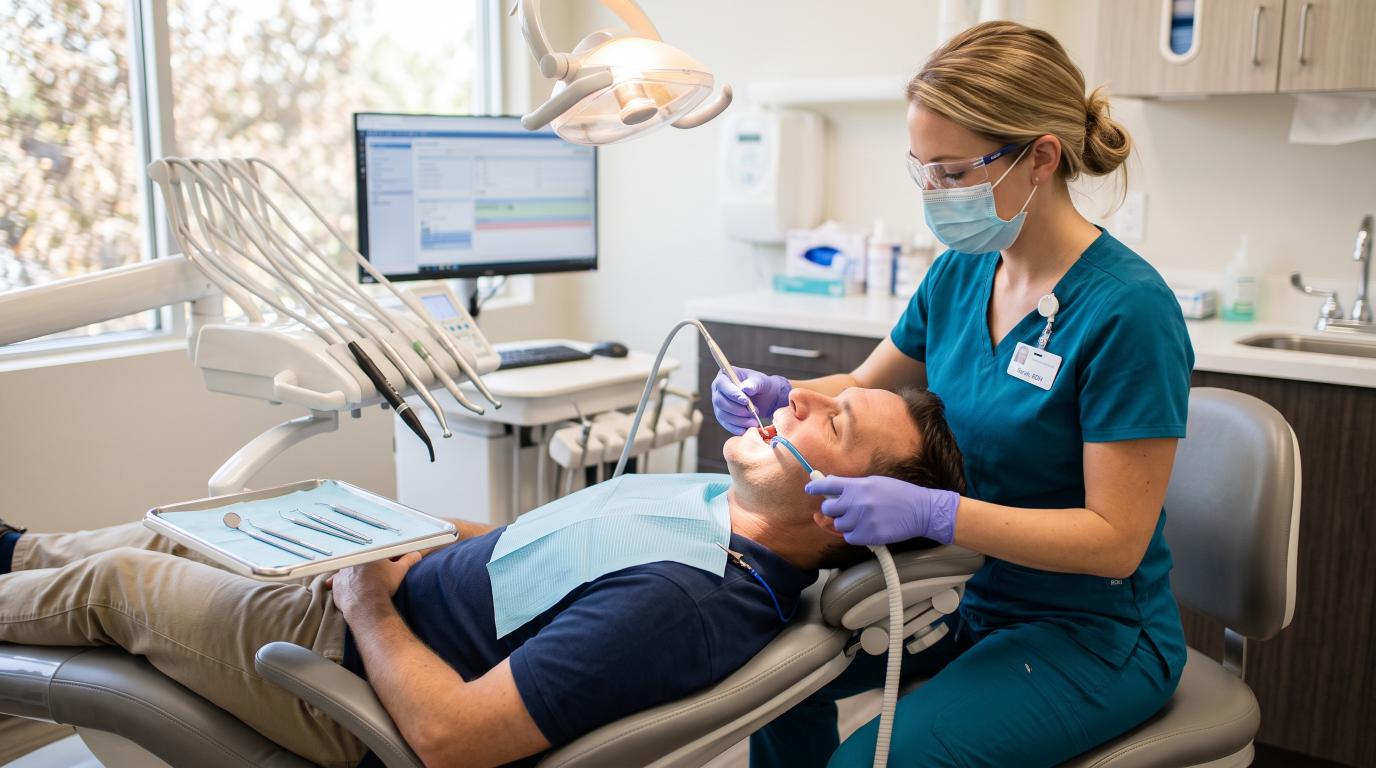
Even careful brushing cannot always remove every stain or hardened tartar deposit. Professional cleanings remove plaque and tartar that home tools cannot safely remove.
A cleaning may make the teeth look brighter by removing surface buildup. However, cleaning is not the same as whitening. It restores a cleaner natural appearance but does not bleach the inner tooth color.
Regular dental visits also allow your dentist to check for cavities, cracked teeth, gum disease, and worn enamel. These problems should be treated before cosmetic whitening when needed.
How to Keep Teeth White After Whitening Treatment
Whitening results can fade because teeth continue to collect new stains. The first days after whitening may also be a time when the teeth feel more sensitive.
Follow the exact aftercare instructions from your dentist or product. Keep brushing gently, floss daily, and avoid using several whitening products at the same time.
Try to limit dark drinks and tobacco, especially soon after treatment. Rinse with water when you do have coffee, tea, wine, or dark foods.
Touch-up treatment may help some people maintain results, but it should not be used too often. The right schedule depends on the product, your sensitivity, dental work, and starting tooth color.
Do Whitening Strips Help Maintain White Teeth?
Whitening strips can help maintain white teeth by reducing stains on natural tooth enamel. They are most useful as an occasional whitening or touch-up option rather than something you need to use continuously.
Most whitening strips contain peroxide and may cause temporary tooth sensitivity or gum irritation. Follow the product directions carefully, and do not leave strips on longer or use them more often than recommended. Keep in mind that whitening strips do not change the color of crowns, veneers, fillings, or bonding.
Professional Whitening vs. At-Home Whitening
Both professional and at-home whitening can help brighten natural teeth, but the right choice depends on your stain type, sensitivity, oral health, and desired results.
Professional whitening is performed under dental supervision and allows the treatment to be adjusted based on your teeth and gums. At-home products usually work more gradually and may be suitable for mild discoloration when used correctly.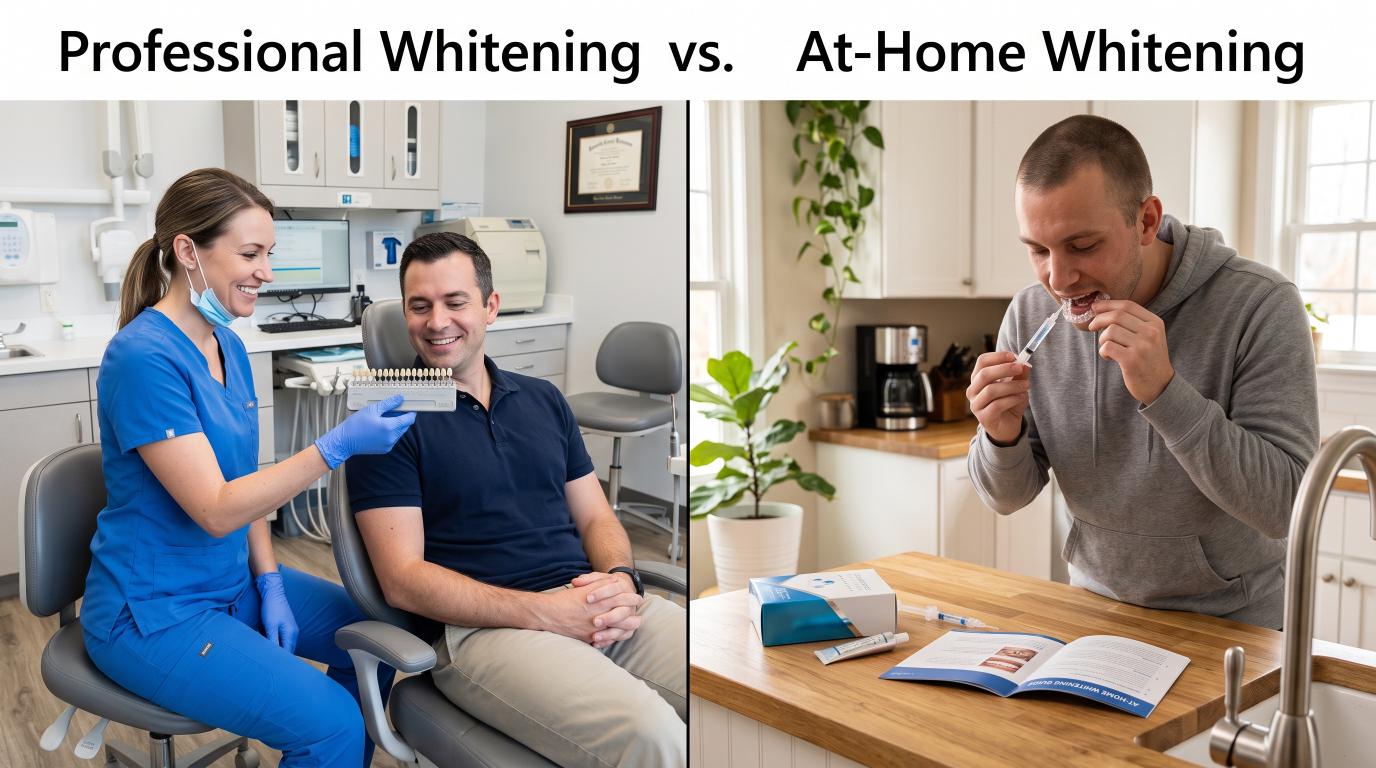
| Factor | Professional Whitening | At-Home Whitening |
|---|---|---|
| Speed | Usually faster | Usually more gradual |
| Supervision | Managed by a dental professional | Mostly self-directed |
| Treatment strength | Selected for your treatment plan | Varies by product |
| Gum protection | Managed during treatment | Depends on proper use |
| Best for | Controlled whitening and more noticeable results | Mild stains and gradual whitening |
| Sensitivity management | Treatment can be adjusted | Limited to product instructions |
Neither method keeps teeth permanently white. Brushing, flossing, reducing exposure to stain-causing foods and drinks, and regular dental cleanings still play the biggest role in maintaining whitening results.
Mistakes That Can Make Teeth Look Duller
Brushing too hard, skipping flossing, and allowing plaque or tartar to build up can make teeth look darker or less even. Using abrasive powders, charcoal products, or harsh whitening toothpaste too often may also wear the enamel surface. As enamel becomes thinner, more of the naturally yellow dentin underneath may show.
Another common mistake is using several whitening products at the same time or leaving strips and trays on longer than directed. This can increase sensitivity and irritate the gums without producing better results. Sipping coffee, tea, or dark drinks for hours and failing to rinse afterward can also allow new stains to collect more quickly.
Can Dental Work Be Kept White?
Crowns, veneers, fillings, bridges, implants, and bonding do not whiten like natural teeth. Their color is chosen when the material is made or placed.
Daily brushing, flossing, and professional cleaning can help keep these materials free from surface buildup. However, they may still need polishing, repair, or replacement if they become stained, damaged, or no longer match nearby teeth.
If you plan to whiten before getting a new front restoration, speak with your dentist. Whitening first may help the new restoration match your preferred tooth shade.
When Whitening Should Wait
Whitening should wait if you have untreated dental problems or a sudden change in tooth color. Whitening changes appearance, but it does not treat the cause of pain, decay, damaged teeth, or gum problems.
Schedule a dental examination before whitening if you have:
- Tooth pain or strong sensitivity
- A tooth that suddenly becomes darker
- Cavities or broken teeth
- Bleeding or swollen gums
- Exposed tooth roots
- Cracked teeth
- Loose or damaged fillings
- Persistent irritation after using a whitening product
A dentist can identify what is causing the problem and determine whether whitening is appropriate after your oral health has been addressed.
Keep Your Smile Bright in Mesa, AZ
If you want personalized guidance on how to keep teeth white while protecting your enamel and gums, Valencia Dental Care in Mesa, AZ can help. We can evaluate the type of staining, check existing dental work, and discuss professional or at-home whitening options based on your smile.
Schedule a consultation with Valencia Dental Care in Mesa, AZ to find out which whitening and maintenance approach may work best for you.
Conclusion
Knowing how to keep teeth white comes down mainly to preventing stains and maintaining good oral health. Brush twice daily with fluoride toothpaste, floss every day, rinse with water after dark foods and drinks, avoid tobacco, and have your teeth professionally cleaned as recommended. These habits are among the best ways to maintain white teeth while also keeping them healthy.
If stains remain, whitening toothpaste, whitening strips, at-home trays, or professional whitening may help depending on the type of discoloration. Use whitening products only as directed because overuse can increase tooth sensitivity and irritate the gums. Crowns, veneers, bonding, fillings, and other restorations also do not whiten in the same way as natural teeth.
Maintaining teeth whiteness does not mean avoiding every cup of coffee or repeatedly bleaching your teeth. Consistent oral care, reducing how long staining foods and drinks contact your teeth, and choosing whitening methods that suit your oral health can help your smile stay brighter for longer.
Frequently Asked Questions
How Can I Keep My Teeth White Every Day?
Brush twice daily with fluoride toothpaste, floss once a day, and rinse with water after dark foods and drinks. Limiting tobacco and reducing how long coffee, tea, and other staining drinks contact your teeth can also help. Regular dental cleanings remove buildup that brushing cannot remove at home.
What Is the Best Way to Keep Teeth White?
The best way to keep teeth white is to prevent new stains through consistent oral care. Brush and floss daily, rinse after stain-causing drinks, avoid tobacco, and keep up with professional dental cleanings. Whitening products can help with remaining discoloration but should support, not replace, these habits.
Does Coffee Always Stain Teeth?
Coffee can gradually stain teeth, especially when it is consumed frequently or sipped for long periods. You do not necessarily have to stop drinking coffee. Drinking it within a shorter period, rinsing with water afterward, and maintaining good oral hygiene can help reduce staining.
How Can I Keep My Teeth Naturally White?
Keeping teeth naturally white starts with controlling plaque and surface stains. Brush gently twice a day, floss daily, drink water after dark foods and beverages, avoid tobacco, and have your teeth professionally cleaned as recommended. Avoid harsh DIY whitening methods that may damage enamel.
What Is the Safest Way to Whiten Teeth at Home?
Choose a whitening product that is appropriate for your oral health and use it exactly as directed. Whitening toothpaste may reduce surface stains, while whitening strips or trays may lighten natural tooth color. Avoid combining multiple whitening products or extending treatment times in an attempt to get faster results.
Why Do My Teeth Turn Yellow Even Though I Brush?
Teeth can appear yellow because of natural dentin color, aging, enamel thinning, tartar, or stains that brushing cannot remove. Brushing helps control plaque and surface buildup but cannot change every type of discoloration. A dentist can determine whether cleaning, whitening, or another treatment may help.
How Long Can Teeth Stay White After Whitening?
Whitening results vary from person to person and gradually fade as new stains develop. Coffee, tea, wine, tobacco, and other strongly colored foods and drinks can make discoloration return sooner. Good daily oral care, regular cleanings, and appropriate touch-ups can help maintain teeth whiteness for longer.