




Dental implants usually do not cause sharp pain during surgery because local anesthesia numbs the treatment area. So, do dental implants hurt? Most people feel pressure or vibrations during placement rather than pain. After surgery, mild soreness, swelling, and tenderness are common for a few days. The discomfort should gradually improve as the gums heal.
At Valencia Dental Care in Mesa, AZ, we understand that worries about pain can make dental treatment stressful. Knowing what to expect before, during, and after implant placement can help you prepare. Your recovery will depend on the number of implants, the type of treatment, and how your body heals.
What Does Getting a Dental Implant Feel Like?
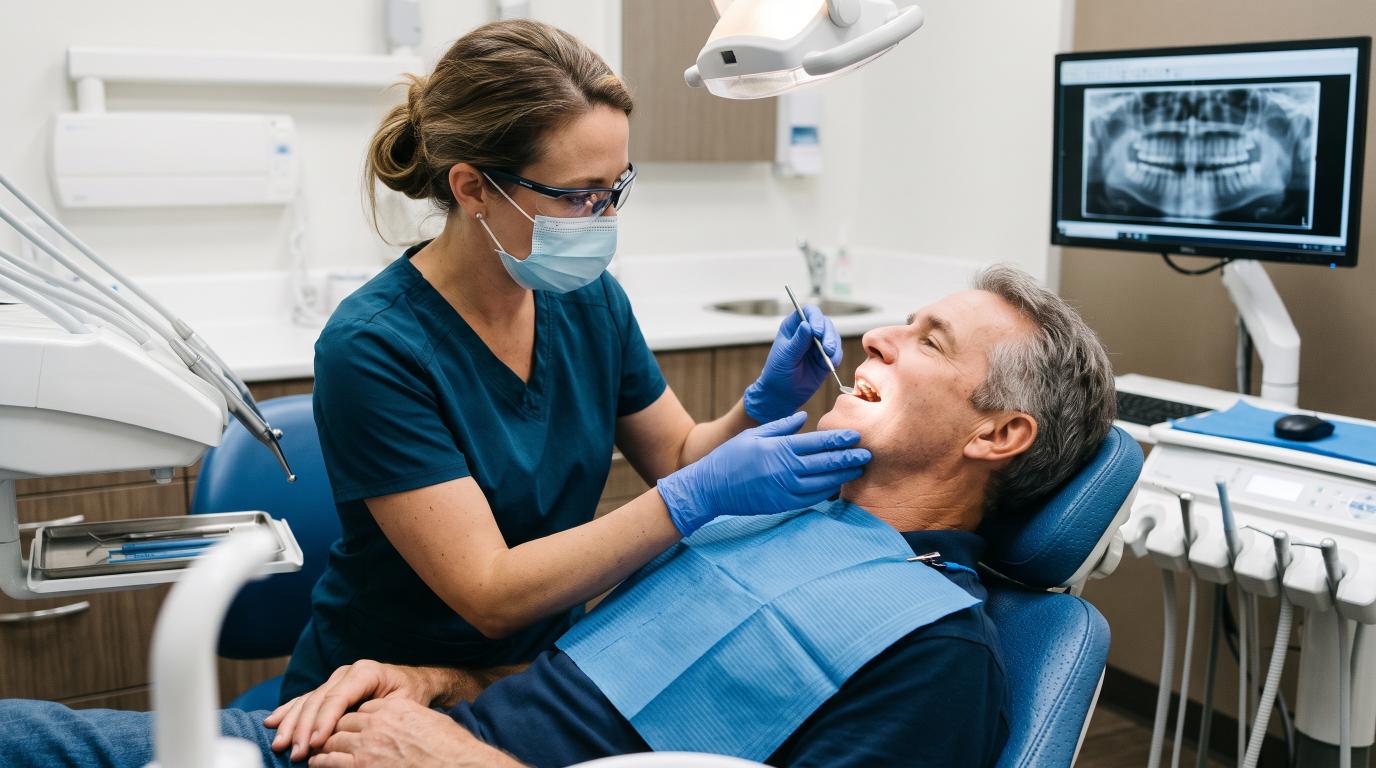
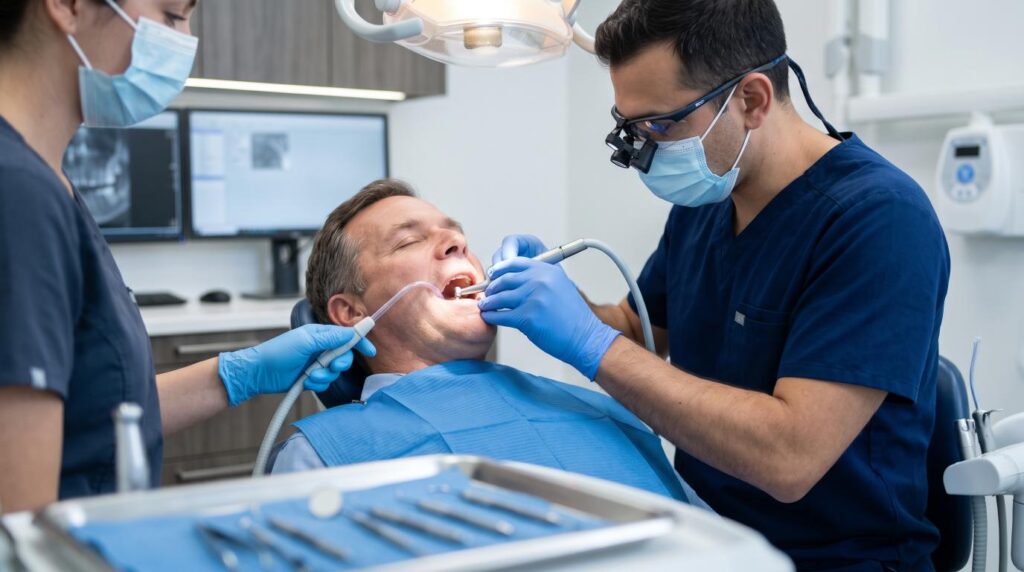
Getting a dental implant usually feels like pressure or movement in your jaw rather than sharp pain. Your dentist uses local anesthesia to numb the gums and nearby tissues before placing the implant. Although you remain aware of the procedure, the anesthesia helps prevent painful sensations.
A clinical study involving 366 dental implant patients found that 78.7% reported no or mild pain during surgery. However, some patients experienced more discomfort, showing why proper anesthesia and communication with your dentist matter.
What Does the Numbing Injection Feel Like?
Before treatment, your dentist injects a local anesthetic near the surgical area. You may feel a small pinch or brief burning sensation as the medicine enters the gums. After a few minutes, the area becomes numb. Your dentist checks the anesthesia before starting and can provide more if needed.
Will You Feel Pressure or Vibrations During Surgery?
You may notice pushing, movement, or vibrations as your dentist prepares the jawbone and places the implant. These sensations happen because local anesthesia blocks pain signals without removing every feeling of pressure. If you experience sharp pain, tell your dentist immediately rather than trying to tolerate it.
What Happens When the Anesthesia Wears Off?
As the numbing medicine wears off, feeling returns to your gums, lips, and nearby tissues. You may notice a dull ache or tenderness around the treatment area. Your dentist will explain how to use the recommended pain medicine and what symptoms to expect as healing begins.
How Painful Is Dental Implant Recovery?

Dental implant recovery usually involves mild to moderate discomfort that improves over several days. The gums and nearby tissues need time to heal after surgery, so temporary swelling, tenderness, and jaw stiffness are expected. The discomfort is generally strongest early in recovery rather than throughout the entire healing process.
The American Association of Oral and Maxillofacial Surgeons explains that some discomfort, bruising, and swelling are normal after implant placement. Healing varies, but most patients can expect symptoms to become more manageable with time.
What to Expect During the First 24 Hours
During the first day, you may notice mild bleeding, soreness, and swelling near the implant. A small amount of blood in your saliva can be normal. As the anesthesia fades, the treatment area may feel tender. Follow your dentist’s instructions for protecting the surgical site and controlling discomfort.
What Happens During the Next 48–72 Hours?
Swelling can become more noticeable during the second or third day. Your cheek may feel puffy, and opening your mouth widely may be uncomfortable. Mild bruising or jaw stiffness can also occur. These symptoms should remain manageable and begin improving rather than becoming increasingly severe.
When Should You Start Feeling Better?
Many patients feel noticeably better within several days, although mild tenderness may continue for one to two weeks.
The following table shows a general healing pattern.
|
Recovery period |
What to expect |
|
First 24 hours |
Soreness, mild bleeding, and early swelling |
| Days 2–3 |
Swelling and tenderness may become more noticeable |
|
Days 4–7 |
Pain and swelling usually begin to improve |
|
Weeks 1–2 |
Gums continue healing, with less tenderness |
| Following months |
The implant gradually bonds with the jawbone |
Even after your gums feel normal, the implant needs additional time to bond with the surrounding bone. This process is called osseointegration and usually takes several months.
What Factors Can Affect Dental Implant Pain?
The amount of pain after dental implant surgery depends on the complexity of treatment and your body’s healing response. Some people recover comfortably after a single implant, while others experience greater tenderness after more extensive procedures. Longer surgery, additional bone treatment, and individual pain sensitivity can all affect the experience.
Understanding these factors helps your dentist plan treatment and explain what recovery may involve.
One Implant vs. Multiple Implants
A single implant usually involves a smaller treatment area than several implants placed during one appointment. In a study of 137 dental implant patients, researchers found that longer procedures were associated with greater postoperative pain. The number of implants was also linked with pain in an initial analysis, although it was not an independent predictor after further analysis.
Bone Grafting and Additional Surgical Procedures
Some patients need bone grafting when their jawbone lacks enough support for an implant. This adds another treatment area that needs to heal and may increase swelling or discomfort. Your dentist may recommend ridge augmentation to rebuild part of the jawbone before placing an implant.
Individual Healing and Pain Sensitivity
People have different pain thresholds and healing responses. Your medical history, inflammation, and overall oral health may influence recovery. Stress can also make dental treatment feel more difficult. Tell your dentist about previous painful experiences or concerns so they can discuss appropriate comfort options.
How to Manage Pain After Dental Implant Surgery

You can manage much of the expected discomfort after dental implant surgery by following your dentist’s instructions and protecting the treatment area. Pain medicine, cold compresses, soft foods, and gentle oral care can help make healing more comfortable. The goal is to control discomfort without disturbing the gum tissue or placing unnecessary pressure on the new implant.
Follow Your Dentist’s Pain Relief Instructions
Your dentist may recommend medications such as ibuprofen or acetaminophen, depending on your health and treatment. The American Dental Association’s guidance on acute dental pain supports nonopioid medications for many dental pain conditions, especially after tooth extractions. Implant patients should follow their own surgeon’s medication plan. Never exceed the recommended dose or combine medicines without appropriate guidance.
Use Cold Compresses to Help With Swelling
Applying a cold compress to the outside of your cheek can help reduce swelling and ease discomfort. Wrap the cold pack in a towel to protect your skin. Use it for short periods with breaks between applications, following your dentist’s instructions. Avoid putting pressure directly on the treated area.
Choose Foods That Are Easy to Chew
Soft foods reduce chewing pressure and help protect healing gums. Try yogurt, scrambled eggs, mashed potatoes, oatmeal, or lukewarm soup. Avoid hard, crunchy, or sticky foods until your dentist says they are safe. Nutritious meals and enough fluids also support your body’s healing process.
Maintain Oral Hygiene Without Disturbing the Surgical Site
Keeping your mouth clean helps lower the risk of infection, but the surgical area requires gentle care. Brush your other teeth as usual and follow your dentist’s instructions for cleaning near the implant. Avoid poking the wound with your fingers or tongue. Use any recommended mouth rinse exactly as directed.
Rest and Avoid Strenuous Activities
Rest allows your body to recover without added stress on the surgical area. Heavy lifting, intense exercise, and other strenuous activities may increase swelling or bleeding. Ask your dentist when you can safely resume them. Smoking or using nicotine can also interfere with healing and increase the risk of complications.
Dental implant recovery checklist
- Take approved pain medicine as instructed.
- Apply cold compresses when recommended.
- Eat soft foods and drink enough water.
- Clean your mouth gently.
- Avoid smoking and unnecessary pressure on the implant.
- Attend your scheduled follow-up appointments.
What Can You Do After Dental Implant Surgery?
Most people can return to light daily activities soon after dental implant surgery, but they may need temporary changes to eating, sleeping, and working. The goal is to protect the surgical area while maintaining normal routines as comfortably as possible. Your dentist’s instructions may differ depending on the location of the implant, the number placed, and whether additional treatment was performed.
Sleeping Comfortably During Recovery
Sleeping with your head slightly elevated may help limit swelling. If you prefer sleeping on your side, avoid placing pressure on the treated side of your face while it is tender. Choose a comfortable sleeping position that does not disturb the surgical area.
Talking and Returning to Work
Talking may feel slightly uncomfortable if your jaw is stiff or swollen, but this should improve as the tissues heal. Some patients return to desk work within one or two days. People with physically demanding jobs or those who received extensive treatment may need additional time. Avoid driving while impaired by sedation or certain medications.
When Is Dental Implant Pain a Warning Sign?
Dental implant pain becomes concerning when it is severe, continues getting worse, or appears with unusual symptoms. Normal healing discomfort should gradually decrease as the gums and surrounding tissues recover. Increasing pain, persistent bleeding, fever, or worsening swelling may indicate a complication that needs professional attention.
It is important to pay attention to changes in your symptoms rather than waiting for the discomfort to go away on its own. If pain suddenly increases after you have started feeling better, or if swelling makes it difficult to eat or open your mouth, contact your dentist for an evaluation. Early treatment can help prevent complications and protect the healing implant.
Pain That Gets Worse Instead of Better
Pain that increases after initially improving should be checked. Possible causes include irritation, infection, or a problem with the surgical site. Do not assume severe pain is a normal part of healing or attempt to manage worsening symptoms with additional medication alone.
Persistent Swelling, Bleeding, or Signs of Infection
Contact your dentist if swelling continues increasing, bleeding does not stop with recommended care, or you notice pus or an unpleasant taste. Fever, worsening redness, and severe throbbing pain also require attention. Seek emergency medical care if facial swelling makes breathing or swallowing difficult.
Numbness or Tingling That Does Not Improve
Numbness is expected while local anesthesia is working. However, an unusual loss of feeling that continues beyond the expected period may need evaluation. Persistent tingling, burning, or numbness in the lip, tongue, or chin can sometimes involve nerve irritation or injury. Contact your surgeon promptly if these symptoms develop or fail to improve.
Can Facial Pain After Implant Placement Have Another Cause?
Unusual facial pain can sometimes come from nearby teeth, jaw muscles, sinus conditions, or irritated nerves rather than the implant itself. A review of sensory changes related to dental implant placement describes possible nerve-related symptoms following surgery. Burning pain, electric-shock sensations, or persistent facial discomfort are not typical recovery symptoms and should be examined.
Can Dental Implants Hurt After They Have Healed?
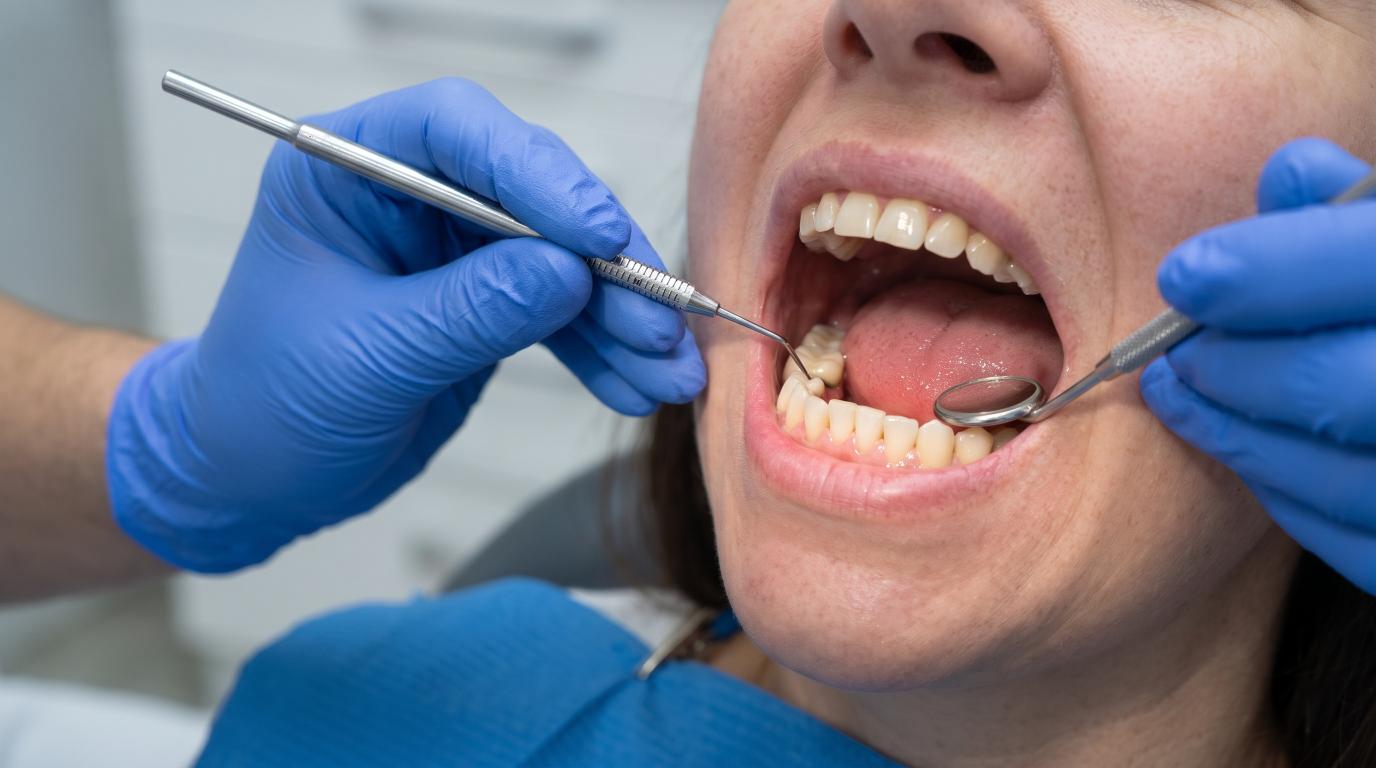
A fully healed dental implant should normally feel comfortable when eating, speaking, and chewing. The implant itself does not contain the nerves found inside natural teeth, but the gums, jawbone, and surrounding tissues can still become painful. If discomfort starts months or years after placement, it may indicate inflammation, excessive biting pressure, or another problem that needs treatment.
Gum Inflammation Around the Implant
Plaque can collect around an implant and irritate the surrounding gums. This early inflammation is called peri-implant mucositis. Common signs include redness, swelling, and bleeding when brushing. Treating inflammation early can help prevent it from progressing to a more serious condition.
Implant Infection and Other Possible Complications
When inflammation affects the supporting bone, it may develop into peri-implantitis. According to the American Academy of Periodontology, peri-implantitis involves inflammation and loss of the bone supporting a dental implant. Other possible sources of pain include loose restorations, excessive biting forces, and problems with nearby teeth.
When to Have a Healed Implant Checked
Schedule a dental examination if you notice pain while chewing, bleeding gums, swelling, or movement around a previously comfortable implant. Your dentist may examine the gums, check your bite, and use X-rays to identify the problem. Early diagnosis can help prevent further damage and improve the chances of protecting the implant.
Conclusion
Dental implants can be a worthwhile option for replacing missing teeth because they provide stable support for replacement teeth and help restore chewing function. If you are wondering, do dental implants hurt, remember that local anesthesia helps prevent pain during placement. Temporary soreness after surgery is common, but it generally improves within several days. The benefits and risks depend on your oral health, treatment needs, and healing ability. A dental consultation can help you understand whether implants are suitable for you.
Ready to Discuss Dental Implant Treatment?
Missing teeth can make everyday activities like eating and smiling more difficult. If you are worried about dental implant pain, understanding the treatment process can help you make a more informed decision. At Valencia Dental Care in Mesa, AZ, our dental team can evaluate your oral health, answer your questions, and explain what to expect from dental implant treatment. Contact Valencia Dental Care to schedule a consultation and discuss your tooth replacement options.
Frequently Asked Questions
Do dental implants hurt more than tooth extractions?
Not necessarily. Many people find dental implant surgery no more uncomfortable than a tooth extraction. Local anesthesia helps prevent pain during both procedures. However, recovery discomfort depends on the complexity of treatment, the number of implants, and how your body heals.
How long does dental implant pain usually last?
Mild soreness usually lasts a few days and gradually improves within the first week. Some tenderness may continue for one to two weeks, especially after complex surgery. Contact your dentist if the pain becomes worse or does not improve.
Can you feel the implant being placed in your jawbone?
You may feel pressure or vibrations during implant placement, but local anesthesia should prevent sharp pain. Your dentist will check that the area is numb before starting. If you experience pain during the procedure, let your dentist know immediately.
Can you sleep on your side after dental implant surgery?
Yes, but avoid sleeping directly on the side where the implant was placed if it causes pressure or discomfort. Keeping your head slightly elevated may help reduce swelling. Follow your dentist’s instructions for a comfortable recovery.
When can you return to work after getting dental implants?
Many patients can return to light work within one or two days after dental implant surgery. However, physically demanding jobs or more complex procedures may require additional rest. Your dentist can help you decide when it is safe to return.
Why does my dental implant hurt months after surgery?
Pain months after dental implant surgery is not normal and may indicate gum inflammation, infection, excessive biting pressure, or a loose restoration. If your implant starts hurting after healing, schedule a dental examination to identify the cause and prevent further complications.