
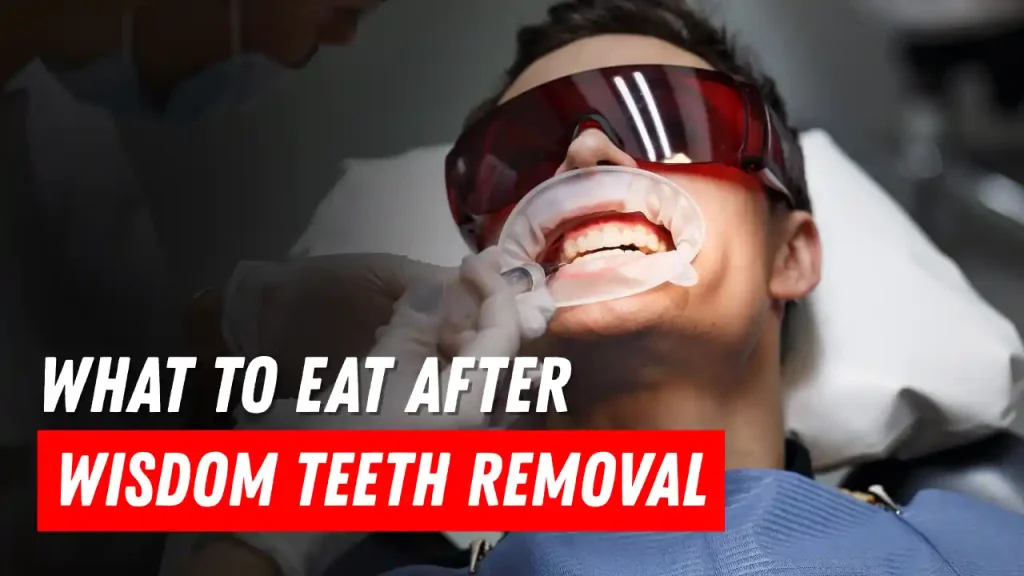


Getting your wisdom teeth removed is one of the most common dental treatments. You make an appointment, visit the dentist, and in about one or two hours, those problem teeth are taken out. After the procedure, the tricky part is deciding what to eat after wisdom teeth removal without hurting your healing mouth.
Your mouth just went through trauma. The teeth extraction sites are healing, and hard, crunchy, or hot foods can damage stitches, dislodge blood clots, or irritate the wounds. Even a small mistake can slow recovery or cause complications like dry socket. The tooth extraction sites need time to heal. You cannot bite into a burger or chew crunchy chips right away. This guide explains what you can eat during recovery and what foods you should avoid.
Foods to Eat After Wisdom Teeth Removal: Complete Guide
After wisdom teeth removal, choosing the wrong foods can slow healing or cause painful complications. Crunchy, chewy, and spicy foods may damage stitches or disturb blood clots. This guide explains which foods you should eat and which ones to avoid so your recovery stays smooth and safe.
The First Two Days: Liquid and Smooth Options
The first 48 hours are very important. Your mouth is very sensitive, and swelling is at its worst. The blood clots are fresh and fragile. Stick to foods that do not require chewing. Smoothies are a great option. Blend banana with yogurt and add protein powder. You can also add spinach for extra nutrients. Avoid using a straw because the sucking motion can dislodge the blood clots.
Applesauce is easy to eat. It is naturally soft and will not irritate the wounds. Keep some in your fridge. Greek yogurt is another good choice because it provides protein without making your jaw work. Choose plain yogurt to avoid extra sugar that could sting the extraction sites.
Soups are very comforting during this time. Chicken or vegetable soup provides hydration and some nutrition. Let it cool so it is just warm before drinking, because hot liquids can harm the healing blood clot. Add only a small amount of spices because strong ones can hurt your mouth.
Ice cream feels good on swollen tissue. The cold reduces inflammation. Pick smooth flavors without chunks or nuts. Soft desserts like jelly and custard are also easy to eat like ice cream. They’re not nutritious powerhouses, but they help you get through those rough first days.
Protein shakes deserve special mention. Your body needs protein to heal wounds and fight infection. Mix protein powder with milk or a milk alternative. Add a banana for thickness. These keep you full longer than simple carbs.
Days Three Through Seven: Adding Substance
You will start feeling better around the third day. The strong pain goes away, and you can open your mouth more easily. This is the time to try foods that are a little thicker. Mashed potatoes are a great choice. They are filling and easy to swallow. You can add butter or sour cream for extra calories. Your body needs more energy while healing, so the fat is okay right now. Instant mashed potatoes are fine if you don’t feel like cooking.
Scrambled eggs offer complete protein in a soft package. Cook them gently until they’re fluffy and moist. Avoid making them dry or rubbery. Add a bit of cheese if you want more flavor. Eggs for breakfast, lunch, or dinner all work during recovery.
Oatmeal provides staying power. Cook it longer than usual to make it extra soft. Let it cool down before eating. Steel-cut oats might be too chewy, so stick with rolled or instant varieties. Mix in mashed banana or a spoonful of nut butter for added nutrition.
Well-cooked pasta is a good choice now. Macaroni and cheese are popular foods for recovery. The pasta should be very soft, not firm. Butter or cream sauces are better than tomato sauce because tomatoes can be acidic and hurt your mouth. Small pasta shapes are easier to eat than long noodles.
Cottage cheese and ricotta are easy to eat because they do not need chewing. They give you protein and calcium. You can eat them plain or mix them with mashed fruit. The soft texture is gentle on your healing mouth. Refried beans or smooth hummus are good plant-based protein choices. Make sure they are completely smooth with no chunks or whole beans. You can spread hummus on very soft bread or eat it straight from the container.
Overripe bananas are perfect right now. The softer, the better. Brown spots on the peel mean the inside will be mushy and sweet. Mash them up if they’re not quite soft enough. Avocado works the same way when it’s perfectly ripe.
Week Two: Getting Back to Normal
Most people can handle regular foods by the second week. The extraction sites have closed up significantly. Discomfort is minimal. You’re ready to expand your diet. Start with soft breads. Remove the crusts if they’re too hard. Pancakes and waffles go down easily, especially with syrup to keep them moist. French toast works well too.
Cooked vegetables can be eaten again. Steam or boil them until they are soft. Carrots, green beans, and squash are good choices. Avoid raw vegetables for now because they are too hard and crunchy. Fish is soft and healthy. Salmon, tilapia, and cod break apart easily. Bake or poach them and avoid crispy coatings. The healthy fats in fish help your mouth heal and reduce swelling.
Soft ground meat is okay to eat now. Try meatloaf or well-cooked ground beef in pasta sauce. Make sure the meat is moist and soft. Dry or tough meat is still not good. Soft pasta dishes with different sauces are also good. You don’t have to stick to butter anymore. You can try alfredo, carbonara, or mild tomato sauce. Just avoid foods that are too spicy or acidic.
Top Foods That May Cause Problems After Wisdom Teeth Removal
Some foods should be avoided while your mouth is healing. They can cause pain, get stuck in the extraction sites, or disturb the blood clots. Crunchy foods are the worst. Chips can tear the healing tissue, and crackers leave crumbs that get stuck in the wounds. Nuts and seeds are not safe, and popcorn kernels can get stuck and cause infections. Even granola is too hard to eat right now.
Chewy foods are hard on your jaw. Avoid gum, bagels, and tough meats like jerky because they can hurt your mouth. Sticky foods like caramel and taffy are also a bad idea. Spicy foods can irritate your healing wounds. Hot sauce, curry, and strongly seasoned dishes can cause real pain on raw tissue.
Acidic foods sting extraction sites. Oranges, lemons, and other citrus fruits are problematic. Tomatoes and tomato-based products can hurt. Vinegar in salad dressings causes discomfort. Wait until you’re fully healed before enjoying these again. Very hot foods and drinks pose multiple risks. They can burn sensitive tissue. The heat might dissolve protective blood clots. Let everything cool to lukewarm or room temperature.
Alcohol interferes with healing. It thins your blood and interacts with pain medications. Beer, wine, and spirits are all off-limits for at least a week. Carbonated drinks create pressure in your mouth. The fizzing action can dislodge clots. This includes soda, sparkling water, and beer.
Smart Eating Strategies During Recovery
Skip the straw for all drinks. The suction creates negative pressure that pulls at blood clots. Sip directly from a cup or use a spoon for thicker liquids. Chew on the opposite side of your mouth when possible. This protects the extraction sites from pressure and food contact. It might feel awkward at first, but you’ll get used to it.
Take smaller bites than normal. Even with soft foods, smaller portions are easier to manage. You won’t have to open your mouth as wide. Drink plenty of water throughout the day. Hydration supports every aspect of healing. Sip it slowly rather than gulping. Room temperature water is most comfortable.
Rinse gently after eating. Wait until 24 hours post-surgery, then use warm salt water. Mix half a teaspoon of salt in a cup of water. Swish it gently around your mouth. Don’t swish vigorously or spit forcefully. Eat regular meals even if you’re not hungry. Skipping meals slows down recovery. Your body needs consistent fuel. Set reminders if necessary.
Sample Daily Menus
On day one, you can have a protein smoothie for breakfast, cooled vegetable soup for lunch, and mashed potatoes with gravy for dinner. Snack on yogurt and pudding. On day four, try cream of wheat with mashed banana for breakfast, macaroni and cheese for lunch, and scrambled eggs with cottage cheese for dinner.
Keep smoothies and ice cream for snacks. On day seven, you can eat oatmeal with protein powder for breakfast, soft pasta with butter sauce for lunch, and ground turkey with mashed sweet potato for dinner. Soft fruits and hummus are good snacks.
Boosting Nutrition During Limited Eating
Add protein powder to as many foods as you can. Mix it into oatmeal, smoothies, or mashed potatoes. This helps make up for the protein you are not getting from meat.
Choose full-fat dairy products because the extra calories give you energy while your body heals. If your diet is not enough, take vitamins. A multivitamin gives you basic nutrients. Vitamin C helps repair tissue, and zinc helps your wounds heal faster.
Meal prep before surgery. Stock your fridge with appropriate foods so you’re not scrambling while in pain. Portion out servings of soup, make several smoothie packs, and cook big batches of mashed potatoes.
Signs You Need to Call Your Dentist
If you have very strong pain that medicine does not help, you should see a dentist. Some pain is normal, but extreme pain is not. Heavy bleeding that lasts more than one day also needs to be checked. A little bleeding is okay, but soaking gauze over and over is not normal.
Fever, excessive swelling, or pus from the extraction site indicates infection. If you notice any of these symptoms, book an appointment online with your dentist immediately to prevent complications. Difficulty swallowing or breathing is an emergency—go to urgent care or the emergency room right away.
Numbness that persists for several days isn’t normal. Nerve irritation usually resolves quickly. Extended numbness needs assessment.
Frequently Asked Questions
How long until I can eat normally again?
Most people return to their regular diet within two weeks. The exact timeline depends on how quickly you heal and whether you develop any complications. Listen to your body and don’t rush the process.
Can I drink coffee after wisdom teeth removal?
Wait at least 24 hours before drinking coffee, and make sure it’s lukewarm rather than hot. The caffeine itself isn’t problematic, but hot temperatures can interfere with blood clot formation. Cold brew or iced coffee works better during the first few days.
Is it okay to eat rice after surgery?
Rice gets stuck in extraction sites easily and can cause irritation or infection. Avoid it for at least the first week. When you reintroduce it, make sure it’s very soft and well-cooked.
What if I’m still hungry after eating soft foods?
Increase your portion sizes and eat more frequently throughout the day. Add calorie-dense options like nut butters to smoothies or extra butter to mashed potatoes. Protein shakes between meals help keep hunger at bay.
Can I eat bread after wisdom teeth removal?
Very soft bread without crusts is acceptable after the first few days. Remove any hard edges and make sure it’s moist. Avoid crusty breads, bagels, and toast until you’re completely healed.