
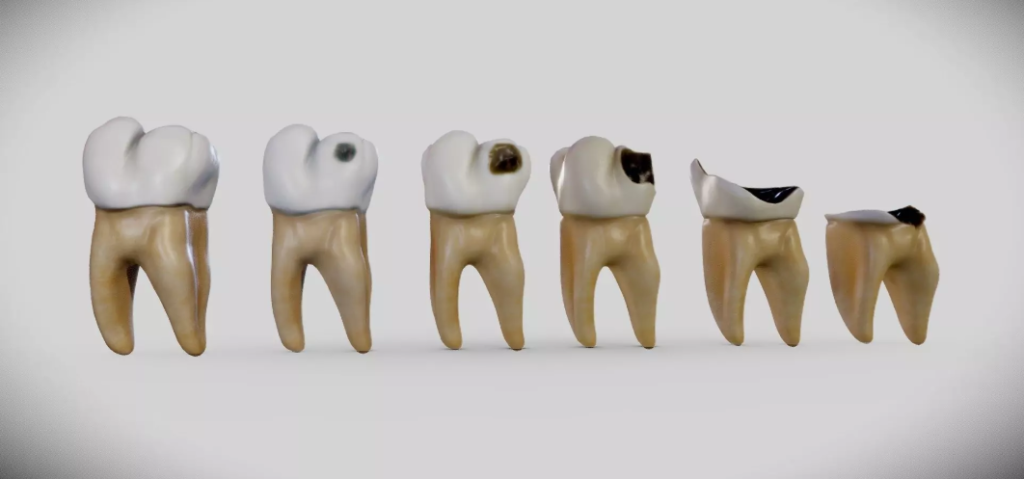

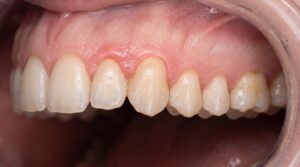



Tooth enamel is the hardest outer layer of the tooth, considered to be the hardest body substance. It works like a protective barrier against decay, erection, and sensitivity by shielding softer internal tooth layers from harmful acids and bacteria, thereby being very important to overall dental health. Once damaged it cannot regenerate as it lacks living cells, so proper oral hygiene practice must be observed to maintain it.
What is Tooth Enamel?
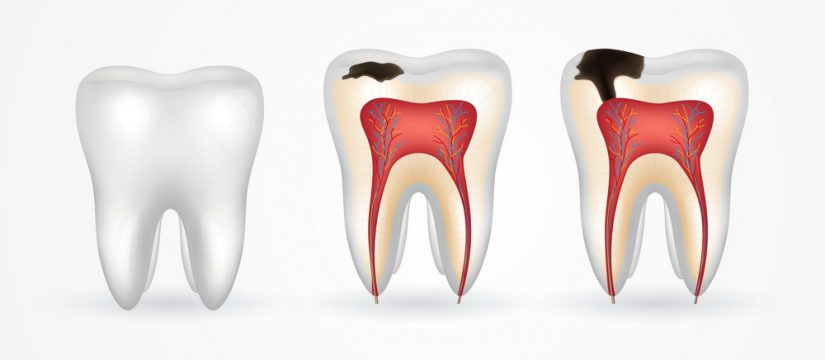
Enamel is the thin covering of the tooth and is very thin. It is, however, one of the hardest structures in the human body. Enamel is the portion of the tooth that lies above the gums and is called the crown.
Enamel is the translucent through which light can pass. The color of the visible part of the tooth is mostly dependent on the main part which is called dentine whether it is white, off-white, yellowish, or grey.
Sometimes, stains from coffee, tea, juices, and even cigarettes can stitch the enamel of teeth. Therefore, visiting the dentist every few months for routine cleaning and polishing will eliminate most of these stains and keep your teeth healthy.
Why is Enamel important for protecting teeth?
Enamel dentistry is important for the structure of the tooth as it acts against the fracturing, cracking, or breaking of the teeth or any damage due to brushing, chewing, or something eating. The tooth enamel is made of hydroxyapatite crystal or can be called fluorapatite, which helps in resisting acids, plaque, and bacteria. Thus, Enamel prevents cavities with time.
The smoothness prevents the retention of food particles and allows self-cleaning. So, if the plot is damaged, this reduces the resistance of the bacteria. The enemy also acts as the insulator for the tooth from the temperature change, it gives that opalescence to every tooth which makes it shiner.
How Enamel Dentistry Helps Prevent Tooth Decay and Sensitivity?
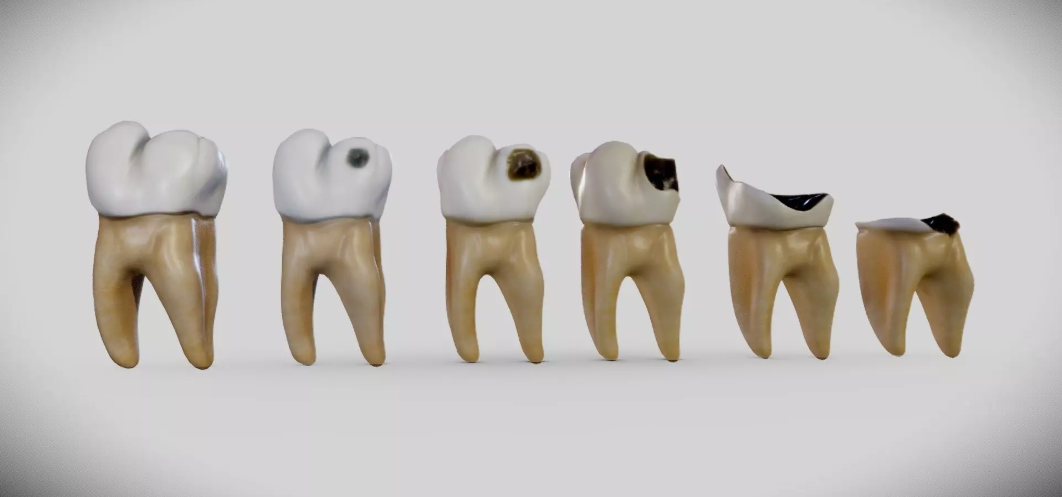
Strengthening Enamel with Fluoride Treatments
Fluoride strengthens the enamel. It restored the places which are weak and protects against cavity formation. Dentists apply fluoride with gels, rinses, or varnishes for enamel restoration, which helps keep teeth safe from acids and bacteria.
Professional Dental Cleanings and Their Benefits
When the enamel dentist cleans the teeth, he is also cleaning and removing the plaque and tartar from the teeth. This prevents decay and gum disease. Clean and polished teeth remain fit and strong in the future. Regular cleaning brings the problem to light at an early age.
Protective Treatments Like Sealants and Bonding
Sealants consist of a special covering on the teeth, which helps to prevent food and bacteria from being lodged in the deep grooves of the tooth. Enamel bonding helps repair minor cracks and weak areas in the tooth. Both Sealants and bonding work as protective measures against tooth decay.
Managing Sensitivity with Desensitizing Treatments
Sensitive teeth can cause some pain upon contact with either hot or cold foods. Dentists use specific kinds of paste or gel to block pain signals coming from these teeth. Fluoride treatments also help reduce that sensitivity. With this effective treatment, these teeth will have a more comfortable feeling.
Everyday Practices to Keep Your Enamel Strong

Enamel Strengthening Toothpaste
Fluoride toothpaste should protect against strong decaying of enamel and cavities. Fluoride best mouthwash for enamel gives additional enamel protection from bacteria and acid attacks. Avoiding too many scary products that can wear enamel gradually helps.
Maintaining a Tooth-Friendly Diet
How do you strengthen enamel? Calcium-rich foods, for instance, milk and cheese, help to strengthen the enamel. Crispy fruits and vegetables serve as natural teeth cleansers and help to remove food particles. A good amount of water in inmates washes off acids and keeps the mouth healthy.
Importance of Regular Dental Check-Ups
Regular dental check-ups help detect enamel damage at early stages, as well as cavities. The main question: does enamel grow back? So the answer is no! Plaque and tartar, which weaken the teeth, are removed by professional cleaning. Thus, one can have healthy enamel and gums through regular maintenance by going to the dentist.
Limiting Sugar and Acid Intake for Better Enamel Health
Too much sugar and acid wear the enamel down, resulting in decay. To prevent such damage to teeth, one can reduce the intake of quantities of sodas, candies, and citrus food. After eating sugar and acidic foods, rinsing the mouth with water will reduce damage and retain enamel strength.
When is it Necessary to Visit a Dentist for Enamel Communication?
Sensitivity to temperature or the sweetness of the food, evident cracks, or chipped and rough texture may signify enamel loss. Yellowing or thinning teeth could signify a compromising of the external layer of teeth leaving them susceptible to decay or damage. If the sensitivity or signs of erosion of enamel get worse then treatment is required and it is best to visit the dentist for enamel services. One of these treatments can be fluoride application, bonding, or sealants that will help protect and strengthen the enamel. In addition, a dentist could identify the early signs of wear damage and also advise the best care possible to prevent future loss of enamel from teeth.
Conclusion
Tooth enamel is the chief protective armor for decay, sensitivity, and damage. Since it cannot be regenerated, strong enamel should be kept by proper oral care, regular dental visits, and healthy habits. Prevention such as fluoride, sealants, and professional cleaning, will help keep enamel strong for dental health in the long run. Following these practices will set in place years to strong, healthy teeth for the future.
Prevents Decay and Sensitivity with Expert Dental Care
Any means to preserve the smile should be embraced by strengthening the tooth enamel. Regular dental appointments, fluoride therapists, and professional cleanings all help to prevent decay, pain, and harm. Make an appointment at Valencia Dental Care to keep your teeth strong and healthy for a lifetime.