
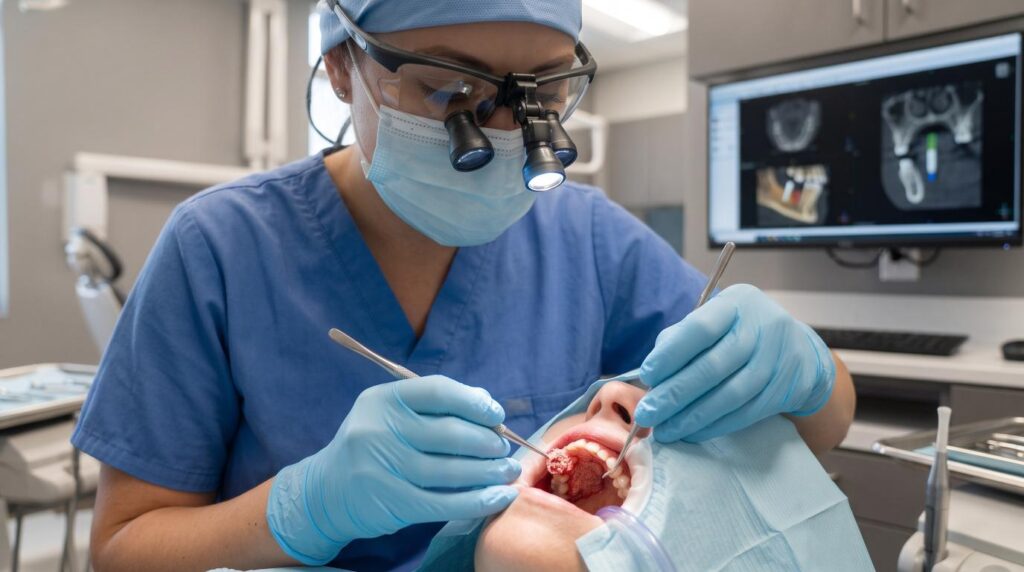




A dental bone graft is a procedure that adds bone or bone-like material to an area of the jaw where bone has been lost or is too thin. The graft acts as a framework that supports new bone growth and can help create a stable foundation for a dental implant.
At Valencia Dental Care in Mesa, AZ, a dental bone graft may be recommended when tooth loss, gum disease, infection, injury, or other bone loss has left too little bone for planned dental treatment. Not everyone needs a graft before an implant, so an examination and dental imaging are used to determine whether additional bone is needed.
This guide explains why dental bone grafts are used, the main types of graft materials, what happens during the procedure, how healing works, possible risks, aftercare, cost factors, and when dental implants can be placed.
Understanding Dental Bone Grafts
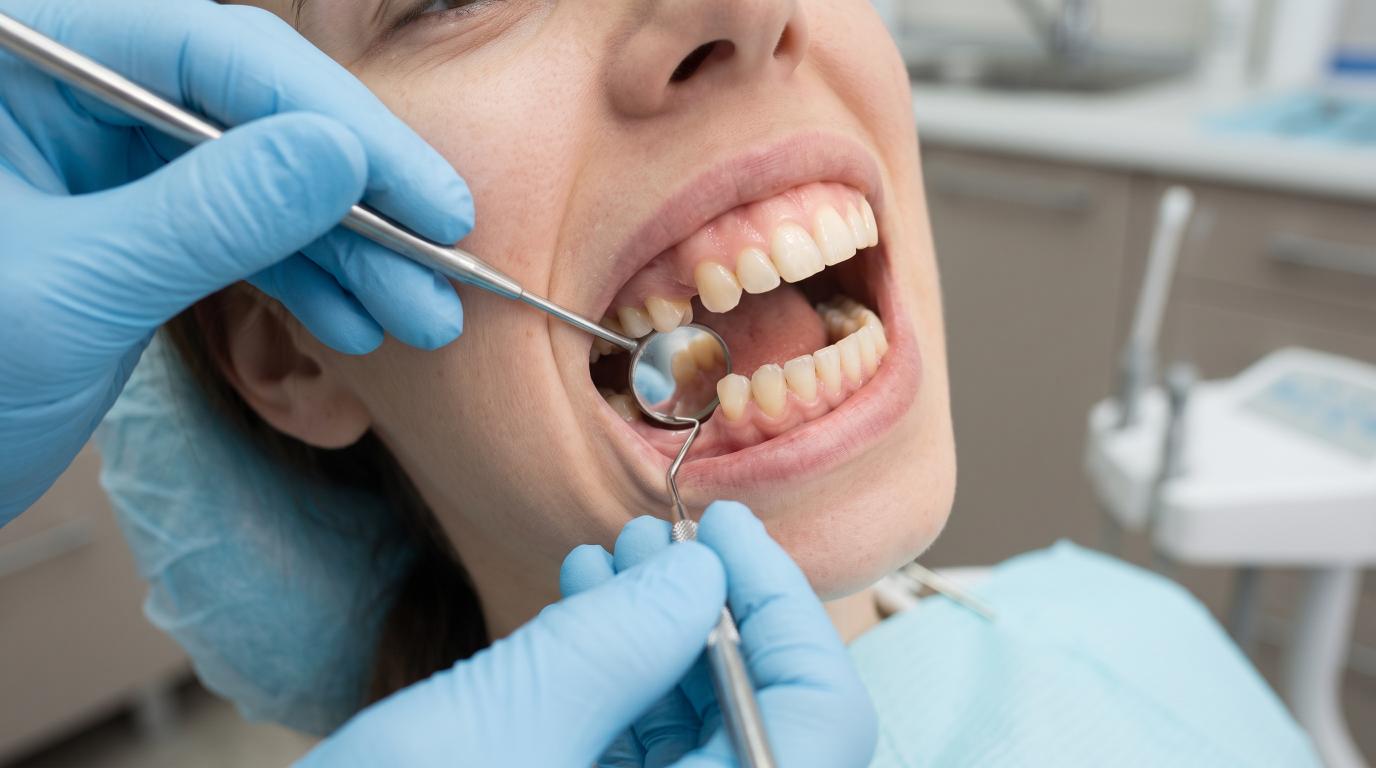
A dental bone graft is a procedure used to rebuild areas of the jaw where bone has become thin or has been lost. Dentists may recommend it after tooth loss, gum disease, infection, or injury, especially when more bone is needed for future dental treatment.
The graft material can come from your own body, processed human donor tissue, an animal source, or a synthetic material. The type used depends on the amount of bone loss, the location being treated, and your overall treatment plan.
Having enough jawbone is especially important for dental implants because an implant needs a stable foundation. If the bone is too narrow, too short, or too weak, grafting may help create the support needed before implant placement.
Why Might You Need a Dental Bone Graft?
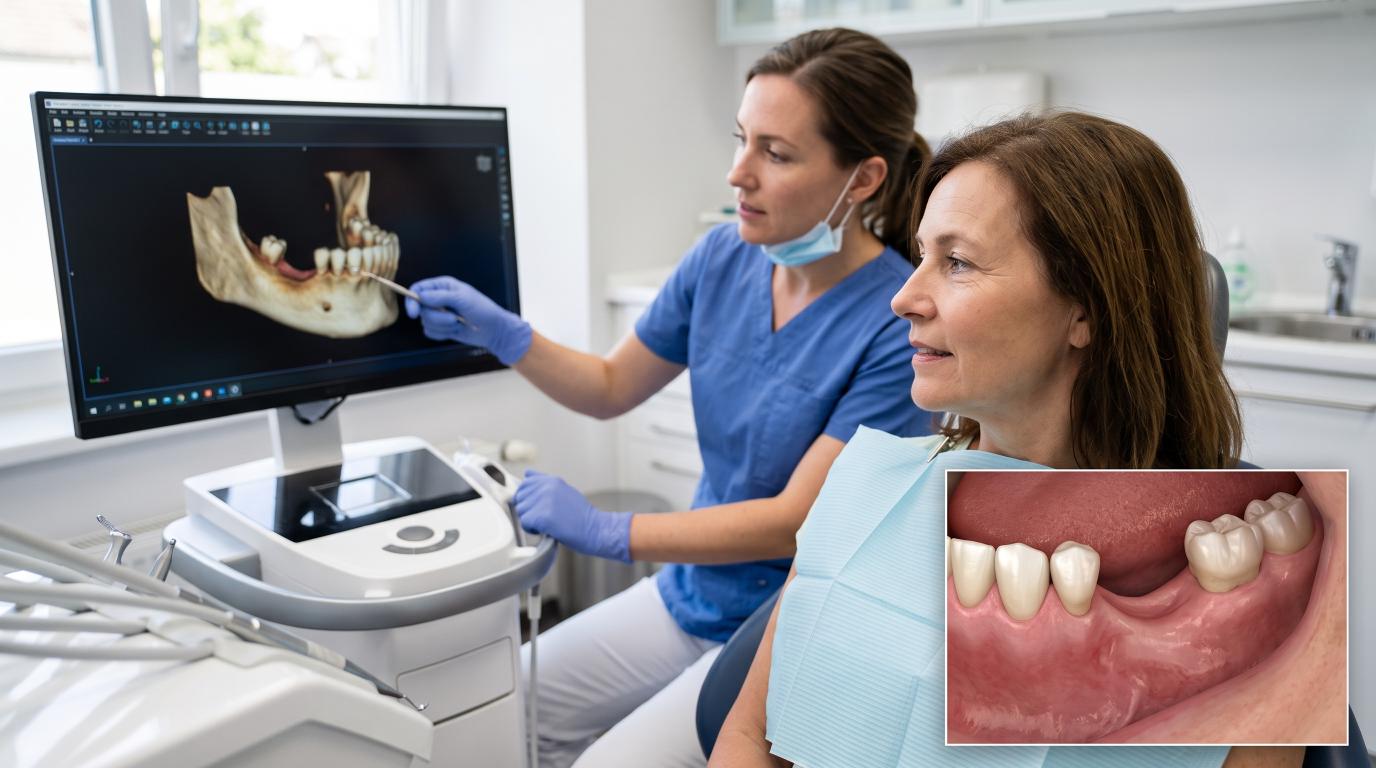
A dentist may recommend a bone graft because of missing teeth, gum disease, infection, injury, or plans for dental implants.
Bone Loss After Tooth Loss
When a tooth is removed or lost, the bone in that area no longer gets the same pressure from chewing. Over time, the jaw ridge can begin to shrink. A bone graft can help preserve or rebuild that area and may make future tooth replacement easier.
Gum Disease and Jawbone Loss
Advanced gum disease can damage the tissues and bone that hold teeth in place. In some cases, grafting may be part of a larger treatment plan after the gum disease is controlled.
Preparing for Dental Implants
Dental implants need a stable base. If X-rays or 3D imaging show that there is not enough bone, your dentist may recommend grafting before implant placement. Some small grafts can be done with an extraction or implant. Larger grafts often need several months to heal first.
Bone Loss From Injury or Infection
A jaw injury or serious tooth infection can damage bone. After the unhealthy tissue is treated, a graft may be used to rebuild the lost area.
Long-Term Protection of the Jaw
Bone grafting may also be used after a tooth extraction to help preserve the shape of the jaw. This is often called socket preservation and can help prepare the area for a future implant.
Types of Dental Bone Grafts
The best graft material depends on how much bone is needed, where it will be placed, and your treatment goals.
|
Type |
Where It Comes From |
Main Point |
|
Autograft |
Your own body |
Uses your own bone but needs a second surgical site |
|
Allograft |
Human donor tissue |
Processed donor bone that avoids a second surgical site |
|
Xenograft |
Animal source |
Processed material that acts as a framework for bone growth |
|
Alloplast |
Synthetic material |
Lab-made material designed to support new bone |
Autografts may come from another area of the jaw or another part of the body. Allografts come from processed human donor tissue. Xenografts use processed animal-based material. Alloplasts are synthetic.
Each type has benefits and limits. Your dentist or oral surgeon will choose the option that fits the size and location of the bone loss.
How Does a Dental Bone Graft Work?
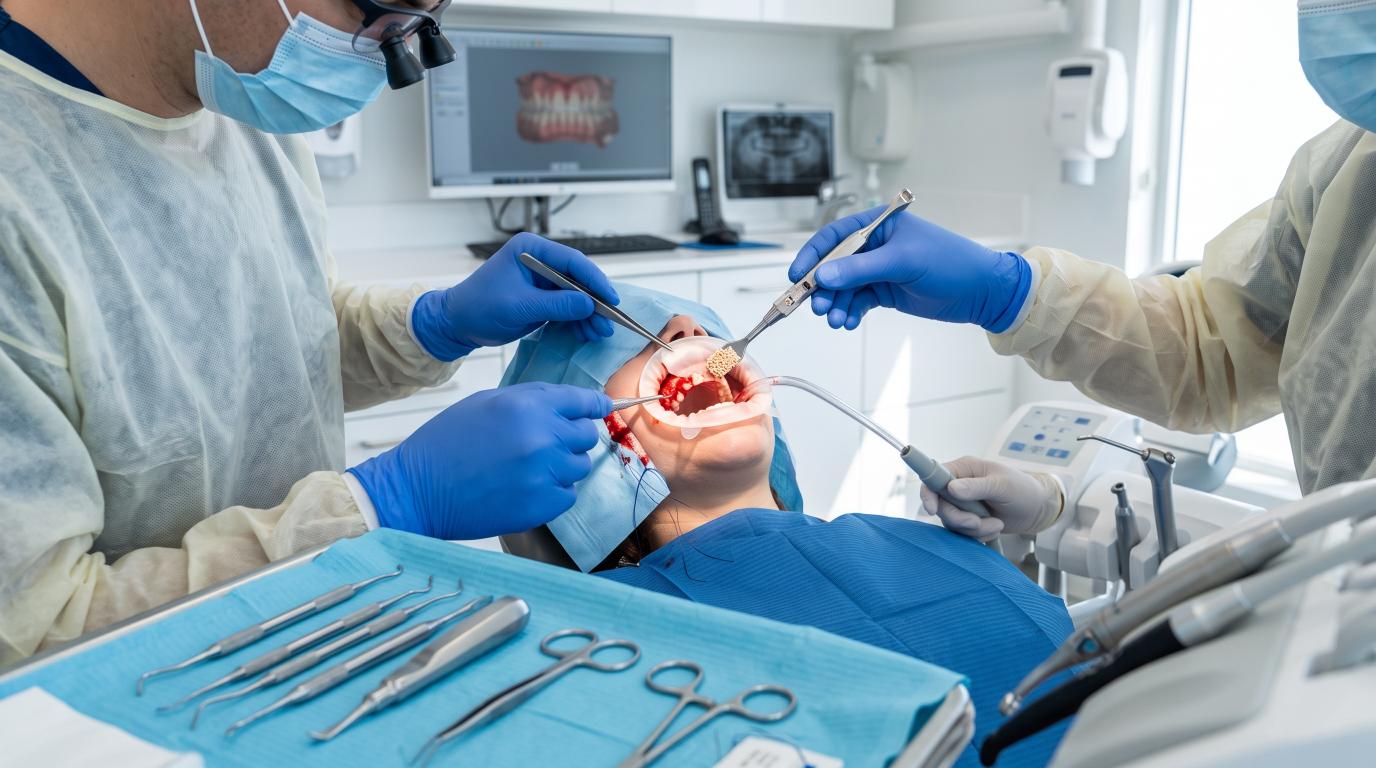
A dental bone graft works by placing bone or bone-like material in an area of the jaw where bone has been lost. Before treatment, your dentist examines your mouth and may use X-rays or 3D imaging to check how much bone is available and where the graft needs to be placed.
During the procedure, the area is numbed to keep you comfortable. The dentist makes a small opening in the gum, cleans the area, and places the graft material into the part of the jaw that needs more support. In some cases, a protective membrane may also be placed over the graft to help keep it stable while healing begins.
The gum tissue is then closed with stitches. The graft does not instantly become a new jawbone. Instead, it acts as a framework that allows your body to grow new bone around and through it over time. As healing continues, the grafted area becomes stronger and may eventually provide enough support for a dental implant.
What to Expect During a Dental Bone Graft Procedure
Knowing what happens before, during, and after a dental bone graft can make the procedure feel more manageable and help you prepare for recovery.
Before the Procedure
Your dentist will explain why the graft is needed and what type is planned. You may need updated X-rays or a 3D scan. Tell your dental team about your medicines, supplements, health conditions, allergies, and tobacco use.
During the Procedure
Most dental bone grafts are done with local anesthesia, so you should not feel sharp pain during treatment. You may feel pressure or movement. The length of the procedure depends on the size and location of the graft and whether an extraction or another treatment is done at the same visit.
Immediately After Treatment
Mild bleeding, swelling, soreness, and bruising can happen after a graft. These effects usually improve during the first week or two. Your dentist may recommend pain medicine, cold packs, rest, and soft foods. Follow the instructions given for your specific procedure.
Dental Bone Graft Healing and Recovery

Recovery happens in stages. The gums usually heal first, while the bone underneath continues to develop for a longer period.
|
Healing Stage |
What to Expect |
|
First 1 to 2 Weeks |
Swelling, tenderness, mild bleeding, or bruising may occur during the first few days. These symptoms should gradually improve as the gum tissue begins to heal. |
|
Early Bone Formation |
As the gums recover, new bone begins developing around the graft. You may feel much better during this stage, even though healing is still taking place below the surface. |
|
Bone Remodeling |
The grafted area continues to strengthen as new bone develops and becomes part of the surrounding jaw. This deeper healing can continue for several months. |
|
Follow-Up Evaluation |
Your dentist will check the area during follow-up visits to make sure the graft is stable and healing properly. Imaging may be used later if another treatment, such as a dental implant, is planned. |
How Long Does a Dental Bone Graft Take to Heal?
The healing time for a dental bone graft depends on the size of the area being treated and how your body responds. A smaller graft may heal faster, while a larger area of bone loss can require a longer recovery period. Other factors can also affect healing, including your overall health, the type of graft used, blood supply to the area, gum health, and whether you smoke or vape.
Following your dentist’s instructions and keeping the area clean can also support proper healing. The gums often begin recovering within about one to two weeks, but the bone graft itself generally needs at least three months to heal. Larger grafts may require nine to 12 months before the area is sufficiently healed. Healing time varies based on the graft size, location, overall health, and treatment plan.
Benefits of a Dental Bone Graft
A dental bone graft can rebuild lost jawbone and create a stronger foundation for future dental treatment. Some of the main benefits include:
- Restores lost bone volume: Helps rebuild areas of the jaw that have become thin after tooth loss, gum disease, infection, or injury.
- Supports dental implants: Provides the healthy bone needed to help a dental implant stay stable.
- Helps preserve jaw shape: Maintaining bone volume can help support the natural shape of the jaw and surrounding facial structure.
- Improves tooth replacement options: Rebuilding the jaw may make dental implants possible for patients who previously did not have enough bone.
The exact benefits depend on the amount of bone loss and the type of treatment you need.
Risks and Possible Complications
Dental bone grafting is commonly performed and is generally safe, but every surgery has some risk. Normal short-term effects include swelling, tenderness, bruising, and mild bleeding.
Possible complications include infection, delayed healing, nerve problems, significant bleeding, or graft failure. Contact your dentist if pain or swelling gets worse instead of better, or if you notice pus, unusual drainage, fever, or an opening at the graft site.
How to Care for Your Mouth After a Bone Graft
Good aftercare helps protect the graft and supports proper healing. Follow your dentist’s instructions closely, take any prescribed medicines as directed, and avoid touching or disturbing the treated area. During the first few days, choose soft foods and avoid hard, crunchy, spicy, or very hot foods that could irritate the site.
Keep your mouth clean, but be gentle around the graft. Brush your other teeth normally and clean near the treated area only as your dentist recommends. Avoid forceful rinsing, spitting, or using a straw during early healing, since these actions may disturb the area.
You should also avoid smoking, vaping, and tobacco because they can slow healing and increase the risk of complications. Attend all follow-up appointments so your dentist can check the graft, monitor healing, and make sure the area is recovering as expected.
When Can You Get Dental Implants After a Bone Graft?
Dental implants are usually placed after the graft has developed enough mature bone to hold the implant securely. Many grafts require at least several months of healing, although timing varies according to the size and location of the graft. In some cases, a minor graft and implant may be completed together, while larger grafts need to heal before implant placement.
Your dentist may examine the area and use dental imaging to check how well the graft has integrated with the jaw. If the bone is strong enough, implant treatment can move forward. In some cases, a small bone graft and dental implant may be placed during the same appointment. When more bone needs to be rebuilt, the graft usually needs to heal first before the implant can be placed.
How Much Does a Dental Bone Graft Cost?
The cost of a dental bone graft varies from patient to patient. A small graft after an extraction is different from rebuilding a larger area of the jaw.
Cost may depend on the graft size, graft material, treatment location, imaging, sedation, and whether an extraction or another procedure is needed.
Dental insurance may cover part of the cost in some cases, but benefits vary by plan. Ask the dental office for a treatment estimate and check your insurance benefits before treatment.
When Should You Talk to a Dentist About a Bone Graft?
Ask about bone grafting if you have been missing a tooth for a long time, were told your jaw is too thin for an implant, lost bone because of gum disease, or need an extraction and may want an implant later.
An evaluation can also help if the gum or jaw around a missing tooth has changed shape. Not everyone needs a graft before an implant. An exam and imaging are the best ways to find out how much bone is present and what treatment is needed.
Conclusion
A dental bone graft can help rebuild or preserve the jawbone when tooth loss, gum disease, infection, injury, or other bone loss has reduced the support available for future dental treatment. Different graft materials can be used, and the right choice depends on the location and amount of bone loss and the goals of treatment.
Recovery varies from patient to patient. The gums may heal within the first few weeks, while the underlying bone can take several months to mature. If a dental implant is planned, your dentist will evaluate the graft and surrounding bone before deciding when implant placement is appropriate.
Not everyone needs a dental bone graft before an implant. An examination and dental imaging can help determine whether you have enough healthy bone or need additional support first.
Ready to Find Out If You Need a Dental Bone Graft?
If you have missing teeth or have been told you may not have enough jawbone for a dental implant, the next step is an evaluation. Valencia Dental Care in Mesa, AZ can assess your jawbone and discuss whether a dental bone graft may be appropriate for your treatment plan. Schedule an evaluation with us to learn what your options are and what step comes next.
Frequently Asked Questions
Is a dental bone graft painful?
The area is numbed during the procedure, so you should not feel sharp pain while the graft is placed. Mild soreness, swelling, and tenderness are common afterward and usually improve over several days.
Can a bone graft be done with a tooth extraction?
Yes. A dentist can sometimes place graft material in the socket right after a tooth is removed. This can help preserve bone and may make future implant treatment easier.
Will I need a bone graft before a dental implant?
Not everyone needs one. If your jaw has enough height, width, and density, an implant may be placed without grafting. Your dentist will use an exam and imaging to decide.
How long does a dental bone graft take to heal?
A dental bone graft usually needs several months for the new bone to develop. Healing time varies based on the size of the graft, its location, your overall health, and how well the area heals. Your dentist will check the bone before deciding when you are ready for the next step.
Can a dental bone graft fail?
Yes, although many grafts heal successfully. Infection, smoking, poor blood supply, some health conditions, or movement at the graft site can affect healing.
Are dental bone grafts safe?
Bone grafting is a well-established dental procedure, but it still has risks like any surgery. Your dentist should review your health history, explain the graft material, and discuss possible complications first.
Can I smoke after a dental bone graft?
Smoking or vaping during healing is not recommended because it can slow tissue repair. Ask your dentist how long you should avoid tobacco based on your procedure.