


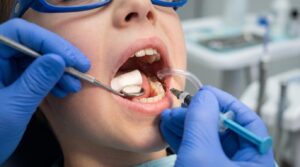

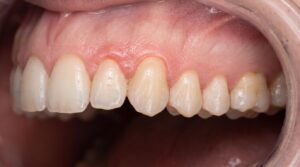
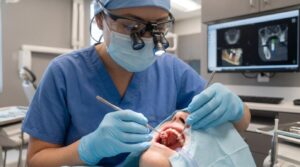

A smile can make a big difference in how you feel about your appearance. Cosmetic dentistry is a type of dental care that improves the color, shape, size, spacing, and overall appearance of teeth and gums. Common treatments include teeth whitening, dental bonding, veneers, and orthodontics. Some procedures also restore damaged or missing teeth. The right treatment depends on your dental health, personal goals, and the changes you want to make.
At Valencia Dental Care in Mesa, AZ, we understand that everyone has different concerns about their smile. Some people want whiter teeth, while others want to repair chips, close gaps, or replace missing teeth. Understanding the available procedures, their benefits, and their limitations helps you make better decisions about your dental care.
How Does Cosmetic Dentistry Improve the Appearance of Your Smile?
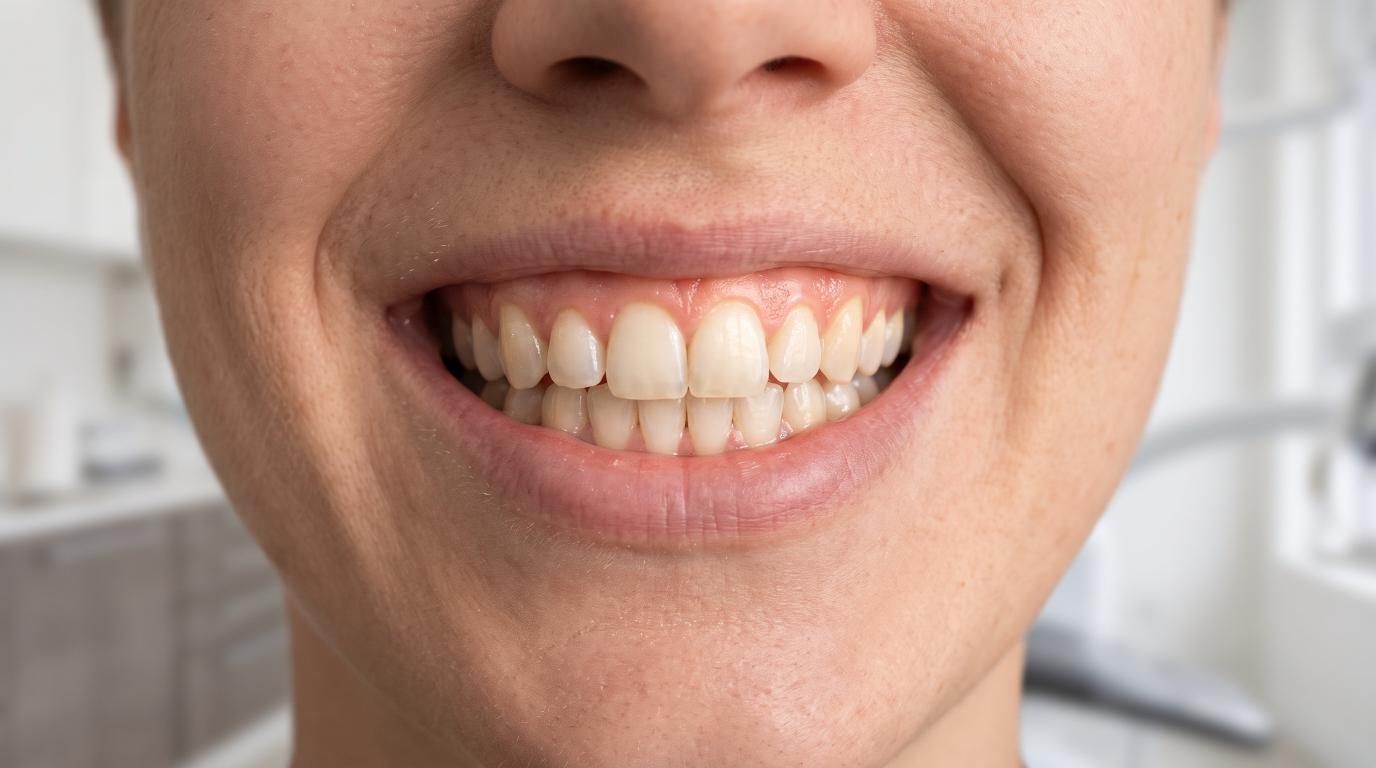
The overall appearance of a smile depends on how the teeth, gums, and lips work together. A balanced smile considers tooth proportions, symmetry, and the position of visible teeth in relation to the surrounding facial features.
For example, two front teeth of different lengths can make a smile appear uneven. Similarly, when one side of the gumline is higher than the other, the teeth may look different in size, even if they are healthy.
When planning cosmetic improvements, our dentist considers several details:
- Tooth proportions: How the length and width of each tooth compare with neighboring teeth.
- Smile symmetry: How evenly the teeth and gums appear on both sides of the smile.
- Smile line: How the edges of the upper teeth follow the curve of the lower lip when smiling.
- Gum display: How much gum tissue is visible and whether the gumline looks balanced.
A natural-looking smile does not require perfectly identical teeth. Small differences are normal. The goal is to create a balanced appearance while keeping the teeth comfortable, functional, and healthy.
What Is the Difference Between Cosmetic Dentistry and Esthetic Dentistry?
Cosmetic dentistry and esthetic dentistry are often used interchangeably, but some dental researchers distinguish between them. Cosmetic dentistry focuses mainly on improving dental appearance, while esthetic dentistry places greater emphasis on natural appearance, oral health, and long-term function.
| Aspect | Cosmetic Dentistry | Esthetic Dentistry |
|---|---|---|
| Main focus | Improving the visible appearance of teeth and gums. | Creating a natural appearance while supporting dental health and function. |
| Treatment goals | Addressing concerns such as tooth color, shape, and spacing. | Balancing appearance with the natural structure and function of teeth. |
| Treatment approach | May focus on specific appearance changes. | Places greater emphasis on biological compatibility and long-term results. |
| Expected results | Aims to achieve the desired cosmetic improvement. | Aims for results that resemble natural teeth and function well. |
A study published in Quintessence International, titled Cosmetic or Esthetic Dentistry?, discusses these differences and emphasizes the importance of natural appearance, biological compatibility, and dental function.
However, this distinction is mainly discussed in academic literature. In everyday dental care, both terms commonly describe similar treatments. Regardless of the terminology, dental procedures should protect oral health while improving appearance.
What Dental Concerns Can Cosmetic Dentistry Address?
Cosmetic dental treatments address several concerns that affect how a smile looks. The most suitable procedure depends on the problem and the condition of the teeth.
Common concerns include:
- Stained or discolored teeth: Yellowing, surface stains, or deeper changes in tooth color.
- Chipped or cracked teeth: Visible damage that affects a tooth’s shape or appearance.
- Gaps between teeth: Spaces that make the smile look uneven.
- Misshapen or worn teeth: Teeth that appear too short, uneven, or different in size.
- Misaligned teeth: Crowding, crooked teeth, or spacing problems.
- Missing teeth: Empty spaces caused by tooth loss.
- Uneven gumlines: Excess gum tissue or differences in gum height.
Some concerns are mainly cosmetic, while others involve dental health problems that need treatment.
What Are the Most Common Cosmetic Dentistry Procedures?
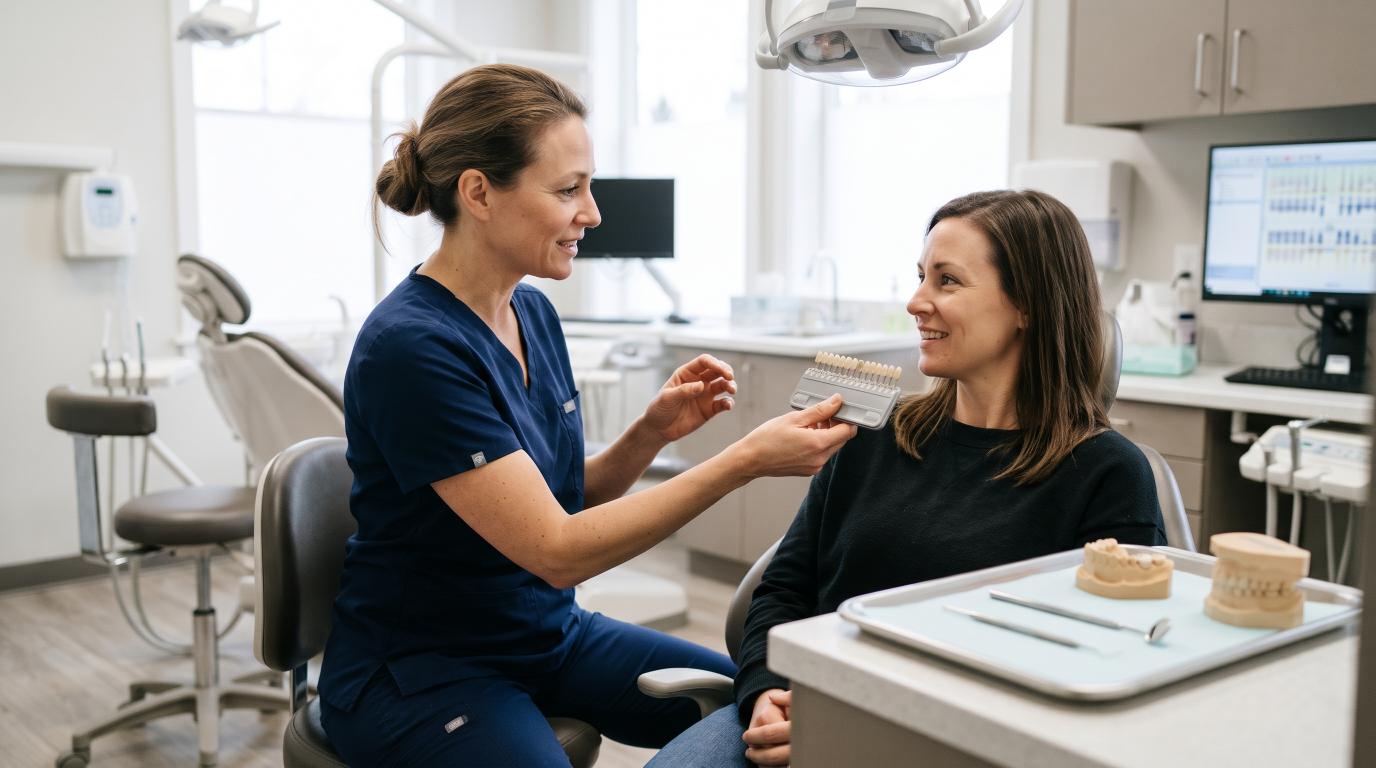
The most common cosmetic dentistry procedures include teeth whitening, bonding, veneers, orthodontics, crowns, dental implants, bridges, and gum contouring. Each treatment addresses different concerns. Some involve small changes to natural teeth, while others require more preparation or several appointments.
Professional Teeth Whitening
Professional teeth whitening removes or reduces discoloration using dental bleaching products. It is commonly used for teeth stained by coffee, tea, tobacco, and natural aging. During treatment, a whitening gel is applied to the teeth. Depending on the method, treatment takes place in the dental office or at home using dentist-provided products.
The American Dental Association’s guidance on whitening explains that bleaching changes the color of natural teeth but does not whiten crowns, veneers, or fillings. Whitening results vary depending on the cause of discoloration. Patients interested in brighter teeth can explore our professional teeth whitening services.
Dental Bonding
Dental bonding uses tooth-colored composite resin to repair minor chips, close small gaps, or improve uneven tooth edges. Our dentist applies the resin, shapes it to match the surrounding teeth, and hardens it with a curing light.
Bonding usually requires little or no removal of healthy enamel. It is often completed in one appointment. However, composite resin can stain, chip, or wear over time. Bonding works best for smaller changes rather than major damage or severe alignment problems.
Porcelain Veneers
Porcelain veneers are thin, custom-made shells attached to the front surfaces of teeth. They improve the appearance of discoloration, chips, small gaps, and uneven tooth shapes. Treatment generally involves preparing the teeth, taking impressions or digital scans, and bonding the finished veneers into place.
Some enamel is usually removed to create space for porcelain veneers. This makes the procedure irreversible. Veneers also require healthy supporting teeth and gums. Our porcelain veneers treatment offers an option for patients seeking longer-lasting changes to their smile.
Clear Aligners and Orthodontic Treatment
Clear aligners and traditional braces gradually move teeth into improved positions. These treatments address crowding, gaps, crooked teeth, and certain bite problems. Clear aligners use a series of removable trays, while braces use brackets and wires.
Treatment length depends on the amount of tooth movement needed. Orthodontic treatment changes tooth position rather than covering visible imperfections. Retainers are generally needed afterward to help maintain the results. Patients interested in less noticeable orthodontic treatment can learn about our Invisalign services.
Dental Crowns and Porcelain Inlays or Onlays
Dental crowns cover the visible portion of a tooth. They restore teeth affected by significant damage, fractures, or large fillings. Porcelain inlays and onlays repair damaged areas without covering the entire tooth. An inlay fits within the chewing surface, while an onlay extends over one or more cusps.
These restorations improve appearance while helping restore tooth strength and function. However, preparation requires removing some natural tooth structure. Crowns are generally more suitable for damaged teeth than healthy teeth needing only a small cosmetic change.
Dental Implants and Bridges
Dental implants and bridges replace missing teeth and restore the appearance of a complete smile. A dental implant uses a titanium or other suitable implant post placed in the jawbone to support a replacement tooth. Treatment involves healing before the final restoration is attached.
A dental bridge fills a gap using artificial teeth supported by neighboring teeth or implants. Both options improve appearance and can restore chewing ability. However, implants require adequate bone support, while conventional bridges often need preparation of neighboring teeth.
Gum Contouring
Gum contouring reshapes gum tissue to improve the balance between teeth and gums. It is commonly considered when excessive gum tissue makes teeth appear short or when the gumline looks uneven.
During treatment, our dentist carefully removes or reshapes selected gum tissue. The technique depends on the amount of tissue involved. Gum contouring is not appropriate for every gummy smile. Sometimes tooth position, jaw structure, or other factors contribute to excessive gum display and require a different approach.
What Are the Benefits and Limitations of Cosmetic Dentistry?
Cosmetic dental treatments improve smile appearance, but each procedure has benefits, risks, and maintenance requirements.
Potential Benefits of Cosmetic Dental Treatments
One important benefit is the ability to address specific concerns about tooth appearance. Repairing a visible chip or improving uneven tooth color can help people feel more comfortable smiling. Some procedures also provide functional benefits. Replacing a missing tooth can improve chewing, while orthodontic treatment can correct certain bite problems.
Modern dental materials also allow restorations to closely match natural teeth. However, the results depend on the selected treatment, existing dental health, and individual expectations.
Possible Risks and Limitations to Consider
Cosmetic treatments are not free from risks. Whitening can cause temporary sensitivity or gum irritation. Bonding may chip, while veneers and crowns sometimes need replacement. More invasive procedures may involve tooth preparation, discomfort, or complications affecting the gums or underlying teeth.
Restorations also require ongoing care, and no procedure guarantees perfect or permanent results. Understanding these limits helps patients choose treatment based on realistic expectations.
Why Should Conservative Treatments Be Considered Before Invasive Procedures?
Conservative dental treatments should be considered first because they preserve more healthy natural tooth structure. Whitening and bonding often involve fewer changes to teeth than veneers or crowns. For example, a small chip may be repaired with bonding instead of covering the entire tooth. A published review of cosmetic dentistry risks and benefits explains that aggressive elective procedures can damage teeth that were previously healthy.
Removing enamel is an important decision because enamel does not grow back. Conservative care is not always suitable, especially when teeth have major damage. The goal is to choose a treatment that addresses the concern without removing more healthy tooth structure than necessary.
Who Is a Good Candidate for Cosmetic Dentistry?
A good candidate for cosmetic dentistry is someone who wants to improve their smile and has oral health that supports the planned treatment. Healthy teeth and gums are important before beginning most cosmetic procedures. Patients with untreated cavities, active gum disease, or dental infections usually need to address those problems first.
Other factors also affect suitability. Teeth grinding, enamel condition, bite problems, and existing restorations may limit certain treatments. A dental examination helps identify which options are appropriate and whether additional care is needed.
How Do Social Trends Influence Cosmetic Dentistry Decisions?
Social media, advertising, and edited photographs can influence how people think their teeth should look. Very white teeth and perfectly even smiles are often presented as normal. In reality, healthy natural teeth come in different shades, sizes, and shapes. A study on the social and ethical aspects of cosmetic dentistry discusses how cultural expectations can influence treatment decisions and create pressure to change dental appearance.
It is important to separate personal preferences from expectations created by online images. A person may prefer a brighter smile without needing major changes to tooth shape or alignment. Cosmetic treatment should reflect individual goals rather than pressure to follow a particular appearance trend.
What Should Patients Understand Before Agreeing to Cosmetic Dental Treatment?
Before agreeing to treatment, patients should understand what the procedure involves, what results are reasonable, and what risks exist. A paper on ethical decision-making in cosmetic dental treatment emphasizes discussing available options, possible complications, and long-term consequences before treatment begins.
Patients should also ask whether the procedure is reversible, how much maintenance it requires, and whether less invasive alternatives are available. Written treatment plans and clear explanations help patients understand the recommended care. Informed consent means making a decision after receiving information about the benefits, limitations, and reasonable alternatives.
How Does the Cosmetic Dentistry Process Work?
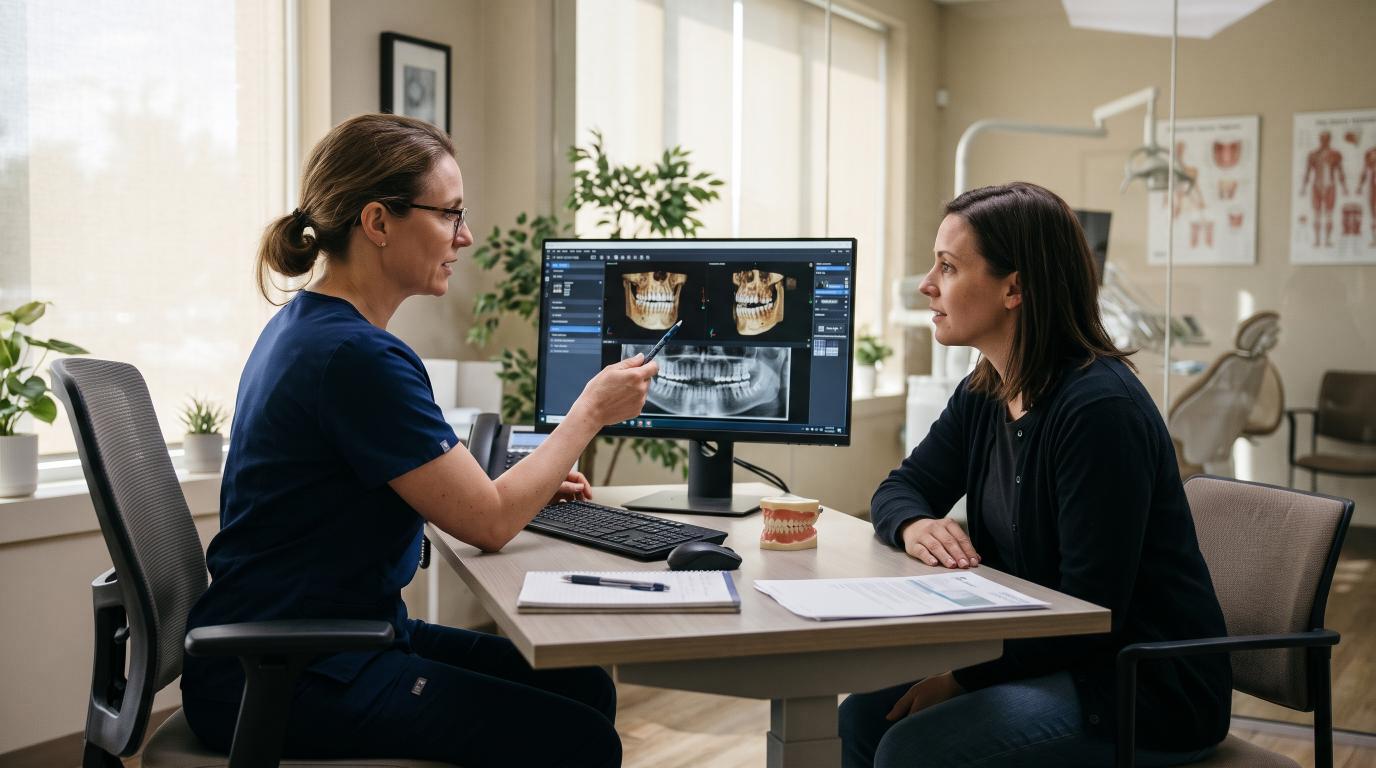
The cosmetic dentistry process usually begins with an examination, followed by a discussion of smile goals, treatment planning, the selected procedure, and follow-up care.
Step 1: Initial Dental Examination
Our dentist examines your teeth, gums, and bites to understand your oral health. The appointment may include dental X-rays, photographs, or digital scans when needed. This examination helps identify decay, gum problems, worn teeth, and other concerns that could affect treatment.
Step 2: Discussing Smile Goals and Treatment Options
You can explain what you want to change about your smile. Our dentist discusses the procedures that address those concerns and explains what each treatment can achieve. This conversation also helps identify preferences regarding treatment time, appearance, and maintenance.
Step 3: Creating an Individualized Treatment Plan
After reviewing your dental health and goals, our team recommends suitable procedures. The plan outlines the treatment sequence, expected appointments, estimated costs, and any preparation needed. Patients considering several procedures can discuss how the treatments fit together.
Step 4: Completing the Recommended Procedures
Treatment begins according to the agreed plan. Simple procedures, such as bonding, may require one visit. Veneers, orthodontic care, and dental implants usually involve several appointments. Our dentist explains the steps and provides instructions based on the procedure.
Step 5: Follow-Up and Maintenance
Follow-up appointments help check healing, restoration fit, and treatment results. Some procedures require adjustments or ongoing visits. Our team also explains how to care for treated teeth and when to return for an examination.
How Much Does Cosmetic Dentistry Cost?
The cost of cosmetic dentistry depends on the type of treatment, number of teeth involved, materials used, and complexity of the procedure. A single bonding repair generally costs less than treating several teeth with porcelain veneers or replacing missing teeth with implants. Additional dental care, such as treating decay or gum disease, can also affect the total cost.
Insurance coverage varies. Procedures performed mainly for appearance are often not covered, while some restorative treatments may qualify for benefits. Before treatment, ask for a written estimate and discuss available payment options. A consultation provides a clearer understanding of the expected cost.
How Long Do Cosmetic Dentistry Results Last?
Cosmetic dentistry results can last from several months to many years, depending on the procedure and how well the treated teeth are maintained. Whitening results gradually fade as teeth develop new stains. Bonding can last several years but may need repairs.
Porcelain veneers, crowns, and bridges can provide many years of service, although they may eventually require replacement. Dental implants can remain in place for many years, but their attached restorations may need maintenance.
Daily habits also matter. Teeth grinding, chewing hard objects, smoking, and poor oral hygiene can shorten the life of dental work. Brushing twice daily, cleaning between teeth, and attending regular dental visits help protect results.
How to Choose the Right Cosmetic Dentist
Choosing the right cosmetic dentist starts with finding a licensed dental professional who has experience with the procedure you are considering. Ask about the dentist’s training, qualifications, and experience with similar treatments. Review genuine before-and-after photographs to understand the types of results achieved. Remember that every case is different.
A good consultation should also include clear explanations about treatment risks, alternatives, maintenance, and costs. Be cautious of promises that guarantee perfect results or recommend major procedures without examining your teeth. You should feel comfortable asking questions and understanding the recommendations before agreeing to treatment.
Frequently Asked Questions
At What Age Can Someone Consider Cosmetic Dentistry?
Cosmetic dentistry can be considered at different ages, depending on dental development and treatment needs. Some procedures are appropriate for teenagers, while others are generally delayed until teeth and jaws have developed further. A dental examination helps determine the right timing.
Can Multiple Cosmetic Dental Procedures Be Performed Together?
Yes. Some patients combine treatments such as whitening, bonding, and orthodontics to address different concerns. However, procedures must be planned in the correct order. Certain treatments require healing or preparation before another procedure begins.
Can Cosmetic Dentistry Make Teeth Look Natural?
Yes. Cosmetic dental treatments can create natural-looking results when tooth color, shape, size, and facial features are considered. Our dentist selects appropriate materials and plans restorations to blend with the surrounding teeth.
Are Cosmetic Dental Treatments Permanent?
Most cosmetic dental treatments are not permanent. Whitening fades over time, and restorations may eventually require repair or replacement. Some procedures also involve irreversible changes to natural teeth, even though the restoration itself has a limited lifespan.
Can Someone With Sensitive Teeth Undergo Cosmetic Dental Treatment?
Yes, depending on the cause and severity of the sensitivity. Our dentist first checks for problems such as exposed roots, cavities, or worn enamel. Treatment options may need adjustment to reduce discomfort and protect the teeth.
What Happens if You Are Unhappy With Your Cosmetic Dental Results?
Contact the treating dentist and explain your concerns. Minor problems involving shape, color, or fit may be corrected through adjustments. Other concerns may require repair or replacement. Available solutions depend on the procedure and the condition of the treated teeth.
Conclusion
Cosmetic dentistry offers several ways to improve smile appearance, from simple whitening and bonding to veneers, orthodontics, and tooth replacement. Every treatment has different benefits, limitations, costs, and maintenance needs.
Some procedures preserve most natural tooth structure, while others involve permanent changes. The best decision starts with understanding your oral health, exploring suitable options, and discussing realistic results with a qualified dental professional.
Schedule a Cosmetic Dentistry Consultation
Are you thinking about improving your smile but unsure which treatment is right for you? At Valencia Dental Care in Mesa, AZ, our team helps patients understand their cosmetic dental options and choose treatments based on their oral health and smile goals.
Whether you are interested in teeth whitening, bonding, veneers, or replacing missing teeth, we are here to answer your questions. Call us at (480) 219-1933 or schedule your dental consultation online.