
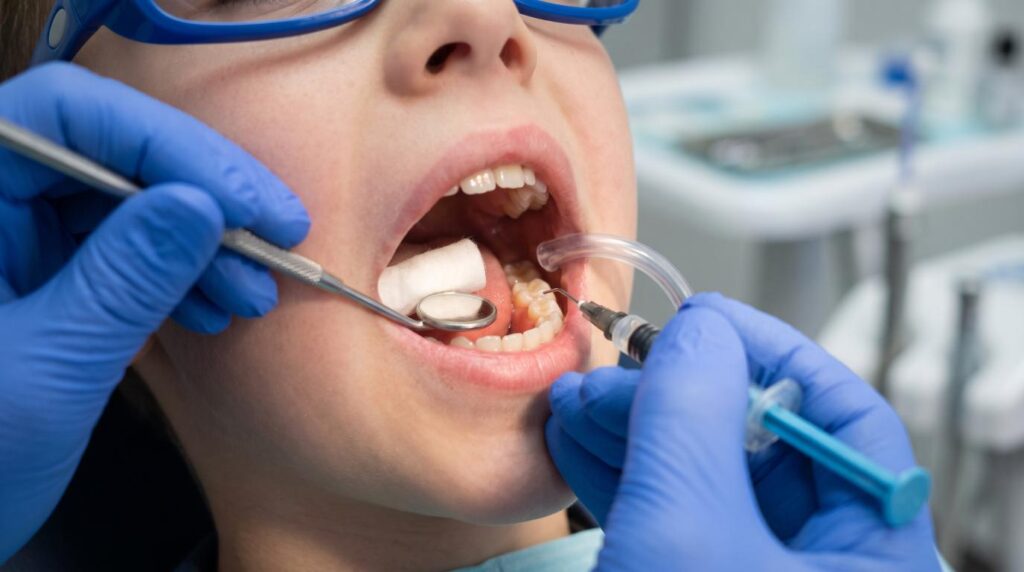




Many parents ask, “What are dental sealants, and do they really help prevent cavities?” Dental sealants are thin, protective coatings applied to the chewing surfaces of back teeth. They cover deep grooves where food and bacteria can collect, helping prevent tooth decay. Children benefit the most, but adults can also get sealants when needed.
At Valencia Dental Care in Mesa, AZ, preventive dental care helps children and adults protect their natural teeth. Understanding how sealants work, when they are needed, and what happens during treatment can help you decide whether they are right for your family.
What Are Dental Sealants Made Of?
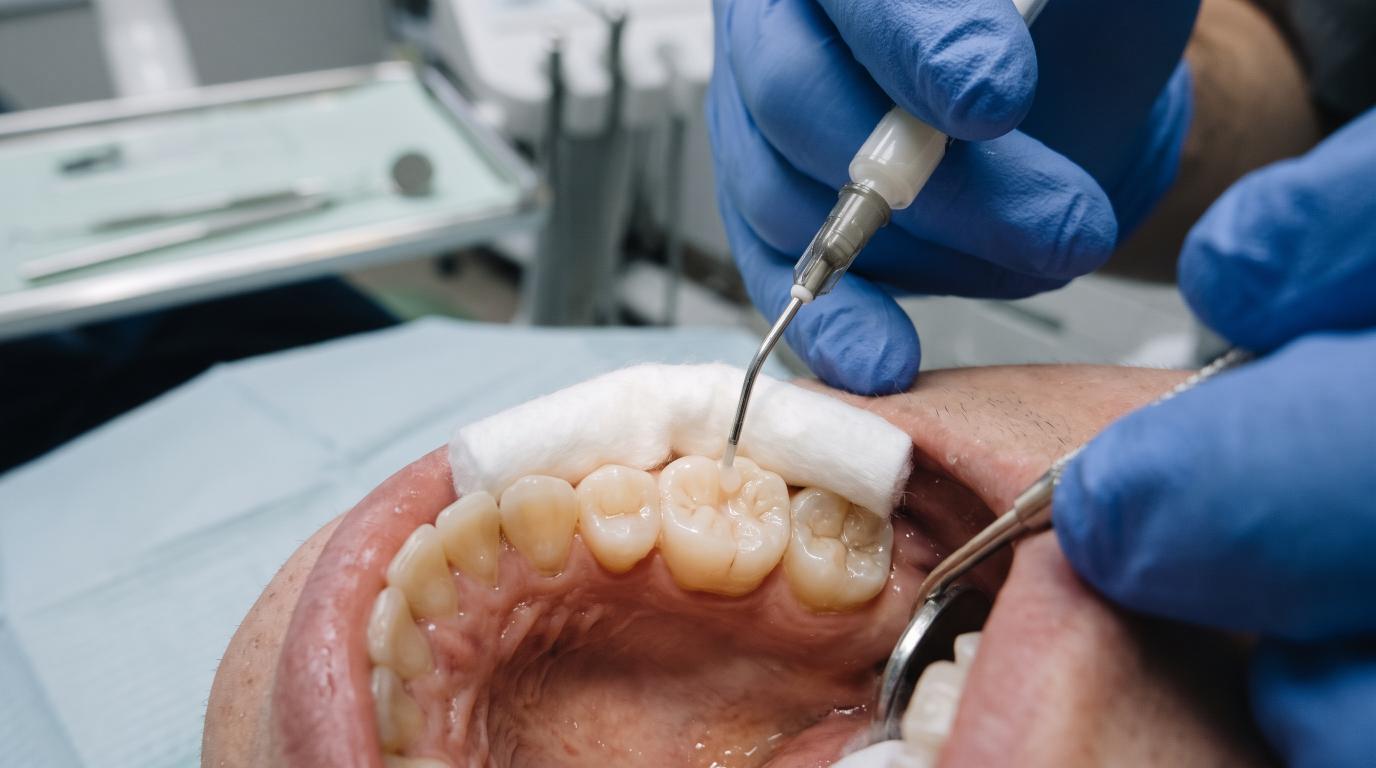
Dental sealants are thin protective coatings made from dental materials designed to adhere to the chewing surfaces of teeth. Dentists usually apply them to molars and premolars, where the natural grooves can be narrow and difficult to clean thoroughly.
Once placed, the material forms a coating over these grooves. Sealants are available in different materials, including resin-based and glass ionomer products. The dentist selects a suitable option based on the tooth’s condition and the ability to keep the area dry during treatment.
Sealants are a preventive treatment, not a substitute for fillings or other care when a cavity requires treatment. A dental examination helps determine whether a tooth is suitable for sealing.
How Do Dental Sealants Prevent Cavities?
Dental sealants prevent cavities by covering deep tooth grooves that can trap food particles and cavity-causing bacteria. This barrier makes it harder for plaque and acids to reach the protected enamel.
Bacteria naturally live in the mouth. When they feed on sugars from food and drinks, they produce acids that can weaken tooth enamel. Over time, repeated acid exposure can lead to cavities.
The narrow grooves of back teeth can be difficult to clean, even with regular brushing. Sealants cover these spaces and reduce the chance of decay developing there.
However, sealants only protect the surfaces where they are applied. The sides of teeth and spaces between teeth still need regular brushing, flossing, and fluoride protection.
Who Should Get Dental Sealants?
Children and teenagers are the most common candidates for dental sealants, but adults and younger children may also benefit. Dentists recommend them based on tooth development, cavity risk, and the condition of the chewing surfaces.
Why Children May Benefit From Sealants
Children often benefit from sealants because their newly developed permanent molars are more likely to develop cavities. Deep grooves can hold food and plaque, especially when children are still learning proper brushing habits. Applying sealants soon after these teeth appear helps protect them during the early years. Parents can discuss sealants during routine dental visits. The dentist will check which teeth have fully emerged and whether they are suitable for treatment.
When Adults May Need Dental Sealants
Adults may benefit from dental sealants when their back teeth have deep grooves and remain free from significant decay or large restorations. Some adults naturally have pits and fissures that are difficult to clean. Others may have a higher cavity risk due to dry mouth, frequent snacking, or previous tooth decay. A dentist can examine these areas and decide whether sealants would provide useful protection. Age alone does not determine eligibility.
Can Sealants Be Applied to Baby Teeth?
Yes, dental sealants can be applied to baby teeth, particularly molars with deep grooves that are more likely to develop cavities. Although baby teeth eventually fall out, they support chewing, speech development, and the proper positioning of permanent teeth. Protecting them from cavities may reduce the need for fillings or other dental treatments. Dentists usually consider sealants for baby teeth when a child has a higher risk of decay.
Can Sealants Protect Teeth With Early, Noncavitated Decay?
Yes, dental sealants can sometimes help stop early tooth decay from progressing. This applies to noncavitated lesions, where the enamel has started to weaken but a hole has not yet formed in the tooth. Sealants can help manage certain early lesions on the chewing surfaces of molars by sealing off the affected area.
However, sealants are not suitable for every stage of tooth decay. A dentist must examine the tooth to determine whether a sealant is appropriate or whether another treatment is needed. More advanced decay may require treatment beyond a sealant.
When Is the Best Time to Get Dental Sealants?
The best time to get dental sealants is shortly after permanent molars emerge, before cavities develop. Most children get their first permanent molars around age six and their second molars around age twelve. Applying sealants during these stages provides protection while the teeth are still new.
The Centers for Disease Control and Prevention reports that sealants can prevent up to 80% of cavities in back teeth during the first two years after application.
However, children do not need to reach a specific birthday before a dentist can recommend treatment. Tooth development varies, and some teeth may need protection earlier or later. Regular dental examinations help identify the right time for sealant placement.
What Types of Dental Sealants Are Available?
The two main types of dental sealants are resin-based and glass ionomer sealants. Both protect tooth surfaces, but they differ in how they bond, how they harden, and how they handle moisture.
Resin-Based Dental Sealants
Resin-based sealants are made from dental resin materials that form a protective layer over tooth grooves. They usually bond well to enamel when the surface is kept clean and dry. Most are hardened using a special dental curing light. These sealants can remain attached for several years with proper placement and routine dental care. They are commonly selected for fully emerged teeth where moisture can be controlled during treatment.
Glass Ionomer Dental Sealants
Glass ionomer sealants are made from materials that chemically bond to the tooth surface and release fluoride. The fluoride release may provide added protection to nearby enamel. These materials are also more tolerant of moisture during placement than many resin-based products.
Dentists may consider them when a tooth has not fully emerged or keeping the area completely dry is difficult. However, glass ionomer sealants may wear away or lose retention sooner than some resin-based materials.
How Dentists Choose the Right Sealant Material
The right dental sealant material depends on the tooth’s condition and whether the dentist can keep the area dry during treatment. Resin-based sealants generally bond well when the tooth surface is clean and dry. Glass ionomer materials may be considered when moisture control is more difficult, such as when a tooth has not fully erupted.
Your dentist will examine the tooth, assess its cavity risk, and consider how well the material is likely to stay in place. Both materials can help protect teeth, but their suitability and retention can differ. Regular dental checkups help the dentist determine whether the sealant remains intact or needs attention.
What Happens During the Dental Sealant Procedure?
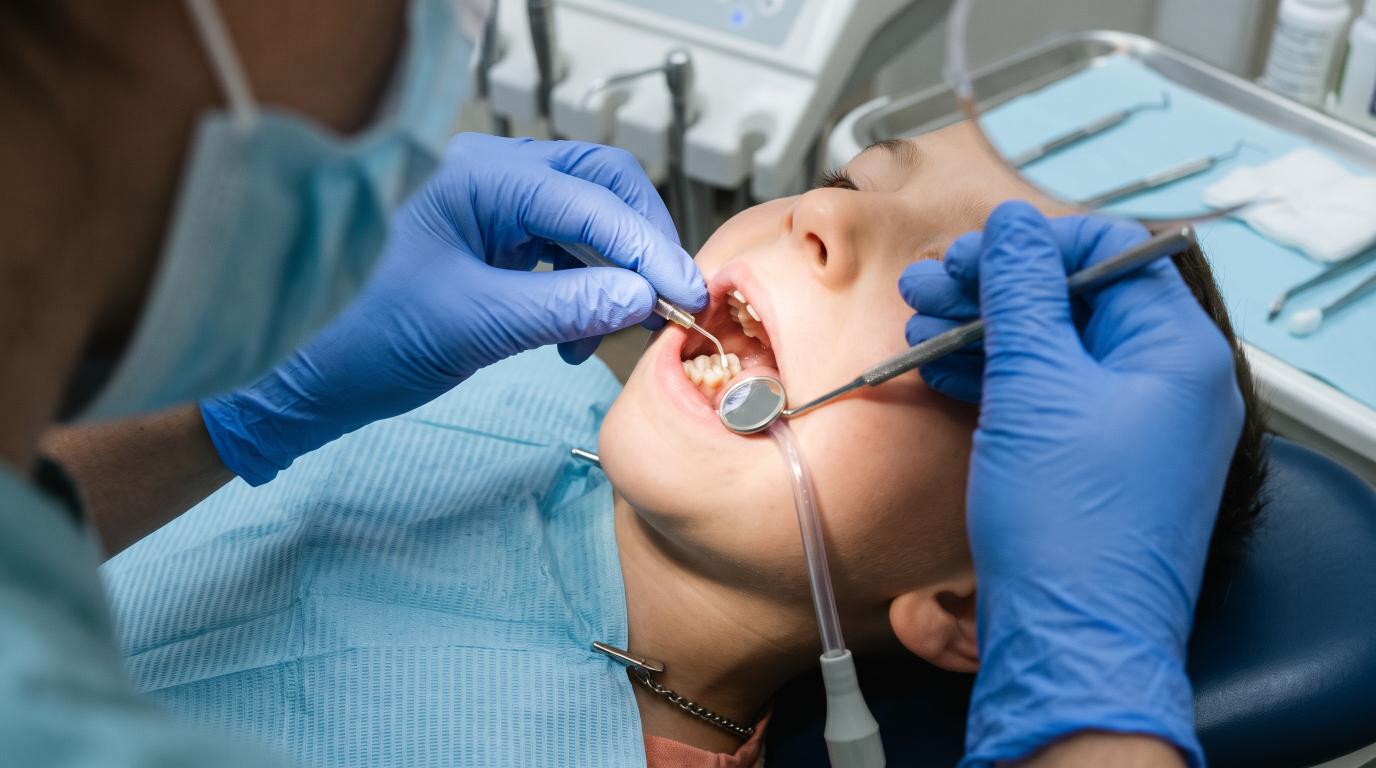
The dental sealant procedure is usually quick, painless, and completed without drilling or removing healthy tooth structure. A dental professional prepares the tooth, applies the material, and allows it to harden.
Step 1: Examine and Clean the Teeth
The dentist first examines the chewing surfaces to identify teeth that may benefit from sealants. They check for cavities, existing fillings, and areas where the grooves are particularly deep. The teeth are then cleaned to remove plaque and food particles. A clean surface helps the sealant make proper contact with the enamel.
Step 2: Prepare and Dry the Tooth Surface
Next, the tooth is prepared so the sealant can bond properly. For many resin-based sealants, the dentist applies a mild acidic gel that prepares the enamel surface.
The gel is then rinsed away, and the tooth is dried. Cotton rolls or other dental tools may be used to keep saliva away. A dry surface is especially important when applying resin-based materials.
Step 3: Apply the Sealant Material
The dentist carefully places the sealant material onto the prepared chewing surface. The liquid material flows into the small pits and grooves, covering areas where food and bacteria could otherwise collect.
Only a thin layer is needed. The dentist checks that the material reaches the grooves without leaving unnecessary buildup. The application does not normally require anesthesia because the tooth is not being drilled.
Step 4: Harden the Sealant and Check the Bite
After application, the material is allowed to harden. Many resin-based sealants are cured using a special blue light. Other materials harden through a chemical setting process.
Once the coating has set, the dentist checks that it is properly attached and does not interfere with the bite. If the sealant feels too high, the dentist can make adjustments before the appointment ends.
What Are the Benefits of Dental Sealants?
The main benefit of dental sealants is reducing the risk of cavities on the chewing surfaces of back teeth. They provide added protection without requiring drilling or extensive dental treatment.
Important benefits include:
- Cavity prevention: Sealants protect deep grooves where tooth decay commonly begins.
- Protection for growing teeth: Sealants help protect newly emerged permanent molars.
- Less need for future treatment: Preventing cavities may reduce the need for fillings and other restorative procedures.
- Long-lasting protection: Properly placed sealants can protect teeth for several years.
A Cochrane systematic review on pit-and-fissure sealants found that resin-based sealants reduced tooth decay in permanent molars compared with leaving teeth unsealed. Sealants work best as part of regular preventive dental care rather than as a replacement for daily oral hygiene.
Are There Any Disadvantages or Risks of Dental Sealants?
Dental sealants have few known risks. One limitation is that the protective coating may wear down, chip, or fall off over time. If this happens, the exposed grooves may need another application. Sealants may also fail to bond properly if saliva contaminates the tooth during placement.
Some patients notice a slightly different feeling when biting immediately after treatment. This usually improves, but a sealant that feels too high should be checked. Allergic reactions to sealant materials are rare but possible. Patients should tell their dentist about known allergies before treatment. Sealants also cannot replace fillings when decay has progressed beyond the stage where preventive treatment is appropriate.
Are Dental Sealants Safe for Children and Adults?
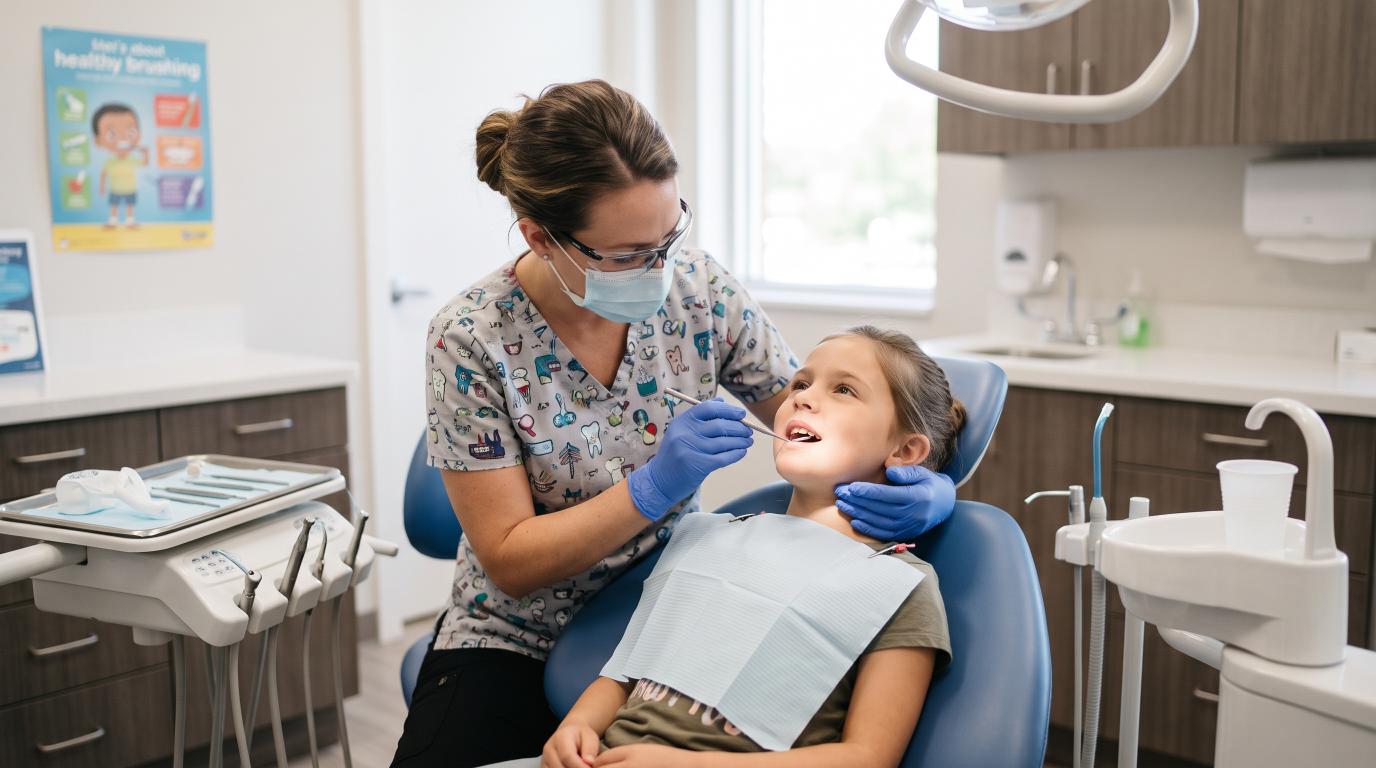
Yes, dental sealants are considered safe for children and adults when appropriate materials are used and properly applied by dental professionals. Some parents worry about bisphenol A, commonly called BPA, because certain resin-based dental materials can release very small amounts shortly after placement.
According to the American Dental Association’s review of BPA in dental materials, resin-based sealants may cause a small, temporary increase in BPA exposure. Current evidence does not show a known health threat from these low exposure levels.
Dentists can also use appropriate placement and finishing techniques to reduce unnecessary exposure. Patients with material allergies or specific medical concerns should discuss them with their dentist before getting sealants.
How Long Do Dental Sealants Last?
Dental sealants can protect teeth for several years, but their lifespan varies depending on the material, placement, and everyday wear. Chewing and other normal activities may gradually wear down the coating. During routine dental checkups, your dentist can examine the sealant to make sure it still covers the tooth’s grooves.
If part of the coating has chipped, worn away, or come loose, the dentist may recommend repairing or replacing it. Sealants do not eliminate the need for brushing, flossing, fluoride, or regular dental visits. Continued care helps protect the teeth and allows problems to be identified early.
How Much Do Dental Sealants Cost?
The cost of dental sealants depends on the number of teeth treated, the material used, the dental office, and insurance coverage. Sealants are generally charged per tooth. Treating several molars during one appointment may increase the total cost.
Many dental insurance plans cover sealants for eligible children, although age limits, tooth restrictions, and coverage amounts vary. Adult sealants may have different coverage rules or require out-of-pocket payment.
Before scheduling treatment, ask your dental office for an estimate and check whether your insurance plan includes preventive sealant coverage. Preventing a cavity may also help avoid the expense of restorative dental treatment later.
What Should You Do After Getting Dental Sealants?
After getting dental sealants, most patients can return to their usual activities immediately. Proper daily cleaning and routine dental examinations help maintain the protected teeth.
Eating and Drinking After the Procedure
Most patients can eat and drink normally once their dental sealants have fully hardened. Resin-based sealants usually harden during the appointment, so there is generally no waiting period.
However, instructions may vary depending on the material used. Follow any specific advice from your dentist. If your bite feels uncomfortable while eating, contact the dental office rather than trying to adjust the coating yourself.
Brushing, Flossing, and Everyday Oral Care
Continue brushing twice daily with fluoride toothpaste and cleaning between your teeth every day. Sealants protect the grooves of back teeth, but they do not prevent plaque from collecting along the gumline or between teeth. Regular dental visits allow the dentist to check both the sealants and the surrounding tooth structure. Children should receive help with brushing until they can clean their teeth properly on their own.
Signs a Sealant May Need to Be Checked
Contact your dentist if a sealant feels rough or uneven, appears chipped, or seems to have come loose. You should also arrange a dental check if your bite feels uncomfortable after treatment.
Sealants can wear down over time, and damage may not always be easy to notice at home. During routine dental visits, your dentist can check whether the coating remains intact and decide if it needs repair or replacement. Do not try to adjust or remove the sealant yourself.
Dental Sealants vs. Fluoride Treatment: What Is the Difference?
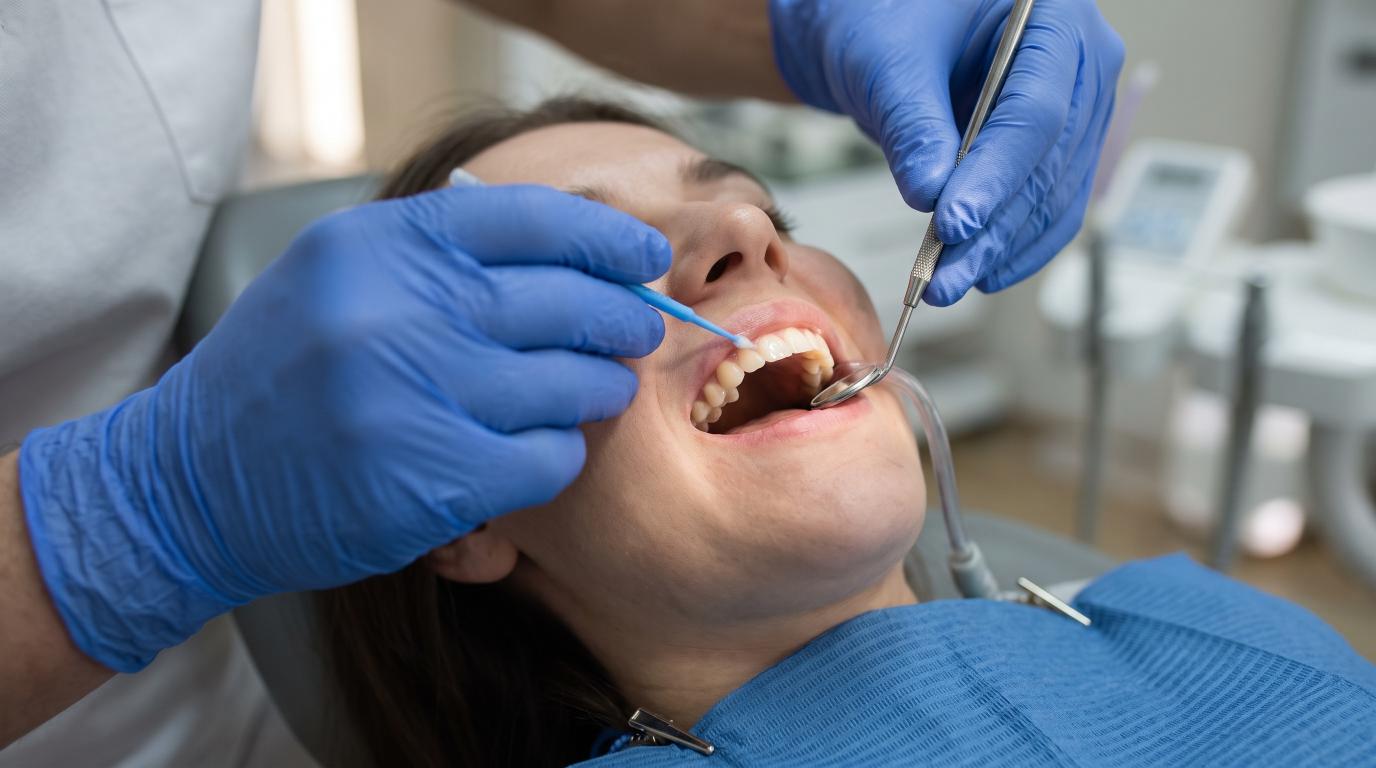
Dental sealants protect specific chewing surfaces by forming a physical barrier, while fluoride treatments strengthen enamel and help prevent or slow early tooth decay.
Both treatments help prevent cavities, but they work differently.
|
Feature |
Dental Sealants |
Fluoride Treatment |
|
Main purpose |
Protect deep grooves from cavities | Strengthen enamel against tooth decay |
| How it works | Forms a protective coating |
Supports enamel remineralization |
|
Application area |
Mainly chewing surfaces of back teeth | Can protect exposed tooth surfaces |
| Common patients | Children, teenagers, and selected adults |
Children and adults |
|
Application |
Material is placed into tooth grooves | Fluoride is applied as varnish, gel, or another form |
| Duration | Can remain for several years |
May require regular professional applications |
Sealants are especially useful for teeth with deep pits and fissures. Fluoride helps protect enamel against acid damage across a wider range of tooth surfaces. A dentist may recommend both treatments because they address different cavity risks.
Conclusion
Dental sealants help protect the chewing surfaces of back teeth from cavities by covering the deep grooves where food particles and bacteria can collect. They are especially useful for children with newly erupted permanent molars, although some adults may benefit as well.
Sealants can provide protection for several years, but they still need to be checked during regular dental visits. Brushing, flossing, and using fluoride toothpaste remain important parts of preventive dental care.
Choosing the right preventive treatment depends on your teeth and your risk of cavities. A dental examination can help determine whether sealants are a suitable option for you or your child.
Schedule a Dental Appointment to Discuss Sealants
Protect your family’s teeth with preventive dental care at Valencia Dental Care in Mesa, AZ. Our dental team can examine your teeth, assess your cavity risk, and determine whether dental sealants are right for you or your child. Schedule your appointment today to discuss dental sealants, treatment options, and costs. Contact Valencia Dental Care to book your visit.
Frequently Asked Questions
Can Dental Sealants Be Removed?
Yes, a dentist can remove dental sealants when necessary. However, removal is not usually needed unless the material is damaged, poorly attached, or interfering with treatment. Dentists often repair or replace sealants instead.
Are Dental Sealants Visible on Your Teeth?
Dental sealants may be clear, white, or slightly tinted, depending on the material. Most are difficult to notice because they are placed on the chewing surfaces of back teeth.
Can Dental Sealants Be Placed on Teeth With Existing Fillings?
Sometimes. A dentist may place sealants on healthy grooves that remain uncovered by a filling. The decision depends on the size, location, and condition of the existing restoration.
Can a Dental Sealant Affect Your Bite?
A newly placed sealant may occasionally feel too high when you close your teeth. The dentist can check your bite and adjust the material if necessary.
Do All Back Teeth Need Dental Sealants?
No, not every back tooth needs a sealant. Dentists consider groove depth, tooth condition, previous cavities, and individual risk before recommending treatment.
Can You Feel Dental Sealants With Your Tongue?
You may notice a slight difference in the texture of a tooth immediately after getting a sealant, but it should not feel significantly raised or uncomfortable. If the coating feels too high when you bite down or continues to bother you, contact your dentist to have it checked.