





In many cases, dental insurance does not pay the full cost of implants because they are often considered a major or elective dental procedure. However, some dental plans may cover part of the treatment cost, depending on the provider, plan type, waiting periods, and annual benefit limits.
Dental implants are one of the most effective ways to replace missing teeth because they look natural, improve chewing ability, and help preserve jawbone health. If you are in Mesa AZ, we are here to help you. Understanding what your insurance plan covers can help you avoid unexpected expenses and make informed decisions about your treatment options.
What Are Dental Implants?
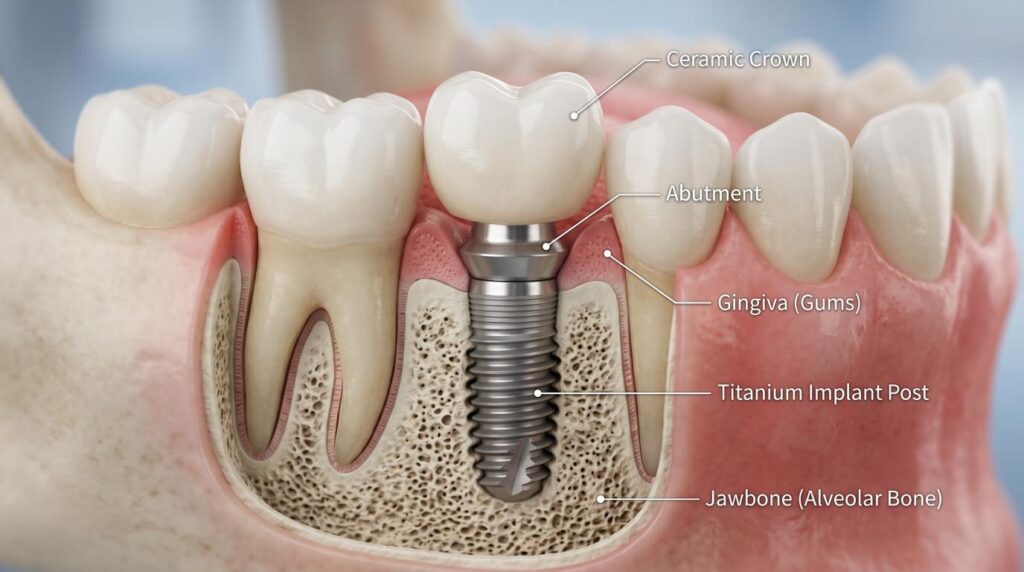
Dental implants are artificial tooth roots made from titanium. They are placed into the jawbone through surgery to replace missing teeth. The implants hold crowns, bridges, or dentures in place and act like natural tooth roots. Over time, the implant joins with the bone, creating a strong and secure fit. Dental implants are made to look natural, last for many years, help prevent bone loss, and improve chewing and speaking.
Does Dental Insurance Cover Implants?
Most dental insurance plans offer partial coverage at best, and many exclude implants entirely. According to the National Association of Dental Plans, some carriers do offer implant coverage, but they often limit it to one implant per year. Even when a plan does cover implants, the annual benefit caps are often far below the actual cost of treatment, which means you are still paying a large portion of the bill yourself.

Best Dental Insurance Companies for Implants
Some dental insurance providers offer better implant benefits than others. However, benefits vary by plan, state, waiting periods, and annual maximums. Before enrolling, review the policy details carefully to understand exactly what portion of implant treatment may be covered.
Types of Dental Insurance That May Cover Implants
Some dental insurance plans may help pay part of the cost of dental implants, but coverage can vary depending on the type of plan and provider.
PPO Dental Insurance Plans
PPO dental plans are one of the most flexible options and are more likely to include some coverage for dental implants. They usually let you choose your own dentist and may help pay part of the cost for major dental procedures after certain requirements are met. However, most plans have yearly coverage limits.
Full Coverage Dental Plans
Some full coverage dental plans may include implant benefits, but the term “full coverage” can be misleading. These plans often have higher monthly payments and usually cover only part of the implant treatment cost. There is also often a yearly limit on how much the insurance company will pay.
Employer-Sponsored Dental Insurance
Dental insurance offered through work can vary from one employer to another. Some plans may include implant coverage, while others may not. Checking your benefits information or speaking with your HR department is the best way to understand your coverage.
Private Dental Insurance Plans
Private dental insurance plans purchased individually can offer different levels of implant coverage. Some plans are designed to provide better benefits for major dental work, including implants. These plans may have higher monthly costs and waiting periods before implant coverage begins.
Discount Dental Plans vs Insurance
Discount dental plans are not insurance plans. Instead, they work like membership programs that give reduced prices at certain dental offices. These plans can help lower the cost of implants and may be useful if your regular insurance provides limited coverage.
How Much Do Dental Implants Cost Without Insurance?
Without insurance, dental implants are a significant out-of-pocket expense. A single tooth replacement costs considerably more than most people expect, and the price climbs even higher when you need multiple teeth or a full mouth restoration.
What makes it even more expensive is the additional procedures that are often required before the implant can even be placed. Things like bone grafting, sinus lifts, sedation, and temporary teeth can all add to your total bill.
What Does Dental Insurance Usually Pay For?
Dental insurance is designed to cover the basics, not the big stuff. Most plans pay for routine preventive care like cleanings and checkups at a high rate because insurers want you to catch problems early. From there, coverage drops as the procedures get more complex and expensive.
Basic work like fillings and simple extractions gets partial coverage, and major procedures like crowns, bridges, and root canals get even less. Implants sit at the very top of the cost scale, which is why most plans either cover them at a low percentage or skip them entirely. Even when implants fall under the major procedure category, the annual maximum your plan pays out often runs out quickly, leaving you to handle the rest on your own.

Common Limitations and Exclusions
Most people find out about their plan’s limitations only after they are already in the dentist’s chair, which is the worst time to get a surprise.
Dental insurance comes with several built-in restrictions that can seriously reduce how much help you actually get for implants.
Waiting periods mean you often have to be enrolled for months before major benefits even kick in. Annual maximums put a hard ceiling on what your plan will pay out in a year, and that limit can be reached quickly with implant treatment.
The missing tooth clause is one of the biggest catches, as many plans refuse to cover any tooth that was already missing before you signed up.
On top of that, some insurers flat out exclude implants by labeling them cosmetic, and pre-existing condition restrictions can further limit what you are eligible for.
Are Dental Implants Ever Covered by Medicare or Medicaid?
Medicare and Medicaid may cover certain dental implant treatments in limited situations, but coverage depends on medical need and the type of plan you have.
Medicare Implant Coverage
Traditional Medicare, which is Parts A and B, does not cover dental implants in most cases. Medicare was not designed to cover routine dental care. Some Medicare Advantage plans (Part C) offered through private insurers do include dental benefits, and a small number of those plans may offer limited implant coverage. If you are on Medicare, review your specific Advantage plan’s dental benefits carefully, as they vary significantly from one plan to another.
Medicaid Coverage Rules by State
Medicaid dental coverage depends on which state you live in. Most states provide only emergency dental care for adult Medicaid enrollees, which means implants are generally not covered. A handful of states have expanded their Medicaid dental benefits to include more comprehensive services, but full implant coverage through Medicaid remains rare.
When Medical Insurance May Help Cover Implant Costs
There are cases where your regular medical insurance, not dental insurance, may contribute to implant costs. If tooth loss was caused by an accident, or a medically necessary surgery, your medical insurer may cover part of the reconstructive dental work. Getting a letter of medical necessity from your doctor or dentist and submitting a pre-authorization request to your medical insurer is worth trying in these situations.
How to Check if Your Dental Insurance Covers Implants
The easiest way to find out is to call the member services number on your insurance card and ask directly whether your plan covers dental implants. Do not assume anything based on plan names or marketing materials. Ask about coverage percentages, waiting periods, annual maximums, and whether a missing tooth clause applies.
It also helps to ask your dentist’s office to submit a pre-authorization request before any treatment begins. This gives you a written estimate of exactly what your insurance will pay and what you will owe, so there are no surprises when the bill arrives.
Ways to Make Dental Implants More Affordable
If your insurance does not cover much, financing is one of the most practical ways to move forward. Many dental practices also offer their own in-house payment plans, so it is always worth asking your dentist directly what they can work out for you.
Beyond financing, using a Health Savings Account or Flexible Spending Account lets you pay with pre-tax dollars, which reduces your overall cost. Dental schools and in-house membership programs at dental offices are also worth looking into as more affordable alternatives. Some dental offices also run their own membership programs that include discounts on major procedures like implants, which can be a good fit if you have no insurance coverage at all.
How Long Do Dental Implants Last?
Dental implants have a success rate of over 95% when placed by a qualified professional in a patient with good oral health and adequate bone density.

Maintenance and Oral Care
Implants do not decay like natural teeth, but the gum tissue around them can still become inflamed if oral hygiene is neglected. Daily brushing and flossing around the implant, combined with regular dental cleanings, keeps the area healthy. The implant post itself can last a lifetime. The crown on top may need to be replaced after 10 to 15 years depending on the material and how well it is maintained.
Factors That Affect Implant Lifespan
Smoking significantly reduces implant success rates and should be stopped before and after the procedure. Uncontrolled diabetes, certain medications, and poor bone density can also affect how well an implant heals and lasts long term. Your dentist will evaluate all of these factors before recommending implants as the right solution for you.
Ready to find out if your smile is a good candidate for dental implants?
If you live in Mesa AZ, or the surrounding area and are considering dental implants, the team at Valencia Dental Care is here to help. We provide personalized treatment recommendations, clear cost estimates, and guidance on insurance coverage so you can make informed decisions about your oral health. Contact us today to learn more about your options and take the next step toward restoring your smile with confidence.
Conclusion
Dental insurance and dental implants are not always a perfect match. Most plans were not built with implants in mind, and the coverage gaps can catch people off guard. But knowing how your plan works, what it excludes, and what alternatives exist puts you in a much stronger position before you ever sit in the dentist’s chair.
Take time to review your current policy, ask the right questions, and explore every option available to you. Understanding whether dental insurance covers implants can help you plan treatment costs and avoid unexpected expenses. The right information now saves you from costly surprises later.
Frequently Asked Questions
What is the best dental insurance for implants?
Plans from Spirit Dental, Delta Dental PPO Premium plans, and some Guardian and Humana PPO plans are frequently cited as better options for implant coverage. Spirit Dental in particular markets plans with higher lifetime implant benefit limits.
Are implants considered cosmetic?
By many insurance companies, yes. They classify implants as elective or cosmetic because alternatives like bridges and dentures exist at a lower cost. However, from a medical standpoint, implants are often the most appropriate long-term treatment for preserving jawbone and oral health.
Can I get insurance after losing a tooth?
Yes, you can enroll in a dental plan after tooth loss. But be aware of the missing tooth clause. Many plans will not cover the replacement of a tooth that was already missing before you enrolled. Look for plans that do not have this clause if you need to replace a tooth you lost recently.
Does medical insurance ever cover dental implants?
If tooth loss resulted from an accident, a medical condition, or a medically necessary procedure, your health insurance may cover part of the cost. It requires a letter of medical necessity and a pre-authorization request, but it is worth pursuing if your situation qualifies.
Are dental implants worth the money?
For most people who are good candidates, yes. They preserve jawbone, function like natural teeth, and do not require adjacent teeth to be altered. Over a 20-year period, the long-term cost of implants often compares favorably to the repeated costs of maintaining and replacing bridges or dentures.
Does Delta Dental Cover Implants?
Coverage varies by plan. Some Delta Dental PPO plans offer partial coverage for dental implants, while others may exclude them. Always review your specific policy details before starting treatment.
Can I Get Dental Insurance That Covers Implants Immediately?
Some plans offer implant coverage with shorter waiting periods, but many require you to wait several months before major dental benefits become available. Always review waiting period requirements before enrolling.
How Long Is the Waiting Period for Implant Coverage?
Waiting periods vary by provider and plan. Many dental insurance plans require a waiting period of 6 to 12 months before covering major procedures such as dental implants.
Is Financing Available for Dental Implants?
Many dental offices offer financing plans that allow patients to spread treatment costs into monthly payments. Third-party financing options may also be available.
Are Dental Implants Covered After an Accident?
In some situations, medical insurance may help cover implant-related costs if tooth loss resulted from an accident, injury, or medically necessary treatment.