
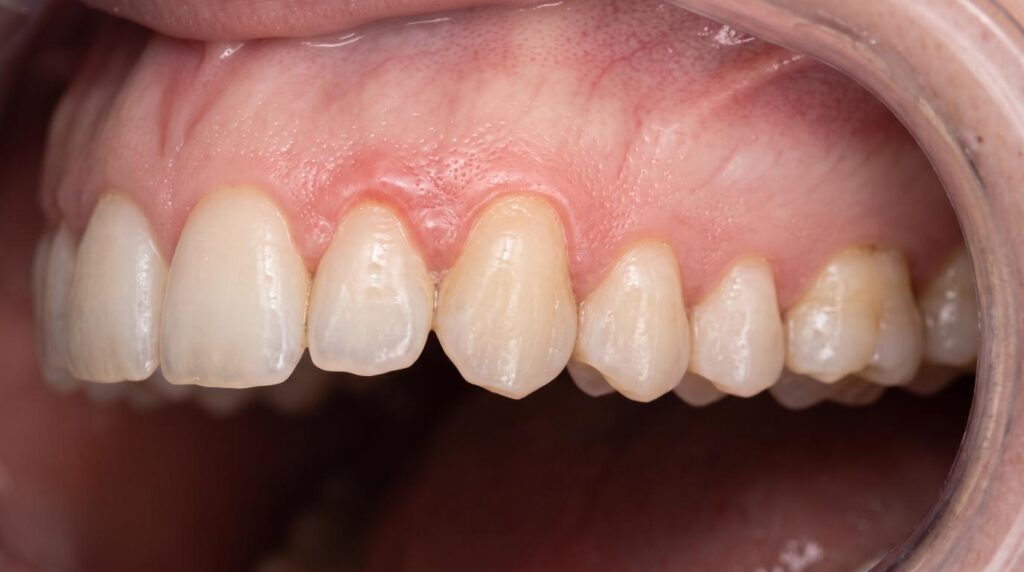





Gum disease is mainly caused by bacterial plaque that builds up along the gumline. When plaque is not removed, it can irritate the gums, trigger inflammation, and lead to gingivitis. If the inflammation progresses, it may damage the tissues and bone supporting the teeth. Smoking, diabetes, and other factors can also increase the risk.
At Valencia Dental Care in Mesa, AZ, our team helps patients understand what causes gum disease, recognize early warning signs, and take practical steps to protect their gums. Learning what causes gum disease, identifying early symptoms, and following proper prevention habits can help reduce the risk of lasting gum damage.
What Causes Gum Disease?
The main cause of gum disease is the accumulation of bacterial plaque on the teeth and along the gumline. Plaque contains bacteria that trigger an inflammatory response in the surrounding gum tissue. Without proper cleaning, plaque can harden into tartar, making bacterial buildup more difficult to control. Over time, persistent inflammation may affect the structures that support the teeth.
Plaque Buildup Along the Gumline
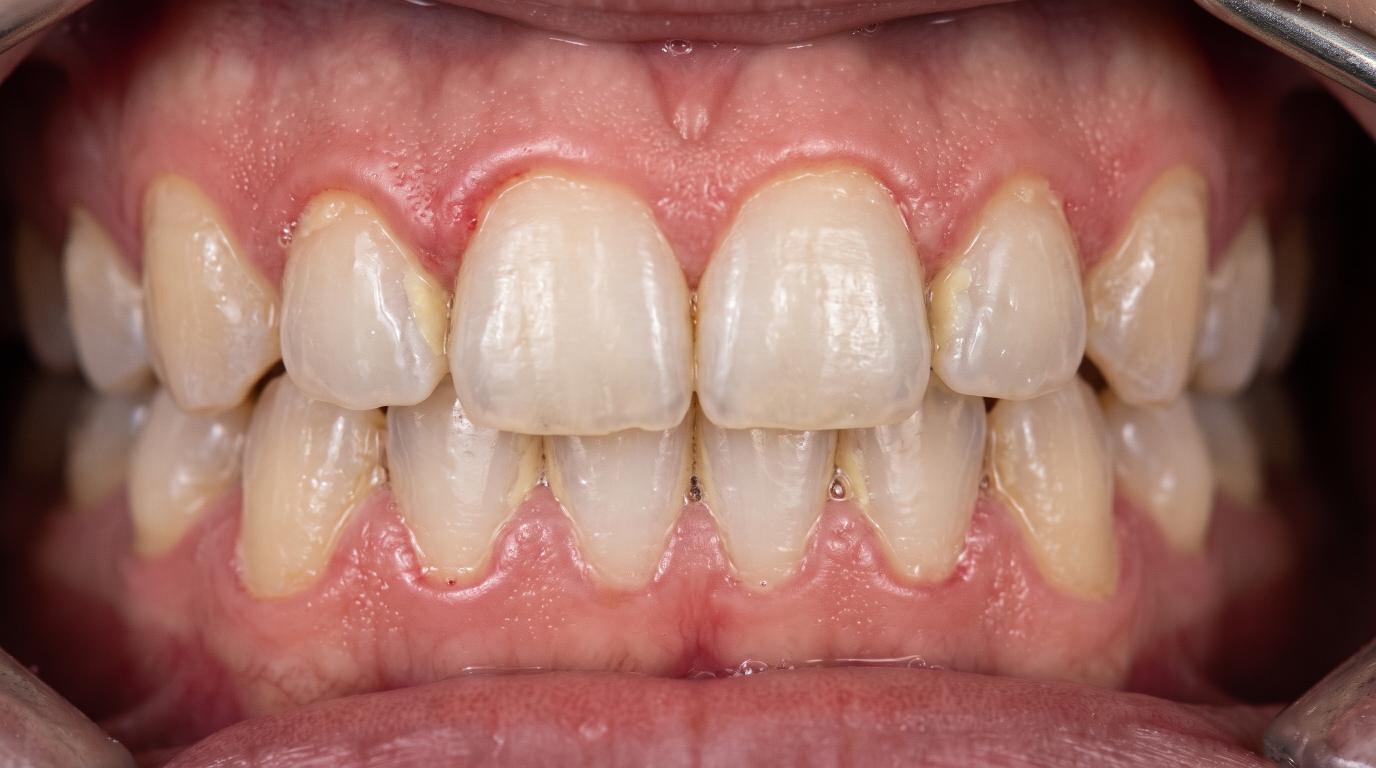
Plaque is a sticky, nearly colorless film of bacteria that constantly forms on the teeth. These bacteria collect around the gumline and between teeth, especially in areas that are difficult to clean.
When bacterial plaque remains on the teeth, it can cause the gums to become irritated, red, and swollen. Regular brushing and cleaning between the teeth help remove plaque before it causes inflammation.
According to the National Institute of Dental and Craniofacial Research, plaque and tartar contain bacteria that can trigger inflammation and damage the tissues supporting the teeth.
Tartar Formation and Gum Inflammation
When plaque is not removed, minerals in saliva can cause it to harden into tartar, also called dental calculus. Unlike soft plaque, tartar cannot be removed with normal brushing or flossing and requires professional dental cleaning.
Tartar buildup makes it harder to clean the tooth surface near the gums. As bacteria continue to accumulate, the body’s inflammatory response can lead to gingivitis, which commonly causes bleeding, swelling, and redness.
How Do You Get Gum Disease?
Gum disease develops when bacteria in dental plaque build up near the gums and cause persistent inflammation. Early gum inflammation is called gingivitis. At this stage, the tissues supporting the teeth have not suffered the bone loss associated with periodontitis. If gingivitis remains untreated, some people may develop periodontitis.
In this more serious condition, the gums can pull away from the teeth, forming deeper spaces called periodontal pockets. These pockets collect bacteria and become difficult to clean at home. Ongoing inflammation can damage the connective tissues and bone that support the teeth. Not everyone with gingivitis develops periodontitis, but untreated inflammation increases the risk of more serious problems.
What Increases Your Risk of Gum Disease?
Understanding what causes gum disease also means recognizing the factors that increase your risk. Although bacterial plaque is the primary cause, smoking, diabetes, certain health conditions, and daily habits can affect how the gums respond to bacteria. Some people are more likely to develop serious inflammation even when they follow a regular oral hygiene routine. Understanding these risk factors can help you recognize when additional preventive care may be necessary.
Smoking and Tobacco Use
Smoking is one of the strongest risk factors for developing periodontitis. Tobacco use affects the immune response, reduces the body’s ability to fight gum infections, and can interfere with healing after periodontal treatment. Smoking may also reduce visible gum bleeding, making inflammation harder to notice. People who smoke can therefore have significant periodontal problems without obvious early warning signs. Quitting tobacco can support healthier gums and improve the response to periodontal care.
Diabetes and Other Health Conditions
People with diabetes, especially those with poorly controlled blood sugar, have an increased risk of gum disease. High blood sugar can affect the immune response and make periodontal inflammation more difficult to control. The relationship can also work in the opposite direction. Severe periodontal inflammation may make blood sugar management more difficult. Certain immune-related conditions and other health problems can also affect gum health. Patients with chronic medical conditions should share their health history during dental appointments.
Hormonal Changes, Genetics, and Age
Hormonal changes during puberty, pregnancy, and menopause can increase gum sensitivity and the inflammatory response to plaque. These changes do not directly cause gum disease, but they can make existing gum inflammation more noticeable. Genetics also influence susceptibility. Some people have a family history of periodontal disease and may develop problems despite consistent oral hygiene. Periodontitis becomes more common with increasing age, although gum disease is not an unavoidable part of aging.
Dry Mouth, Oral Hygiene, and Hard-to-Clean Teeth
Poor oral hygiene allows plaque to remain on the teeth and is a major contributor to gingivitis. Missing areas during brushing or failing to clean between teeth can encourage bacterial buildup.
Other factors can make plaque harder to control:
- Dry mouth: Certain medications and health conditions reduce saliva production, which can make it harder for the mouth to naturally clear food debris and bacteria.
- Crowded or misaligned teeth: Tight spaces and irregular tooth positions may make thorough cleaning difficult.
- Poorly fitting dental restorations: Certain restoration problems may create areas where plaque collects.
- Chronic stress: Stress is associated with periodontal disease and may also affect oral care habits and the immune response.
Nutrition and certain medications may also influence gum health. These factors should be considered alongside plaque control rather than treated as independent causes of gum disease.
What Are the Early Signs of Gum Disease?
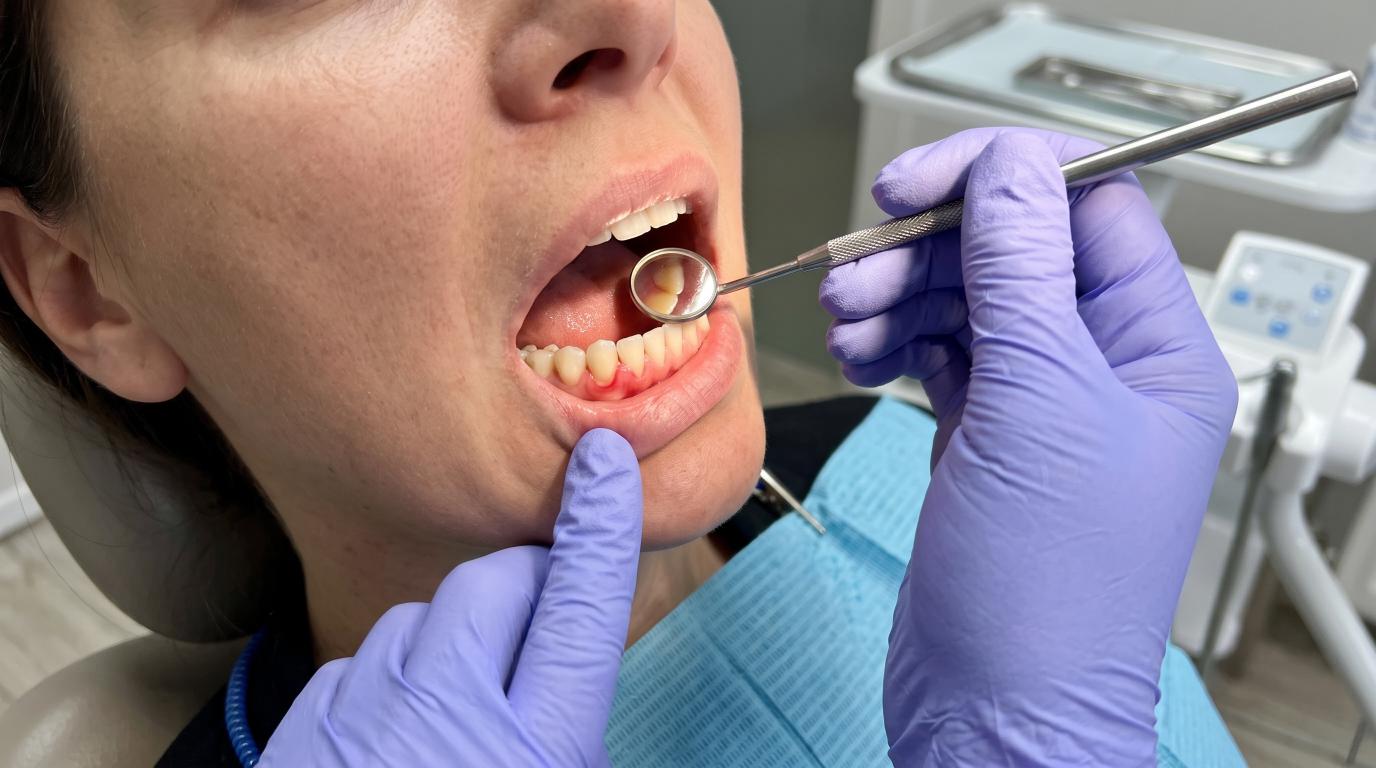
The earliest signs of gum disease often include bleeding, redness, swelling, and tenderness around the gums. Some people experience very little discomfort, making the condition easy to overlook. Recognizing changes in gum appearance or sensation can help identify problems before more serious damage develops.
Common warning signs include:
- Bleeding gums: Gums that bleed repeatedly during brushing or flossing may be inflamed. Occasional bleeding can have other causes, including brushing too aggressively, but persistent bleeding deserves evaluation.
- Red or swollen gums: Inflammation may cause the gum tissue to look redder, darker, or puffier than usual. The affected area may also feel tender.
- Persistent bad breath: Bacteria around the teeth and gums can contribute to ongoing bad breath or an unpleasant taste. Other oral and medical conditions can also cause these symptoms.
- Receding gums: When gum tissue pulls away from the teeth, the teeth may appear longer. Recession has several possible causes, including periodontal disease.
- Increased tooth sensitivity: Exposed root surfaces caused by gum recession can make teeth more sensitive to cold, heat, or touch.
- Pain while chewing: Discomfort when biting or chewing may occur with more advanced periodontal problems, although several other dental conditions can cause similar pain.
- Loose or shifting teeth: Damage to the tissues and bone supporting the teeth may cause movement or changes in the way the teeth fit together. This requires prompt professional assessment.
Important: Gum disease does not always cause pain. Persistent bleeding, swelling, or changes in gum position should not be ignored simply because the teeth feel comfortable.
Gingivitis vs. Periodontitis
Gingivitis and periodontitis are both forms of gum disease, but they affect different structures and require different levels of care. Gingivitis involves inflammation of the gums without the supporting bone loss seen in periodontitis. Periodontitis affects the deeper tissues that help keep teeth stable.
| Feature | Gingivitis | Periodontitis |
|---|---|---|
| Affected tissues | Gum tissue | Gums, connective tissue, and supporting bone |
| Common symptoms | Redness, swelling, and bleeding | Bleeding, recession, deeper pockets, and possible loose teeth |
| Bone loss | No periodontal bone loss | Bone loss may occur |
| Reversibility | Usually reversible with appropriate care | Existing attachment and bone loss cannot simply be reversed |
| Treatment | Improved plaque control and professional cleaning when needed | Periodontal treatment and ongoing maintenance |
The Centers for Disease Control and Prevention explains that gingivitis is reversible, while periodontitis causes damage that requires professional management. Early evaluation matters because gum inflammation can often be controlled before permanent damage to the supporting tissues occurs.
How Is Gum Disease Diagnosed?
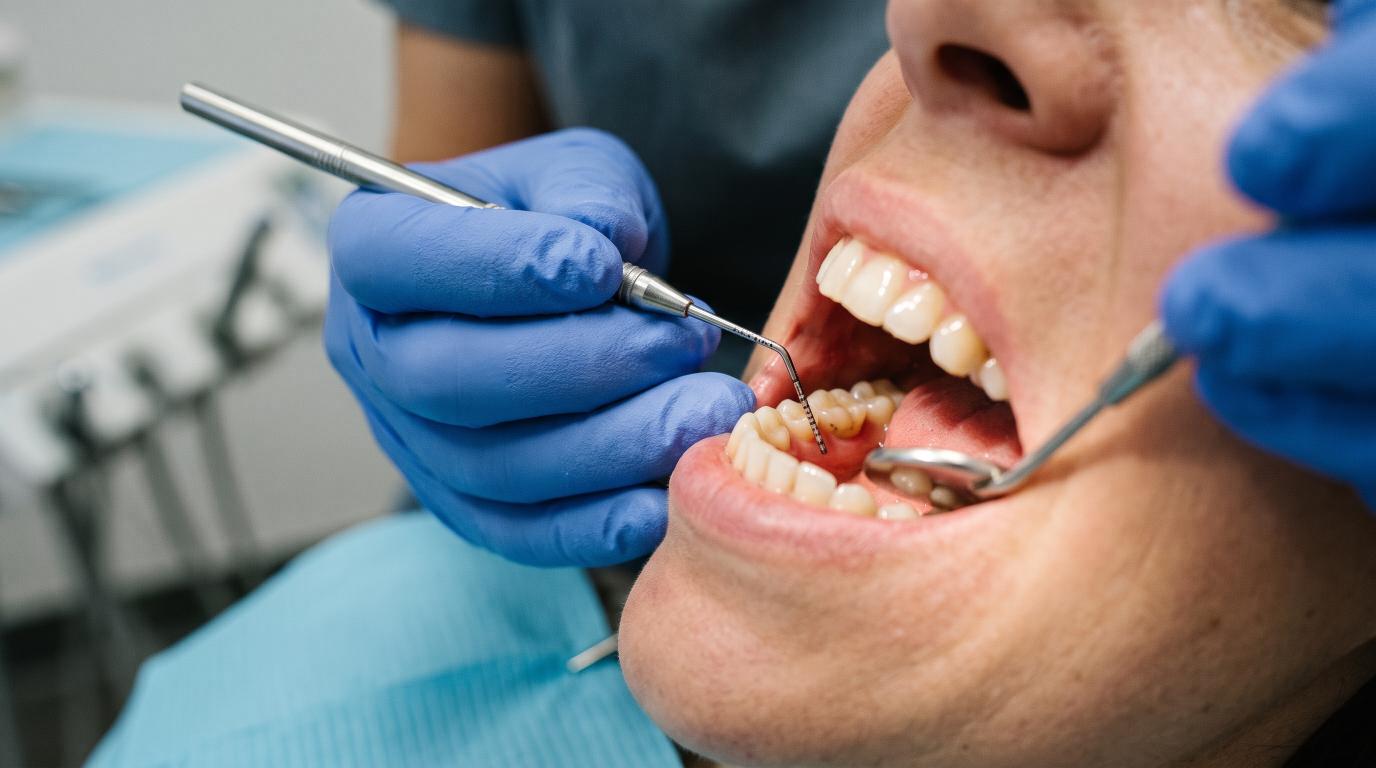
Gum disease is diagnosed through a dental examination that evaluates the gums, teeth, and surrounding supporting structures. During the examination, our dental team may check for inflammation, bleeding, gum recession, and plaque or tartar buildup. A small measuring instrument called a periodontal probe can be used to measure the spaces between the teeth and gums. Healthy periodontal pockets are commonly between 1 and 3 millimeters deep. Deeper measurements, especially when combined with bleeding or attachment loss, may indicate periodontal problems. Dental X-rays may also be recommended to check for bone loss around the teeth. The findings help determine whether the patient has gingivitis, periodontitis, or another condition. You can learn more about gum disease and the available care options on our treatment page.
Can Gum Disease Be Reversed?
Gingivitis can usually be reversed, but periodontitis cannot be completely reversed once permanent damage to the supporting tissues has occurred. Treatment depends on the severity of inflammation, the amount of plaque and tartar, and whether periodontal attachment or bone loss is present. For gingivitis, removing plaque regularly and receiving professional cleaning when needed can help the gum tissue return to a healthier condition. The time required for improvement varies according to the extent of inflammation and consistency of care. For periodontitis, treatment focuses on controlling infection and inflammation, limiting further damage, and helping patients maintain their teeth.
A common nonsurgical treatment is scaling and root planing, which removes plaque and tartar from affected root surfaces below the gumline. This may reduce inflammation and improve periodontal pocket depths. More advanced cases may require additional treatment or a referral to a periodontist. Some patients may benefit from surgical procedures, depending on their clinical findings. Although lost bone and attachment are not routinely restored by standard cleaning, successful treatment and regular periodontal maintenance can help keep the condition stable.
How Can You Prevent Gum Disease?

Preventing gum disease mainly involves controlling plaque, reducing avoidable risk factors, and attending regular dental appointments. Good daily oral hygiene can help prevent gingivitis and reduce the risk of more advanced periodontal problems.
The following habits support healthier gums:
- Brush twice daily with fluoride toothpaste. Use a soft-bristled toothbrush and gently clean along the gumline for about two minutes. Avoid excessive pressure, which can irritate gum tissue.
- Clean between your teeth every day. Dental floss, interdental brushes, or other appropriate cleaning tools help remove plaque from areas a toothbrush cannot reach.
- Get professional dental cleanings. Hardened tartar requires professional removal. The frequency of appointments should depend on individual gum health, disease history, and risk factors.
- Avoid smoking and tobacco products. Stopping tobacco use reduces an important risk factor and can support better periodontal treatment outcomes.
- Manage existing health conditions. Maintaining blood sugar control and discussing medication-related oral side effects with healthcare professionals can support gum health.
- Maintain a balanced diet. A nutritious diet supports general health and normal immune function. Reducing frequent sugary snacks may also benefit overall oral health.
- Ask about mouthwash when appropriate. Certain antimicrobial mouthwashes can help reduce plaque and gingivitis, but they do not replace brushing or cleaning between teeth.
An electric toothbrush may be helpful for people who struggle to clean effectively with a manual brush. However, good technique and consistent use matter more than choosing the most expensive device. The American Dental Association’s guidance on interdental cleaning explains why cleaning between teeth is important for plaque control. Research published in the Journal of Clinical Periodontology, including a scientific consensus paper on preventing periodontitis through gingivitis management, also emphasizes the importance of managing gingival inflammation as part of periodontal prevention.
When Should You See a Dentist for Gum Symptoms?
You should arrange a dental examination if your gums bleed repeatedly, remain swollen, or show signs of recession. Persistent bad breath, gum tenderness, or changes in tooth sensitivity may also indicate a problem that needs evaluation. Do not wait for severe pain before seeking care. Early periodontal disease may cause few noticeable symptoms, even when inflammation is present.
Loose teeth, significant gum swelling, pus around the gums, or increasing pain require prompt dental attention. Facial swelling accompanied by fever, difficulty swallowing, or breathing problems requires emergency medical care. A dental examination can help identify the cause of these symptoms and determine whether cleaning, periodontal treatment, or another form of care is necessary.
Protect Your Gums With Valencia Dental Care in Mesa, AZ
Bleeding gums, persistent bad breath, and gum sensitivity may be early signs of a problem that needs professional attention. Addressing these symptoms early can help reduce the risk of more serious periodontal damage. At Valencia Dental Care in Mesa, AZ, our dental team provides oral examinations, professional cleanings, and gum health evaluations to help patients understand their periodontal condition. We can assess areas of inflammation, explain treatment options when needed, and recommend practical steps for maintaining healthier gums at home. If you have noticed bleeding, swelling, gum recession, or other changes in your mouth, schedule a dental visit with our team. We are here to help you understand your symptoms and make informed decisions about your oral health.
Conclusion
The primary cause of gum disease is bacterial plaque buildup along the gumline. When plaque is not removed, it can trigger inflammation, lead to gingivitis, and potentially contribute to periodontitis. Smoking, diabetes, hormonal changes, and other risk factors can increase susceptibility or make the condition more difficult to manage.
Daily brushing, cleaning between teeth, avoiding tobacco, and professional dental care are important steps toward maintaining healthy gums. Recognizing early warning signs and seeking evaluation when symptoms persist can help protect the tissues supporting your teeth.
Frequently Asked Questions
What Is the Most Common Cause of Gum Disease?
The most common cause is bacterial plaque buildup along the gumline. When plaque remains on the teeth, it can trigger inflammation and lead to gingivitis.
Can You Get Gum Disease Even If You Brush Every Day?
Yes. Plaque can remain between teeth or below the gumline despite regular brushing. Smoking, diabetes, genetics, and other factors may also increase the risk.
How Quickly Can Gingivitis Go Away?
Gingivitis may improve within days to weeks with effective plaque removal and appropriate professional care. Recovery depends on the severity of inflammation and how consistently the gums are cleaned.
Is Bleeding When Flossing a Sign of Gum Disease?
Repeated bleeding may indicate gingivitis, although brushing or flossing too aggressively can also cause bleeding. Persistent symptoms should be checked during a dental examination.
Can Untreated Gum Disease Cause Tooth Loss?
Yes. Advanced periodontitis can damage the bone and connective tissues supporting the teeth. Without effective treatment, affected teeth may become loose or eventually be lost.
Does Smoking Make Gum Disease Worse?
Yes. Smoking increases the risk of periodontitis, affects the immune response, and can reduce the success of periodontal treatment. It may also make gum bleeding less noticeable.