
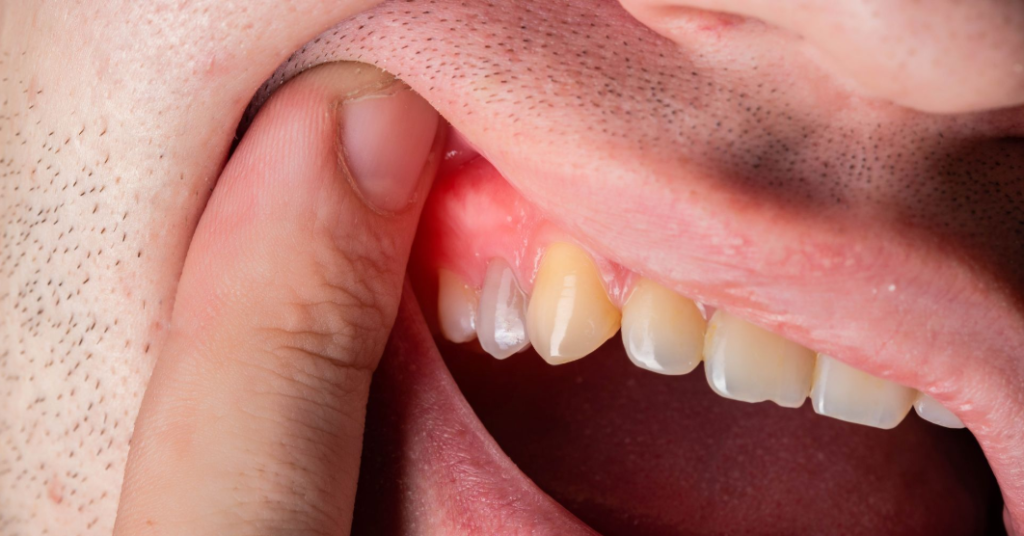





Swollen gum is a common type of oral problem. They mostly show red gums and swollen gum, which tends to feel tender. You may experience pain or discomfort when eating or brushing. Swollen gum may be an indication of some ailment in the body. Therefore, it helps to know what causes them and their treatment.
Common Causes of Swollen Gums
Gingivitis and gum disease
It is the early symptom of gingivitis, it occurs as a result of plaque accumulation on your teeth. The plaque harbors bacteria that irritate the gums. Symptoms include red, swollen, tender teeth that may bleed upon brushing or flossing. If gingivitis gums are not treated, it may progress to a more serious condition like periodicities that can result in the loss of teeth.
Poor Oral Hygiene
Improper care of teeth may lead to sensitive gums. Food debris and plaque accumulation in the mouth causes irritation and the growth of bacteria. Eventually, this accumulation turns into a hard deposit called tartar, further irritating the inflamed gum so that it swells and becomes infected gums. Routine oral care is necessary to prevent gum disorder.
Food Stuck in Teeth
Particles of food trapped between the teeth may very well cause swelling and irritation. Hard food or foods with sharp edges, such as popcorn kernels and seeds, may traumatize the gum and lead to gum hurt and inflammation. If food stays stuck in the gum for a longer time it may cause bacteria to grow, leading to an infection of the gums. Daily flossing will ensure laid-back food removal as well as lowering swelling.
Hormonal Changes
Hormonal alterations also influence blood circulation in the gum. During pregnancy, puberty, or menopause, the gums undergo sensitivity and increase swelling. This is potentially exacerbated by easy bleeding and tenderness. Pregnancy gingivitis is often exhibited by the pregnant woman due to hormonal changes. Therefore, specific oral care, which includes dental check-ups, needs to be given at these times.
Vitamin Deficiencies
Definition of important vitamins, especially vitamin C and vitamin D, can lead to gums swollen. Vitamin C is necessary for collagen production for keeping the gums healthy. Vitamin C deficiency can lead to scurvy, bleeding, swollen gums, and possibly tooth loss. Vitamin D aids in calcium absorption, which is necessary for healthy teeth and gums. A balanced diet with ample fresh fruits, vegetables, and dairy products helps to keep gum healthy.
Irritation from Braces or Dentures
Braces, dentures, and other dental applications can cause gum irritation. III-fitting devices can cause swelling, gum pain, and cuts in the mouth. Friction from appliances upon the gum can cause discomfort and inflammation. Regular checkup appointments allow your dentist to check the fit, which thereby minimizes the irritation. Sore gum can be managed by using orthodontic wax and maintaining good oral hygiene.
Other Medical Condition
Several diseases are known to cause gum swelling, among these are diabetes, leukemia, and autoimmune disorders. As such, diabetics are susceptible to infections that cause swelling gums because elevated levels of blood glucose promote bacterial buildup in the mouth.
Some drugs used everywhere may cause gum swelling in a patient, including those treating blood pressure or providing immunosuppression. If you maintain gum problems on and off, a visit to the dentist would be advisable for assessment and treatment.
How to Treat Swollen Gums
Professional Treatments from a Dentist

It is important to visit a dentist for teeth cleaning and removing plaque from the teeth. The dentist may recommend special mouthwashes, antibiotics, or medicines to destroy infections and inflammation. In very serious cases, scaling and root planning might be advised. These procedures help eliminate tartar below the gum line, leading to enhanced healing from several conditions.
Swollen gums treatment at home _ Gum Pain Relief
Saltwater Rinse
Swollen gum can be treated and bacteria eliminated using a saline rinse. Just take a spoonful of salt, mix it in some warm water, and gargle the mouth several times a day. Such simple remedies would relieve the discomfort and promote healing of affected gum.
Proper Brushing and Flossing
Brush your teeth twice daily using a bristled toothbrush and gentle stroke so as not to irritate any further. Use fluoride toothpaste to floss daily for the removal of plaque or food bits that lead to gum swelling. Avoid vigorous tooth brushing, it can injure the gum tissues.
Cold and Warm Compresses
A cold compress can make swelling subside, while the warmth ends up making the pain in the gums go away. After placing a cold pack wrapped in a cloth on the affected part for about 10 minutes, follow that with a warm compress on the same spot to promote blood circulation and ease those discomforts.
Herbal Remedies
Aloe vera gel, turmeric paste, and clove oil have anti-flammerly and anti-bacterial properties. These natural remedies may help lower the swelling and discomfort of gums. Green tea is also rich in antioxidants that promote gum health.
How to Prevent Swollen Gums
Daily Oral Care Routine

Daily brushing and flossing help remove plaque from the surface of teeth and prevent gum inflammation. Use an antibacterial mouthwash to kill germs and reduce the risk of gum disease. Regular dental checkups and professional cleaning play an important part in keeping your gums healthy.
Healthy Diet for Gum Health
A vitamin and mineral-rich diet favors gum health. Consumes food with vitamin C such as oranges, bell peppers, and strawberries to strengthen gum tissues. Calcium is provided by dairy products such as milk and cheese for healthy teeth and bones. Cut back on sugars and proceed with food that helps in building up plaque.
When to Visit a Dentist
If the swelling does not go down after a few days visit a dentist. Other warning signs include continued gum bleeding, painful gums, and foul odor pud in the gum. They mostly point towards serious problems. Early swollen gums treatment helps in the prevention of complications such as gum disease and tooth loss.
Frequently Asked Questions
Why is my gum swollen around one tooth?
The reason for swollen gums surrounding a tooth could be due to food trapped in between the teeth, dental caries, or abscesses. An untreated abscess can lead to severe pain along with a more extensive spread of infection within the body. The dentist will check the source and possible treatment.
Can swollen gums heal on their own?
Mild swelling sometimes clears up with appropriate management. If the swelling remains there for longer than a week, the patient should receive a clinical evaluation. Untreated gum inflammation can result in further progression to other complications, such as gum diseases.
Is it normal to have swollen gums with braces?
Braces sometimes irritate gum or inflame the gum around the bracketing, wires, and other components used when placing them. Between these braces and wires, food and plaque may accumulate and contribute to the number of bacteria able to cause gum inflammation. Good gum hygiene, orthodontic wax application, and regular orthodontic checks will help alleviate major problems.
When should I see a dentist?
Consult with Valencia Dental Care dentist for any symptoms that include swelling for over a week, any form of discomfort or painful sensation, bleeding, pus, or even halitosis (a bad odor coming from the mouth). All these symptoms, when treated early enough, will prevent major problems with the gums and keep a check on the mouth’s health.
Conclusion
Swollen gums are a widespread phenomenon, however, they should never be ignored. They may arise due to poor hygiene, gum disease, or medical conditions. Adequate oral hygiene, a healthy lifestyle, and regular dentist visits will help starve away gum problems. In the case of persistent symptoms, a qualified dental practitioner would help prevent complications. Therefore, early action will keep those gums and teeth healthy for a lifetime.