




Starting your baby’s dental care early is one of the most important steps for their lifelong oral health. You should begin brushing as soon as the first tooth appears, typically around 6 months of age, but oral care actually starts even earlier with newborn gum cleaning. This comprehensive guide covers everything parents need to know about baby dental care, from proper brushing techniques and product selection to handling teething challenges and establishing healthy habits that last a lifetime.
When Should You Start Brushing Baby Teeth?
The golden rule of baby dental care is simple: start brushing as soon as that first tooth appears. Understanding the timeline of tooth development and the importance of early dental care will help you protect your baby’s emerging teeth from the very beginning.
When Do Baby Teeth First Appear?
Most babies get their first tooth between 4 and 7 months of age, though this varies considerably. Some babies are born with teeth, while others don’t see their first tooth until after their first birthday. The lower front teeth typically arrive first, followed by the upper front teeth. By age three, most children have a complete set of 20 primary teeth.
Brush Your Baby’s Teeth as Soon as They Erupt
The moment you spot that first tooth breaking through the gum line, it’s time to start brushing. Use a soft-bristled baby toothbrush with a small head and a rice-grain-sized smear of fluoride toothpaste. Many parents mistakenly believe baby teeth don’t need much attention since they’ll eventually fall out. This couldn’t be further from the truth—baby teeth hold space for permanent teeth and guide them into proper position.
Why Early Brushing Is Important for Baby Teeth
Starting oral care early prevents tooth decay, which can occur as soon as teeth appear. Baby bottle tooth decay is a real concern, especially for infants who fall asleep with bottles containing milk or juice. Beyond preventing cavities, early brushing establishes a routine that becomes second nature as your child grows.
Should You Brush a Baby’s Gums Before Teeth Come In?
Oral care doesn’t wait for teeth to appear. In fact, you should begin caring for your baby’s mouth from day one. Starting gum care before teeth erupt helps establish good oral hygiene habits and prepares your baby for tooth brushing later.
Do You Brush Newborns’ Gums?
While you don’t technically “brush” a newborn’s gums, you should clean them regularly. Newborns don’t have teeth, but their gums still harbor bacteria from milk or formula. Starting gum care early gets your baby accustomed to having something in their mouth for cleaning purposes.
How to Clean Baby Gums Properly
Wrap a clean, damp washcloth or gauze around your finger and gently wipe your baby’s gums after feedings, at least once daily. Focus on the gum line and inner cheeks. Some parents prefer silicone finger brushes designed for babies. This simple practice takes less than a minute.
Benefits of Cleaning Gums Before Teeth Emerge
Cleaning gums removes milk residue and bacteria that can cause gum inflammation. It familiarizes your baby with oral cleaning, reducing resistance later. Regular gum cleaning also allows you to inspect your baby’s mouth and notice when teeth are about to erupt.
How to Brush Baby Teeth Properly
Once teeth appear, it’s time to upgrade from gum wiping to actual tooth brushing. Knowing the right technique, proper positioning, and appropriate duration ensures you’re effectively protecting those precious baby teeth while making the experience comfortable for your little one.
Step-by-Step Guide to Brushing Baby Teeth
Choose a comfortable, well-lit location. Apply a rice-grain-sized amount of fluoride toothpaste to a soft-bristled baby toothbrush. Gently brush all surfaces of the teeth—front, back, and chewing surfaces—using small circular motions. Don’t forget the gum line where bacteria accumulate. Angle the brush at 45 degrees toward the gums for effective cleaning.
How Long and How Often to Brush Baby Teeth
Brush your baby’s teeth twice daily—once in the morning and once before bed. Bedtime brushing is particularly important because saliva production decreases during sleep. Aim for two minutes of brushing once your child has several teeth, though this can be shorter for babies with only one or two teeth.
How to Hold Your Baby While Brushing
For infants, try the cradle hold—sit comfortably and hold your baby as you would for bottle feeding. For older babies and toddlers, the lap-to-lap position works well if you have a partner. Alternatively, stand behind your toddler at the bathroom sink with their head tilted back slightly.
Choosing the Right Toothbrush and Toothpaste for Babies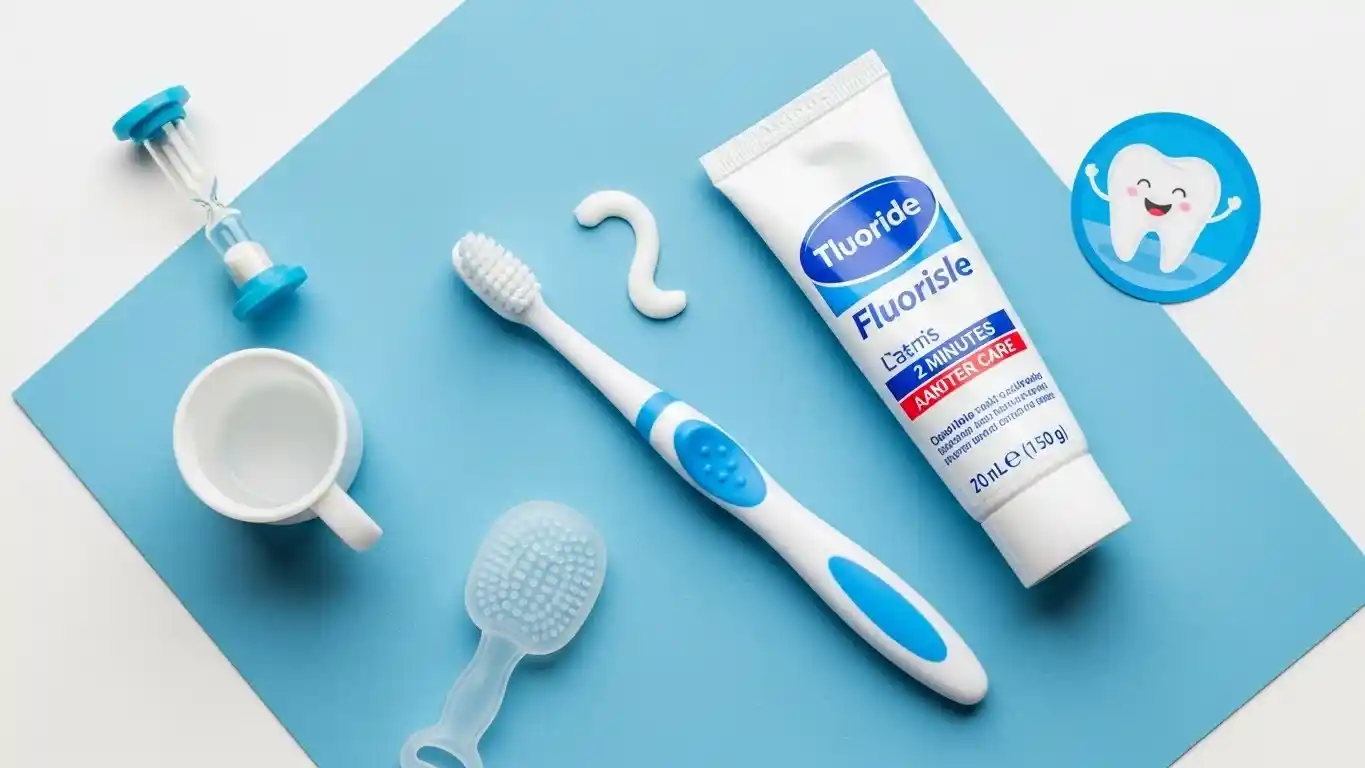
The products you choose matter just as much as your technique. Selecting age-appropriate dental care products designed specifically for babies ensures safety, effectiveness, and a positive brushing experience.
What Type of Toothbrush Is Best for Babies?
Look for a toothbrush with a small head that fits easily in your baby’s mouth. The bristles should be extra soft to protect delicate gums and tooth enamel. The handle should be large enough for you to grip comfortably. Replace the toothbrush every three to four months or sooner if bristles become frayed.
Can Babies Use Fluoride Toothpaste?
Yes, babies can and should use fluoride toothpaste as soon as teeth appear. The American Academy of Pediatric Dentistry recommends fluoride toothpaste for all children with teeth. Fluoride strengthens tooth enamel and helps prevent cavities. The key is using the right amount and supervising to minimize swallowing.
How Much Toothpaste Should a Baby Use?
For babies and children under three years old, use a smear or rice-grain-sized amount of fluoride toothpaste. Once your child turns three, you can increase to a pea-sized amount. Don’t let your baby eat or suck toothpaste from the tube, and keep it out of reach between brushing sessions.
Baby Teething and Oral Care
Teething brings new challenges to oral care routines. Understanding how teething affects your baby’s mouth and learning gentle techniques to maintain oral hygiene during this uncomfortable period will help you keep those emerging teeth healthy.
How Teething Affects Baby Teeth
Teething typically begins around six months. During teething, gums become swollen and tender as teeth push through. Your baby might be more irritable, drool excessively, and want to chew on everything. These symptoms can make oral care more challenging, as your baby may resist having anything in their already uncomfortable mouth.
Oral Care Tips During Teething
Be extra gentle when brushing during teething periods. You might need to pause occasionally if your baby is particularly uncomfortable. Consider offering a cold, damp washcloth to chew on before brushing. Some parents find that brushing after giving pain relief medication is easier.
Soothing Teething Pain Without Harming Teeth
Avoid teething gels containing benzocaine. Instead, offer chilled teething rings, cold washcloths, or gently massage gums with a clean finger. Never give your baby frozen items, as these can be too hard and damage gums.
What If Your Baby Refuses Tooth Brushing?
Resistance to tooth brushing is incredibly common. Almost every parent faces this challenge. Understanding why babies resist and having a toolkit of strategies to make brushing more enjoyable will help you maintain consistency even during difficult phases.
Why Babies Hate Tooth Brushing
Babies resist tooth brushing for many reasons. The sensation is unfamiliar and sometimes uncomfortable. They might be teething, tired, or simply asserting their growing independence. Some babies dislike having their routine interrupted. Understanding that resistance is normal can help you stay patient and persistent.
Tips for Brushing Baby Teeth When They Refuse
Try different approaches. Brush your own teeth at the same time to model the behavior. Let your baby hold their own toothbrush while you use a second one to actually clean their teeth. Sing songs or play videos about tooth brushing. Timing matters too—choose moments when your baby is calm and fed.
How to Make Brushing Fun for Babies and Toddlers
Transform brushing into playtime. Count teeth as you brush them, make silly sounds, or create a special tooth-brushing song. Let your toddler choose their toothbrush design. Use a timer with fun visuals to help children understand how long to brush. Positive reinforcement works wonders—praise cooperative brushing and consider using a sticker chart.
Preventing Tooth Decay in Baby Teeth
Prevention is always easier than treatment. Learning how sugar damages baby teeth, understanding dietary factors, and recognizing common causes of early childhood cavities will help you protect your child’s smile before problems develop.
How Sugar Causes Tooth Decay in Babies
Bacteria in the mouth feed on sugars and produce acid that attacks tooth enamel. Babies are particularly vulnerable because their tooth enamel is thinner. Frequent exposure to sugary liquids, especially from bottles at bedtime, creates an ideal environment for decay-causing bacteria.
Diet and Feeding Tips to Protect Baby Teeth
Limit sugary foods and drinks, including juice. Never put your baby to bed with a bottle containing anything other than water. Encourage drinking from cups around age one. Offer water between meals instead of milk or juice. When introducing solid foods, focus on nutritious options and limit sticky or sugary snacks.
Common Causes of Early Childhood Cavities
Baby bottle tooth decay is the most common culprit. Frequent snacking without brushing, sharing utensils that transfer bacteria, inadequate fluoride exposure, and inconsistent brushing all contribute to cavities.
When to Visit the Pediatric Dentist
Professional dental care complements your at-home efforts. Knowing when to schedule that first appointment, what to expect during early checkups, and how often your baby needs dental visits ensures comprehensive oral health care.
When Should a Baby Have Their First Dental Visit?
Schedule your baby’s first dental visit by their first birthday or within six months of the first tooth erupting, whichever comes first. This might seem early, but it’s the perfect time to establish a dental home and ensure everything is developing normally.
What Happens at a Baby’s First Dental Checkup
The first dental visit is usually brief and friendly. The dentist will examine your baby’s teeth, gums, jaw, and bite. They’ll check for cavities and assess fluoride needs. This visit is also educational—you’ll receive guidance on brushing techniques, nutrition, and oral habits. Many dentists let babies sit in their parent’s lap during the exam.
How Often Should Babies See a Dentist?
After the initial visit, most babies should see the dentist every six months for routine checkups and cleanings. Your dentist might recommend more frequent visits if your child is at higher risk for cavities.
Teaching Healthy Brushing Habits as Your Baby Grows
The habits you establish now shape your child’s oral health for years to come. Learning when to introduce independent brushing, how to teach proper technique, and ways to build lifelong habits will set your child up for a healthy smile throughout their life.
Teaching Your Child to Brush Their Own Teeth
Around age two, let your child start practicing brushing their own teeth under close supervision. They won’t have the coordination to do a thorough job, so you’ll need to finish the brushing for them. Think of this stage as practice—they’re learning the motions and building a habit.
When to Let Toddlers Brush Independently
Most children don’t have the manual dexterity to brush effectively on their own until around age six to eight. Continue to assist with or check your child’s brushing at least once daily until they’re around eight years old. You’ll know your child is ready for more independence when they demonstrate consistent technique and fine motor control.
Building Lifelong Oral Hygiene Habits Early
Consistency creates habits. By making tooth brushing a non-negotiable part of the daily routine from the beginning, you’re establishing expectations that carry into childhood and beyond. Stay positive and patient. Model good behavior by maintaining your own oral hygiene routine visibly. Make dental health a family value, celebrate milestones, and talk about teeth in positive ways.
Schedule Your Child’s First Dental Visit Today
Our experienced pediatric dentists in Mesa, Gilbert, and San Tan Valley are dedicated to making dental visits comfortable and stress-free for children of all ages. From your baby’s first checkup to routine cleanings, cavity prevention, and treating teething concerns, we provide gentle, compassionate treatment in a welcoming environment with flexible payment options to make quality dental care accessible for every family. Call us at (480) 219-1933 or book an appointment online to give your child the gift of a healthy smile that lasts a lifetime.
Conclusion
Starting your baby’s oral care journey doesn’t have to be complicated. Begin cleaning gums from birth, start brushing as soon as that first tooth appears, and maintain consistency. Remember that perfect is the enemy of good—doing your best with tooth brushing, even imperfectly, is far better than skipping it. Your efforts today are building the foundation for your child’s healthy smile tomorrow. Every time you gently brush those tiny teeth, you’re teaching your child that their health matters and that taking care of themselves is important.
Frequently Asked Questions
When should I start brushing my baby’s teeth?
You should start brushing your baby’s teeth as soon as the first tooth appears, usually around six months of age. Use a soft-bristled baby toothbrush and a rice-grain-sized amount of fluoride toothpaste to gently clean the tooth and gum line.
Should I clean my baby’s gums before teeth come in?
Yes, you should clean your baby’s gums even before teeth erupt. Wipe the gums gently with a clean, damp cloth or gauze after feedings to remove bacteria and help your baby get used to oral care.
How often should I brush my baby’s teeth each day?
Baby teeth should be brushed twice a day—once in the morning and once before bedtime. Nighttime brushing is especially important because saliva flow decreases during sleep, increasing the risk of tooth decay.
Is fluoride toothpaste safe for babies?
Fluoride toothpaste is safe and recommended for babies once teeth appear. Use only a smear or rice-grain-sized amount and always supervise brushing to prevent swallowing too much toothpaste.
When should my baby see a dentist for the first time?
Your baby should see a dentist by their first birthday or within six months of the first tooth erupting, whichever comes first. Early dental visits help prevent problems and establish healthy oral care habits.