


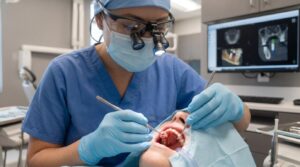



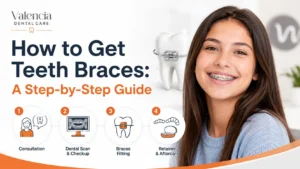
Yes, dental treatments are safe for all ages—from toddlers to seniors. Age alone doesn’t determine whether you can receive dental care. What matters most is your overall health, the condition of your teeth and gums, and choosing the right treatment for your specific needs.
Modern dentistry has evolved to provide safe, effective solutions tailored to every life stage, and dental practices like those in Mesa, Arizona are equipped to serve patients across all age groups with personalized care.
Why Age Matters in Dental Care — and Why It Often Doesn’t
Age plays an interesting dual role in dental treatment planning. While it provides important context, it’s rarely the deciding factor in whether a treatment is appropriate or safe.
How dentists assess safety beyond age
When evaluating whether a treatment is right for you, dentists focus on your overall oral health and individual needs rather than your age alone. They conduct comprehensive assessments that include the condition of your oral tissues, the strength and density of your jawbone, the health of your gums, and the overall structure of your mouth. A 70-year-old with excellent oral hygiene and strong bone density might be a better candidate for dental implants than a 40-year-old with untreated gum disease. This personalized approach is standard practice in modern dental clinics, including those serving the Mesa, Arizona community.
Dentists also consider developmental factors, particularly in children and adolescents. Jaw growth, tooth eruption patterns, and the transition from baby teeth to permanent teeth all influence treatment timing. However, even these factors are evaluated individually, as development varies significantly from person to person.
The role of overall health in treatment decisions
Your general health status matters as much as your age when determining treatment safety. Conditions like diabetes, heart disease, osteoporosis, and autoimmune disorders affect how your body responds to dental procedures. Medications you take, from blood thinners to bisphosphonates, also influence treatment planning and may require coordination between your dentist and physician.
This holistic approach means that a healthy 80-year-old might sail through procedures that would require special modifications for a 50-year-old with health complications. Your dentist’s job is to understand your complete health picture and adapt treatments accordingly.
Children and Dental Treatment: Building Healthy Smiles Early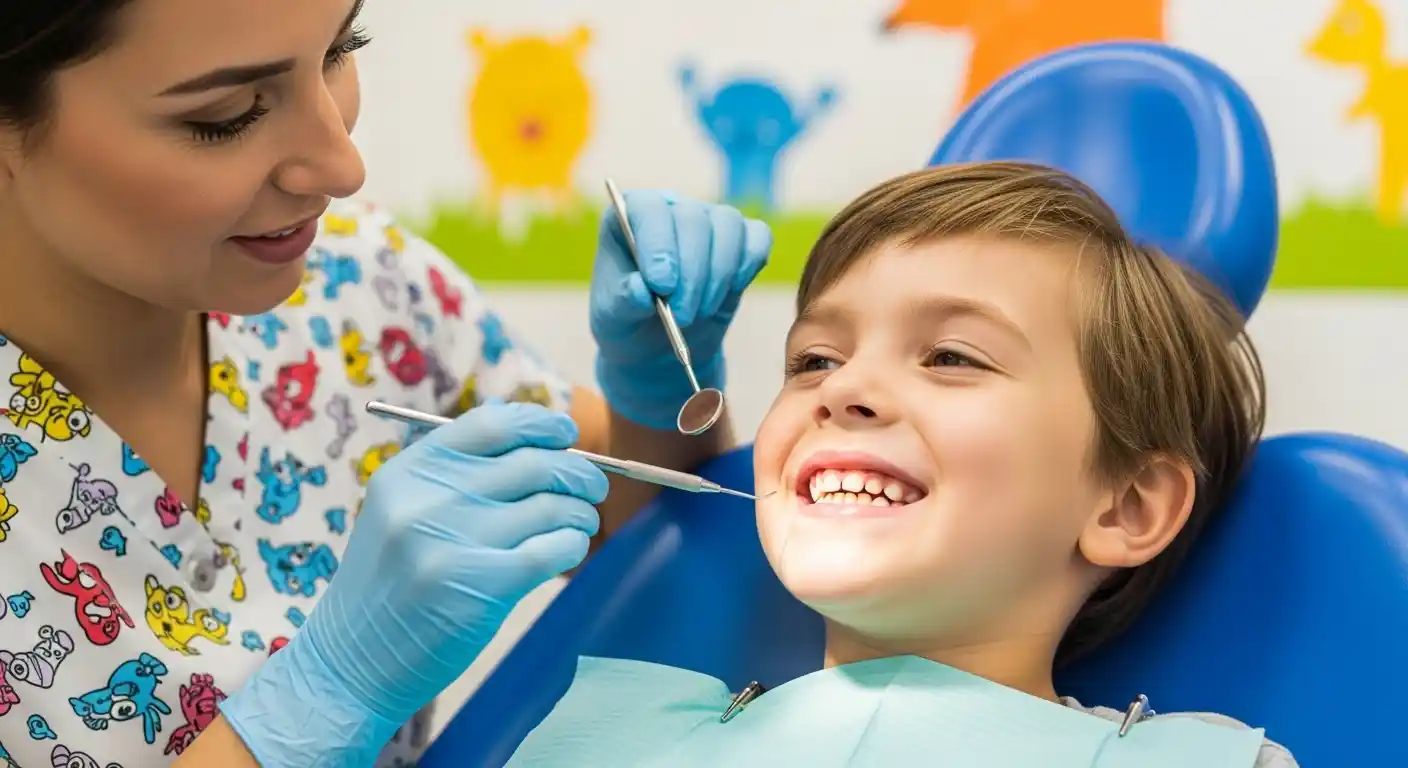
Early dental care sets the foundation for a lifetime of oral health. The treatments children receive today don’t just address immediate problems; they prevent more serious issues down the road.
Common dental treatments for children
Pediatric dentistry includes different treatments made especially for children. Dental sealants protect the parts of teeth that are most likely to get cavities. Fluoride treatments make the enamel stronger. If a child gets a cavity, tooth-colored fillings fix the tooth and keep it looking natural. Stainless steel crowns cover badly decayed baby teeth until they fall out naturally, making sure there’s enough space for permanent teeth. Early orthodontic treatment can help guide jaw growth and make room for new teeth, which can make future dental care easier.
How early dental care prevents future problems
Pediatric dentistry focuses on preventing problems, which benefits children even as adults. Regular cleanings catch small issues before they become serious. Teaching kids how to brush and floss properly builds healthy habits that last a lifetime. Fixing habits like thumb-sucking or mouth-breathing early can prevent crooked teeth and jaw growth problems. Early dental visits also help children feel less anxious and understand why taking care of their teeth is important.
Safety measures dentists use for young patients
Pediatric dentists receive specialized training in treating children safely and compassionately. They use appropriately sized instruments designed for small mouths. Sedation options, when necessary, are carefully calibrated to a child’s weight and medical history. Beyond physical safety, pediatric dentists create emotionally safe environments using child-friendly language, behavioral guidance techniques, and appropriate parental involvement.
Teen Years and Dental Care: More Than Just Braces
Adolescence brings unique dental considerations as young people transition toward adult oral health patterns while still experiencing significant physical development.
Orthodontic treatment during adolescence
The teenage years represent the most common time for comprehensive orthodontic treatment. By adolescence, most permanent teeth have erupted, and jaw growth can actually work in favor of treatment. Braces have evolved considerably, with options from traditional metal brackets to clear ceramic versions and clear aligners. Success requires patient cooperation with wearing appliances as directed and maintaining excellent oral hygiene.
Cosmetic concerns and treatment limitations for teens
Teenagers often become acutely aware of their appearance, leading to requests for cosmetic treatments. While many are safe for teens, dentists carefully consider whether treatments are appropriate given ongoing development. Teeth whitening is generally safe once permanent teeth have fully erupted and enamel has matured. More invasive procedures like veneers are typically discouraged until facial growth is complete. Dentists can address legitimate cosmetic concerns through less permanent means, such as bonding to repair chipped teeth.
Supporting long-term oral health during growth years
Beyond orthodontics and cosmetics, teenage dental care focuses on preventing common problems. Wisdom teeth monitoring begins in the mid to late teens. Custom-fitted mouthguards protect against sports-related injuries. This is also a critical time for reinforcing good habits as teens gain independence in their self-care routines.
Adult Dental Treatments: It’s Never “Too Late”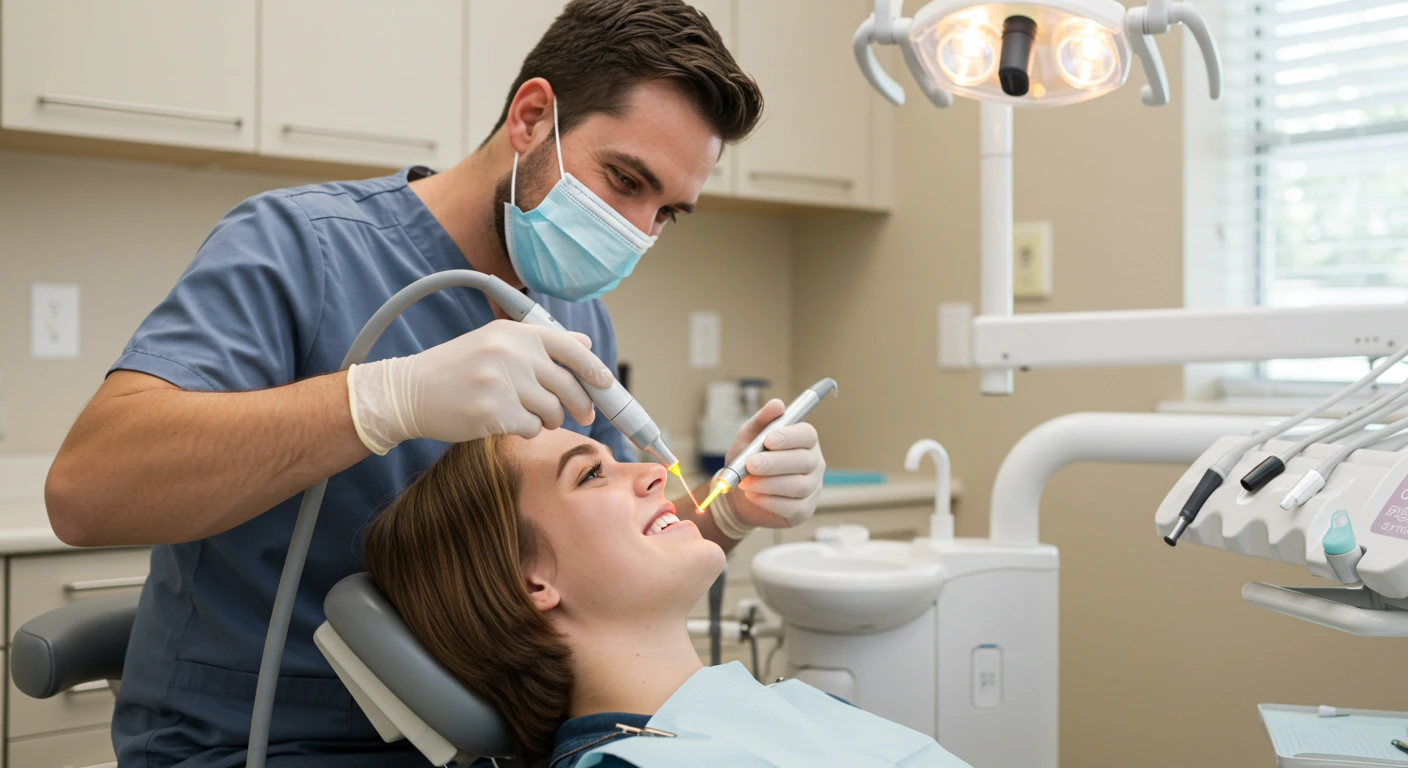
One of the most empowering messages in modern dentistry is that adults can successfully undergo virtually any dental treatment. Your age as an adult doesn’t limit your options.
Why adults can safely undergo most dental procedures
Adult patients benefit from fully developed oral structures and the ability to follow post-treatment care instructions precisely. Modern anesthesia techniques, improved materials, and refined surgical approaches make dental procedures safer and more comfortable than ever. Anxiety management options ensure that even nervous patients can receive necessary care safely.
Differences between adult and child dental treatment
While fundamental principles remain constant, treating adults differs in important ways. Adult teeth don’t have the same regenerative capacity as younger teeth. Adults more commonly present with complex dental histories and are more likely to have gum disease, which must be addressed before certain treatments can proceed. The good news is that gum disease is treatable at any age.
Restoring function and confidence in adulthood
Adult dental treatment frequently focuses on restoration, replacing lost or damaged teeth and repairing the effects of years of wear. Dental implants can replace missing teeth with results that look, feel, and function like natural teeth. Full mouth rehabilitation can address multiple problems comprehensively, transforming both oral health and quality of life. The psychological impact shouldn’t be underestimated—adults often describe dental treatment as life-changing, affecting their careers, relationships, and self-esteem.
Dental Care for Seniors: Safety, Comfort, and Long-Term Health
Seniors have access to sophisticated care designed specifically for their needs. With people living longer, healthier lives, maintaining oral health in the senior years is more important and achievable than ever.
Managing medical conditions during dental treatment
Senior patients often manage multiple health conditions, requiring careful coordination between dental and medical care. Dentists work closely with physicians to ensure treatments are safe. This doesn’t mean treatments are off-limits; rather, they’re carefully planned and modified as needed. Prophylactic antibiotics might be recommended for patients with heart conditions. Appointment timing might be adjusted to coordinate with medication schedules.
Bone density, gum health, and treatment planning
Age-related changes in bone density and gum tissue affect treatment approaches. Osteoporosis and certain medications can influence healing after extractions or implant placement. Dentists assess bone quality through imaging and may recommend supplementary procedures like bone grafting. Gum recession is common in older adults, and addressing gum health becomes a priority before pursuing restorative work.
Common dental concerns in older adults
Seniors frequently face challenges like dry mouth, which increases cavity risk. Dentists can recommend saliva substitutes and management strategies. Worn teeth from decades of use may need restoration. Missing teeth are addressed through various options, from implant-supported dentures to fixed bridges. The goal is always to restore function while respecting the patient’s preferences and lifestyle.
What Really Determines Treatment Safety
While age provides context, the actual determinants of treatment safety are more nuanced and individualized.
Oral health and hygiene habits
The current condition of your teeth and gums significantly influences what treatments are appropriate. A patient with untreated periodontal disease needs gum therapy before restorative work can proceed. Good daily hygiene practices don’t just maintain existing dental work; they’re often prerequisites for new treatments.
Medical history and medications
Your complete medical history helps your dentist anticipate how your body will respond to treatment. Conditions affecting immune function, blood clotting, or bone metabolism all influence planning. Being thorough about your health conditions and medications, including over-the-counter drugs and supplements, allows your dentist to provide the safest, most effective care.
Lifestyle factors that affect healing
Smoking, excessive alcohol consumption, and poor nutrition impact how well you heal and how long dental work lasts. Smoking significantly increases the risk of implant failure and gum disease. Stress levels and sleep quality also play roles. These lifestyle factors are often more modifiable than medical conditions, giving patients some control over outcomes.
Common Dental Treatments and Who They’re Best For
Different dental treatments serve different purposes and are appropriate for different situations.
Fillings, crowns, and bridges
Dental fillings restore teeth damaged by decay and are appropriate for all ages. Crowns cap damaged teeth, protecting them while restoring normal appearance and function. Bridges replace missing teeth by anchoring artificial teeth to adjacent natural teeth. They work well when patients have healthy teeth on either side of a gap and either cannot have or don’t want dental implants.
Braces and clear aligners
While orthodontic treatment is most common during adolescence, adults increasingly seek to straighten their teeth. Modern clear aligner technology has made orthodontics more accessible and appealing. There’s no age limit for orthodontics as long as teeth and gums are healthy. Adult treatment may take somewhat longer due to denser bone, but results can be just as successful.
Dental implants and dentures
Dental implants are considered the gold standard for replacing missing teeth and are appropriate for adults of any age who have sufficient bone density and healthy gums. There’s no upper age limit for patients in good health. Dentures remain excellent options when bone loss makes implants challenging or when budget is a primary concern. Modern dentures are more comfortable and natural-looking than ever.
Teeth whitening and cosmetic procedures
Professional teeth whitening is safe and effective for most patients whose permanent teeth have fully matured. Both in-office and take-home systems can dramatically brighten smiles from late teens through senior years. Other cosmetic procedures, from bonding to veneers to gum recontouring, are available across age groups.
The Benefits of Getting Dental Care at Any Stage of Life
Regardless of your age, investing in dental care yields significant returns for both your oral health and overall quality of life.
Improving overall health and daily comfort
The connection between oral health and systemic health is well-established. Gum disease has been linked to cardiovascular disease, diabetes complications, and respiratory problems. Treating dental infections can reduce systemic inflammation. Maintaining the ability to chew properly supports good nutrition. Daily comfort matters enormously—dental pain affects sleep, productivity, and mood.
Boosting confidence and quality of life
The psychological benefits of dental treatment are profound. Adults who have avoided smiling for years often describe feeling liberated after treatment. For seniors, maintaining dental health supports independence and dignity. Being able to eat comfortably in social settings, speak clearly, and smile without self-consciousness contributes to social engagement and mental health.
Preventing more serious dental problems
Preventive and early treatment approaches stop small problems from becoming large ones. A minor cavity treated promptly requires just a simple filling. Left untreated, that same cavity might eventually necessitate a root canal, crown, or even tooth extraction. This preventive mindset applies at every age.
Why Delaying Dental Treatment Can Create Bigger Problems
While it’s never too late to address dental issues, postponing treatment almost always makes problems worse and solutions more complex.
Progression of untreated dental issues
Dental problems rarely resolve on their own. Cavities grow larger, penetrating deeper into tooth structure. Gum disease advances from reversible gingivitis to periodontitis, which causes irreversible bone loss. Even cosmetic concerns can worsen—a small chip can fracture further.
Increased treatment complexity over time
A tooth that could have been saved with a filling might eventually need extraction and replacement. Bone loss from delayed treatment can eliminate the possibility of implants without extensive bone grafting. This complexity affects both the treatment timeline and financial investment required.
Impact on general health
Oral infections don’t stay confined to the mouth. Bacteria from dental abscesses can enter the bloodstream, potentially causing serious systemic infections. Chronic inflammation from gum disease contributes to conditions throughout the body. The inability to chew properly can lead to nutritional deficiencies and digestive issues.
Get Personalized Dental Care at Any Age
If you’re wondering whether dental treatment is right for you or a loved one at any age, professional guidance can provide the clarity and confidence you need. Modern dentistry offers safe, effective solutions tailored to every life stage—from children to seniors. If you’re in Mesa, AZ, schedule a consultation with the experienced dental team at Valencia Dental Care to receive personalized, age-appropriate care that supports your oral health and overall wellbeing at any stage of life.
Conclusion
Dental care isn’t limited by age—it’s guided by overall health, personalized planning, and modern dental techniques. From childhood to the senior years, today’s dentistry offers safe and effective treatments tailored to each stage of life. Addressing dental concerns early helps protect both oral and overall health at any age. For personalized, age-appropriate care, patients can visit a trusted dental provider at 1635 N Greenfield Rd STE 119, Mesa, AZ 85205, where comfort, safety, and long-term oral health are the priority.
Frequently Asked Questions
Is there ever an age limit for dental treatment?
No. Dental treatment doesn’t have a fixed age limit. Dentists focus on overall health, oral condition, and healing ability rather than age alone.
Can older adults safely undergo major dental procedures?
Yes. With proper evaluation and planning, older adults can safely receive procedures like implants, crowns, and restorative treatments.
Are cosmetic dental treatments only for younger patients?
No. Cosmetic treatments such as whitening, veneers, and bonding are suitable for adults of all ages with healthy teeth and gums.
Are dental treatments safe for children and seniors?
Yes. Dentists adjust techniques, materials, and treatment plans to match each patient’s age and specific needs.
How do dentists decide if a treatment is safe for someone’s age?
They review medical history, oral health, medications, and overall condition to ensure the treatment is appropriate and safe.