



Worn teeth are caused by enamel loss resulting from teeth grinding (bruxism), acid erosion from diet or medical conditions, aggressive brushing habits, bite misalignment, or natural aging. Treatment depends on how advanced the wear is and may include dental bonding, porcelain veneers, dental crowns, or custom night guards to protect against further damage.
Tooth wear often develops gradually, which means many people in Mesa, AZ don’t notice the damage until sensitivity, flattening, or visible changes appear. Understanding what causes worn teeth and how dentists restore them can help you take action early and protect your smile for the long term.
What Are Worn Teeth? (Understanding Tooth Wear)
Tooth wear is the gradual loss of tooth structure that occurs when the protective outer layer of the teeth begins to break down. While a mild degree of wear is a natural part of aging, excessive or accelerated enamel loss can compromise both the function and appearance of your smile. When enamel erodes or thins, dentin becomes exposed, which may lead to increased sensitivity and a greater risk of structural damage.
Unlike many other tissues in the body, enamel cannot regenerate once it is lost. After teeth fully develop, the body has no natural ability to replace worn enamel. Physiological wear develops gradually over years of everyday chewing, while pathological wear progresses more rapidly due to harmful factors and may result in pain, bite changes, cosmetic concerns, or functional impairment.
Types of Tooth Wear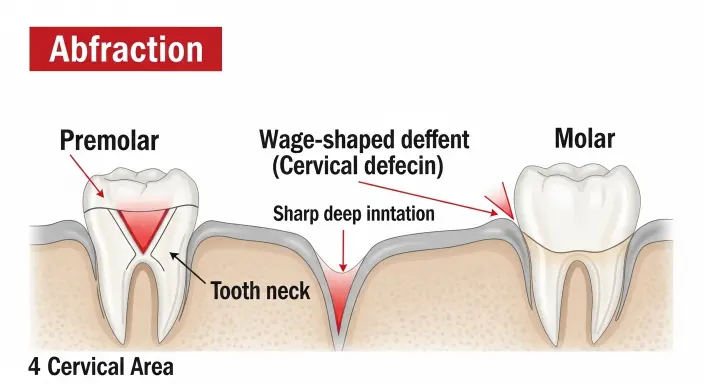
Understanding the different mechanisms of tooth wear helps identify the underlying cause and determine the most appropriate treatment. Dental professionals recognize four primary types:
Attrition
Attrition occurs from direct tooth-to-tooth contact, most commonly due to grinding or clenching (bruxism). It typically affects the biting surfaces of back teeth and the edges of front teeth, creating flat, polished areas known as wear facets. Over time, teeth may appear shortened, and patients may experience jaw discomfort or morning soreness.
Erosion
Erosion is the chemical breakdown of enamel caused by acid exposure. Unlike attrition, it does not involve physical tooth contact. Dietary acids from soft drinks, citrus fruits, and sports beverages — as well as stomach acid from acid reflux or vomiting can gradually dissolve enamel. Teeth affected by erosion often appear smooth, glossy, and thin.
Abrasion
Abrasion is the mechanical wearing away of enamel due to repeated friction from external sources. The most common cause is aggressive brushing, especially when using hard-bristled toothbrushes or abrasive toothpaste. This type of wear often creates small, V-shaped notches near the gumline.
Abfraction
Abfraction is a stress-related form of tooth wear that occurs when excessive biting forces cause microscopic flexing at the neck of the tooth, where the crown meets the root. Over time, this repeated stress can cause enamel to chip away, leading to wedge-shaped defects near the gumline.
What Causes Worn Teeth?
Tooth wear rarely has a single cause. In most cases, multiple factors work together over time, gradually weakening enamel and altering the structure of the teeth. Identifying the underlying cause is essential because effective treatment depends on addressing both the damage and the contributing habits or conditions.
Teeth Grinding and Clenching (Bruxism)
Bruxism, the medical term for grinding or clenching teeth, is one of the most destructive forces affecting enamel. Grinding can generate pressure far greater than normal chewing, leading to rapid enamel loss, flattened biting surfaces, and shortened teeth.
Sleep bruxism occurs unconsciously at night, and many people are unaware of it until a partner notices the sound or a dentist detects wear patterns. Stress-related clenching often happens during the day while concentrating or feeling tension. The temporomandibular joint (TMJ) may also play a role, as jaw imbalance can contribute to grinding and create a cycle of ongoing wear.
Acid Erosion from Diet
Frequent exposure to acidic foods and beverages can gradually dissolve enamel. Unlike grinding, which causes mechanical wear, acid erosion weakens enamel chemically, making teeth thinner and more sensitive.
Soda including diet varieties is particularly harmful due to phosphoric and citric acids. Citrus fruits, fruit juices, sports drinks, and energy drinks also have low pH levels that soften enamel. Even vinegar-based foods such as pickles and salad dressings can contribute to cumulative erosion when consumed regularly.
Acid Reflux and Medical Conditions
Some causes of tooth wear originate inside the body. Gastroesophageal reflux disease (GERD) allows stomach acid to reach the mouth, where it can erode enamel, especially on the back surfaces of upper front teeth. In many cases, dental erosion becomes noticeable before reflux symptoms are recognized.
Eating disorders involving frequent vomiting expose teeth to repeated acid contact. Chronic dry mouth (xerostomia) also increases risk, as saliva plays a critical role in neutralizing acids and protecting enamel. Reduced saliva flow may result from medications, aging, or medical treatments.
Aggressive Brushing Habits
Brushing too hard or using abrasive products can gradually wear away enamel and irritate the gums. Hard-bristled toothbrushes and improper technique create friction that leads to grooves near the gumline.
Highly abrasive whitening toothpastes may accelerate enamel wear if used excessively. Dentists recommend soft-bristled brushes and gentle circular motions to clean effectively without damaging tooth structure.
Bite Problems (Malocclusion)
When the upper and lower teeth do not align properly, certain teeth may absorb excessive force. Uneven pressure distribution and premature tooth contact create stress points that wear down faster than surrounding teeth.
Natural Aging and Daily Use
Even in the absence of harmful habits, teeth naturally experience gradual wear from years of chewing and daily function. This physiological wear develops slowly and typically does not cause problems unless accelerated by other contributing factors.
What Do Worn Teeth Look Like?
Worn teeth often show noticeable changes in shape, color, and sensitivity. Recognizing these early signs allows you to seek treatment before the damage progresses and becomes more complex to restore.
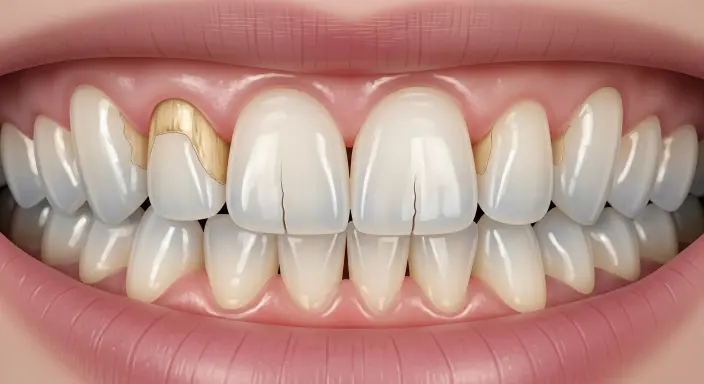
- Flattened or shortened teeth that lose their natural curves, ridges, and pointed edges
- Yellowing appearance as thinning enamel reveals the darker dentin underneath
- Transparent or glassy edges, especially on front teeth, indicating advanced enamel thinning
- Small cracks or chips that occur more easily as tooth structure weakens
- Increased sensitivity to hot, cold, sweet foods, or even light pressure
What Happens If Worn Teeth Are Left Untreated?
When tooth wear is ignored, the damage does not stop — it progressively worsens and can lead to more serious functional and structural problems. Early intervention is far simpler and less invasive than treating advanced wear.
- Increased tooth sensitivity as protective enamel thins and more dentin becomes exposed
- Higher risk of cracks and fractures due to reduced structural strength
- Changes in bite alignment, which may alter facial dimensions in severe cases
- Jaw pain, muscle tension, and headaches caused by uneven pressure and strain
- Gum irritation or recession resulting from altered tooth contours
- More complex and costly restorative treatment as damage advances over time
How Dentists Diagnose Worn Teeth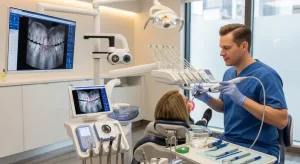
Diagnosing worn teeth involves more than simply identifying enamel loss. Dentists must determine the type, severity, and underlying cause of the wear to develop an effective, long-term treatment plan. The process begins with a thorough clinical examination, where each tooth surface is evaluated for wear patterns, thinning enamel, fractures, and sensitivity.
Digital X-rays are taken to assess whether the wear has progressed into deeper tooth structures and to evaluate the health of the inner tooth. A detailed bite analysis follows, examining how the teeth come together and identifying pressure points or imbalances that contribute to uneven wear.
To monitor progression, dentists may perform occlusal wear mapping using photographs or digital scans over time. Reviewing your medical and dental history is also essential, as conditions such as acid reflux, dry mouth from medications, eating disorders, or sleep-related grinding can significantly contribute to tooth wear.
How Can Worn Teeth Be Treated?
Treatment for worn teeth depends on the severity of damage, underlying cause, symptoms, and your goals for function and appearance. Dentists design personalized treatment plans that not only restore damaged teeth but also prevent further wear.
Treatment for Mild Wear
For early-stage wear, conservative treatments are often effective. Professional fluoride therapy helps strengthen remaining enamel, reduce sensitivity, and support remineralization.
Desensitizing treatments block exposed dentin tubules to relieve discomfort while underlying causes are addressed. Dental bonding uses tooth-colored composite resin to rebuild small worn areas, restore natural contours, and protect exposed dentin without removing additional healthy tooth structure.
Treatment for Moderate Wear
When wear becomes more noticeable, more durable restorative options may be recommended. Composite bonding for moderate wear can reshape multiple teeth and improve both strength and aesthetics.
Porcelain veneers provide a longer-lasting, stain-resistant solution for front teeth by covering the visible surface and restoring appearance and structure. For back teeth with chewing surface damage, onlays (partial crowns) reinforce weakened cusps while preserving as much natural tooth as possible.
Treatment for Severe Wear
Advanced tooth wear requires comprehensive restoration. Dental crowns fully cover and protect teeth that have lost significant structure or are at risk of fracture.
In cases involving multiple worn teeth, bite reconstruction may be necessary to restore proper jaw alignment and vertical dimension. For extensive, generalized wear, full mouth rehabilitation rebuilds the entire bite and dental structure through a carefully phased treatment plan.
Preventing Further Damage
Protecting restored teeth is just as important as repairing them. Custom night guards shield teeth from grinding forces during sleep. Bite adjustments can correct uneven contact points to reduce stress on specific teeth. Additionally, lifestyle modifications such as managing stress, reducing acidic food and drink intake, and improving brushing technique help prevent future enamel loss.
Step-by-Step Process of Restoring Worn Teeth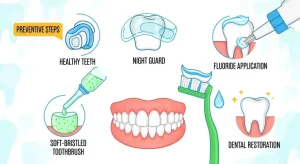
Comprehensive consultation involves discussing your concerns, symptoms, and goals while your dentist performs a thorough examination. This appointment establishes the foundation for a personalized treatment plan that addresses both function and appearance.
Digital imaging and diagnosis may include X-rays, photographs, and 3D scans of your teeth and bite. Modern intraoral scanners often replace traditional impressions, creating precise models to guide planning. Based on these findings, your dentist presents a treatment plan outlining recommended procedures, timeline, and costs, while explaining alternatives.
Restoration placement and follow-up depend on the type of treatment. Teeth are prepared, impressions or scans are taken, and temporary restorations may be placed. Final restorations including crowns, veneers, or bonding are then bonded or cemented, and follow-up appointments ensure proper function, comfort, and aesthetics.
Can Worn Teeth Heal Naturally?
This common question deserves a clear, scientific answer that sets realistic expectations. Enamel does not regenerate. Unlike bone or skin, your body cannot grow new enamel once it has been lost. No amount of time, nutritional supplementation, or home remedy can regrow tooth enamel.
Early enamel softening may be remineralized before actual structure is lost. When acid first attacks enamel, it causes demineralization that weakens the surface without immediately creating visible wear. At this very early stage, fluoride treatments and reduced acid exposure can help restore some mineral content. However, this only works for initial softening, not for enamel that has already worn away.
Advanced wear requires professional restoration. Once you can see or feel changes in tooth shape or sensitivity has developed, natural healing cannot occur. Only dental treatment can rebuild lost structure and prevent progression.
How to Prevent Worn Teeth
Preventing tooth wear is the most effective and affordable way to protect your smile. Key steps include:
- Use a soft-bristled toothbrush and replace it every three months to avoid enamel abrasion.
- Avoid brushing immediately after acidic foods or drinks, as enamel is temporarily softened and more vulnerable.
- Limit acidic beverages and consume them with meals rather than sipping throughout the day.
- Wear a custom night guard if you grind your teeth, protecting them from damage during sleep.
- Maintain regular dental visits for early detection and intervention to address wear before it becomes severe.
When Should You See a Dentist for Worn Teeth?
Seek dental evaluation if you experience persistent sensitivity, notice flattening or shortening of teeth, or see cracks and chips. Jaw pain, especially upon waking or with headaches, and changes in your bite or difficulty chewing are also warning signs. Early consultation allows your dentist to assess the situation, identify causes, and recommend preventive or restorative treatment before minor wear progresses into more complex problems.
Protect Your Smile Today at Valencia Dental Care
Don’t let worn teeth affect your confidence or oral health. Schedule a consultation with our expert team in Mesa, AZ, and discover personalized solutions to restore and protect your smile. Call us today or book online to take the first step toward healthier, stronger teeth.
Conclusion
Worn teeth can affect both the function and appearance of your smile. Understanding the causes such as grinding, acid erosion, or bite issues and seeking early dental care allows for effective treatment and prevention. Simple interventions can preserve tooth structure, while advanced wear may require restorations like bonding, veneers, or crowns. Protecting your teeth early helps maintain a healthy, functional, and lasting smile.
Frequently Asked Questions
Can worn teeth be reversed naturally?
No, once enamel is lost, it cannot regenerate. Early enamel softening can be remineralized with fluoride, but visible wear requires professional dental treatment.
What are the most common causes of worn teeth?
The main causes include teeth grinding (bruxism), acid erosion from diet or medical conditions, aggressive brushing, bite misalignment, and natural aging. Often, multiple factors contribute simultaneously.
How do dentists treat worn teeth?
Treatment depends on severity. Mild wear may be managed with fluoride, desensitizing treatments, or dental bonding. Moderate to severe wear may require veneers, onlays, crowns, or full mouth rehabilitation.
Can worn teeth cause other dental problems?
Yes. Untreated tooth wear can lead to increased sensitivity, cracks or fractures, bite changes, jaw pain, headaches, and more complex restorative needs over time.
How can I prevent my teeth from wearing down?
Prevention includes using a soft-bristled toothbrush, avoiding brushing immediately after acidic foods or drinks, limiting acidic intake, wearing a night guard if you grind, and visiting your dentist regularly for checkups.