





Dental implants can last 20–30 years or longer, and in many cases, they last a lifetime. The implant post itself is designed to be permanent, while the crown on top may need replacement after 10–15 years due to normal wear. Factors such as proper oral hygiene, regular dental checkups, and healthy lifestyle habits play a key role in determining how long dental implants last.
The long-term success of dental implants in Mesa, AZ also depends on bone health, overall oral care, and daily habits. While implants are built to be extremely durable, understanding what affects their lifespan can help you protect your investment and enjoy a strong, healthy smile for decades.
What Are Dental Implants?
Dental implants are artificial tooth roots designed to provide a strong, long-term foundation for replacement teeth. Unlike dentures or dental bridges that rest on the gums or rely on neighboring teeth for support, implants are surgically placed into the jawbone. This creates a stable, secure base that closely mimics the function of natural tooth roots.
Basic Structure of a Dental Implant
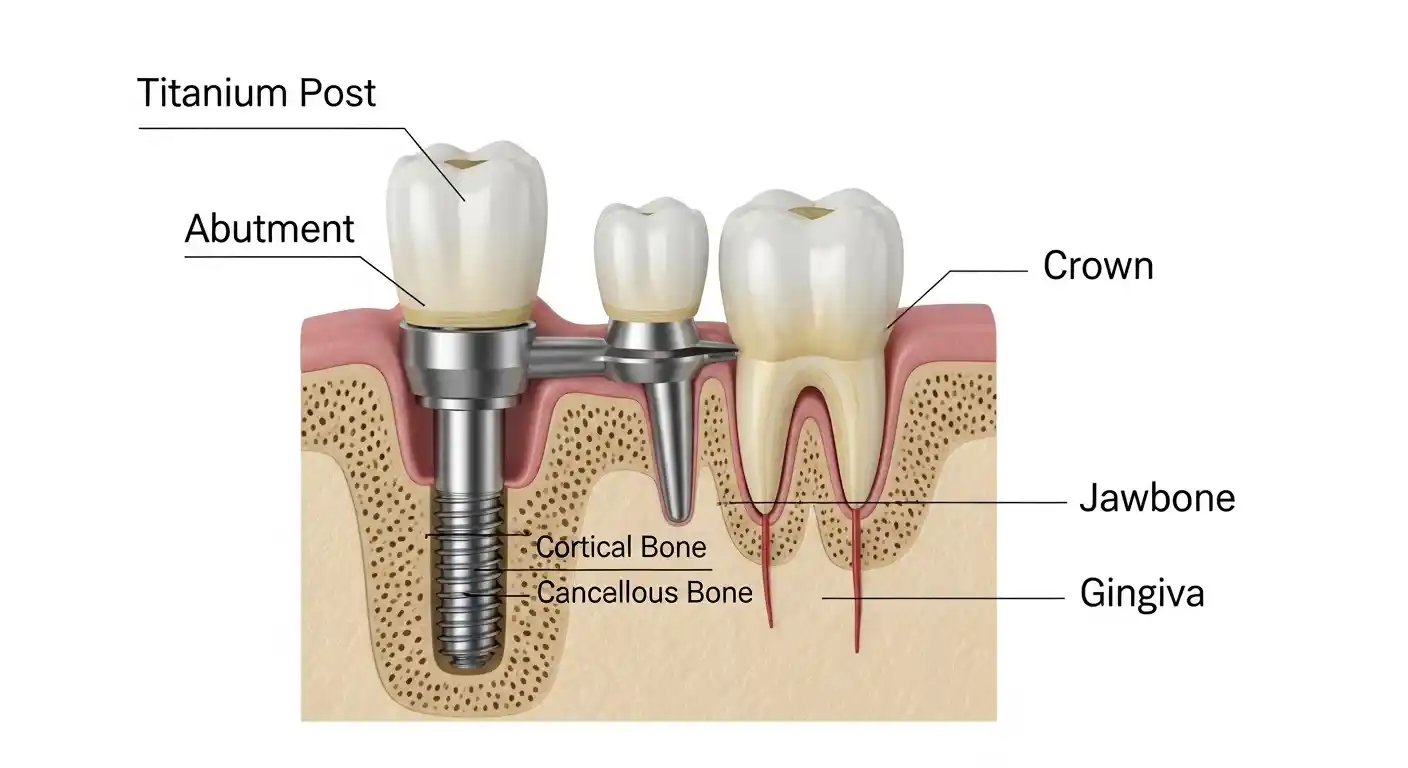
A dental implant consists of three main components. The implant post, typically made from titanium, is a small screw-like fixture surgically placed into your jawbone. The abutment is a connector piece that attaches to the top of the implant post. Finally, the crown is the visible tooth-colored restoration designed to look and function like your natural teeth.
How Dental Implants Replace Missing Teeth
The implant process relies on osseointegration, where the titanium post fuses with your jawbone over several months. This integration creates a strong bond that can withstand chewing and biting forces. Once fully integrated, the abutment and crown are attached, completing your new tooth. This design preserves jawbone density, maintains facial structure, and provides stability that other options cannot match.
Do Dental Implants Last Forever?
Dental implants are known for their exceptional durability, but whether they last forever depends on several factors. While implants are designed for long-term use, their lifespan can vary from person to person based on oral health, lifestyle habits, and ongoing care.
Can Dental Implants Last a Lifetime?
For many patients, the titanium implant post can last a lifetime. Research shows dental implant success rates of over 95% after 10 years, with many implants continuing to function well for decades. In some cases, patients have maintained successful implants for 30, 40, or even 50 years. However, while the implant post itself may be permanent, other components—such as the crown—may need to be replaced over time due to normal wear.
Why Dental Implants Are Designed for Long-Term Use
Dental implants use biocompatible materials that integrate with your body rather than being rejected. Titanium’s unique property of osseointegration means the implant becomes part of your jaw structure, creating stability that improves over time. The design mimics natural tooth anatomy, distributing bite forces evenly and preventing the bone loss that occurs with missing teeth.
How Long Do Different Parts of a Dental Implant Last?
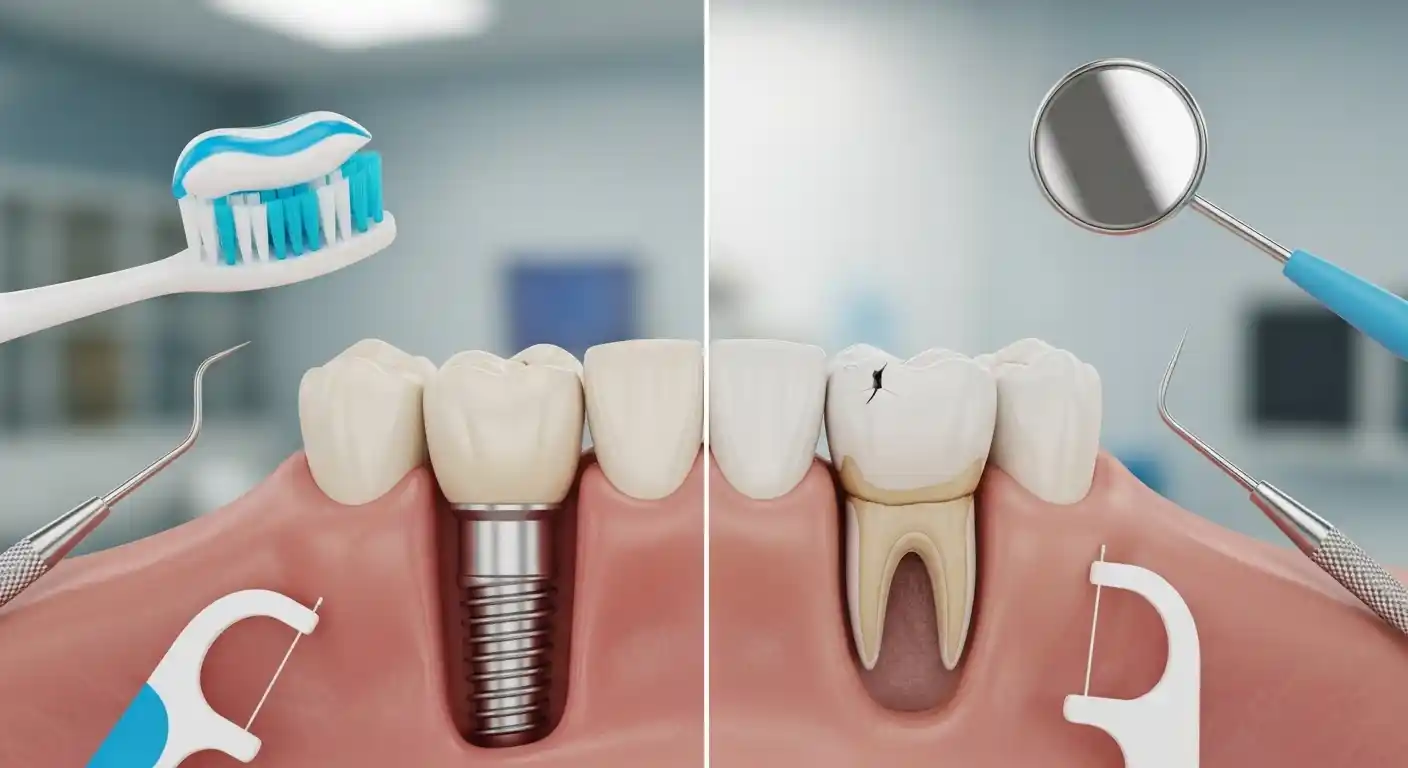
Dental implants are made up of multiple components, and each part has a different lifespan. Understanding how long each component lasts can help set realistic expectations and explain why some parts may need replacement over time.
Lifespan of the Implant Post (Screw)
The titanium implant post is the most durable component and can genuinely last a lifetime. Once successfully integrated into your jawbone, it typically remains stable for decades. Most implant failures involving the post occur within the first few years, usually due to poor initial integration rather than wear over time.
How Long the Abutment Typically Lasts
The abutment generally lasts many years, often matching the lifespan of the implant post. However, abutments may occasionally need replacement if they become loose or damaged. Since abutments are replaceable, your dentist can switch them without disturbing the implant post. With proper care, expect your abutment to last 15 to 20 years or longer.
How Long Dental Crowns on Implants Last
The crown is most likely to need replacement during your lifetime. While highly durable, implant crowns experience wear from chewing, grinding, and temperature changes. On average, implant crowns last 10 to 15 years, though many last longer with excellent care. The material used, your bite force, and daily habits all influence crown longevity. Replacing a crown is relatively simple and doesn’t affect the implant post underneath.
What Factors Affect the Lifespan of Dental Implants?
The long-term success of dental implants depends on several factors related to your oral health, daily habits, and professional care. Understanding these factors can help you protect your investment and enjoy a healthy, lasting smile.
Oral Hygiene and Daily Care
Your daily oral care routine is perhaps the most important factor determining implant lifespan. While implants cannot develop cavities, surrounding gum tissue and bone can still be affected by bacteria and plaque. Brushing twice daily, flossing around the implant, and using antimicrobial mouthwash prevents infection and inflammation. Patients with excellent oral hygiene see their implants last decades longer than those who neglect daily care.
Bone Quality and Osseointegration
The quality and quantity of jawbone at the implant site significantly impacts success rates. Dense, healthy bones provide better support and integration. Patients with conditions affecting bone density, such as osteoporosis, may experience slower osseointegration or increased failure risk. However, many patients with less-than-ideal bone achieve successful long-term implants through bone grafting.
Lifestyle Factors (Smoking, Grinding, Diet)
Smoking is one of the most significant risk factors for implant failure, as nicotine restricts blood flow, impairs healing, and interferes with osseointegration. Smokers have failure rates two to three times higher than non-smokers. Teeth grinding places excessive force on implants and can cause complications or crown damage. Maintaining a balanced diet rich in calcium and vitamin D supports the jawbone. Avoiding extremely hard foods also extends crown lifespan.
Dentist Skill and Implant Placement
The expertise of your oral surgeon plays a crucial role in implant success. Proper placement requires precise positioning, correct angle, and appropriate depth. An experienced professional assesses bone quality, takes detailed imaging, and plans surgery to avoid nerves and sinuses. Choosing a qualified specialist significantly improves long-term success chances.
Common Reasons Dental Implants Can Fail
While dental implants have high success rates, understanding potential complications helps you recognize problems early.
Infection Around the Implant (Peri-Implantitis)
Peri-implantitis is an inflammatory condition affecting tissues surrounding an implant, similar to gum disease. Caused by bacterial infection, it leads to inflammation, gum recession, and bone loss. Without treatment, it can cause implant failure. The condition is often preventable through diligent oral hygiene and regular professional cleanings.
Poor Bone Integration
Sometimes the implant fails to properly fuse with the jawbone. This can occur due to insufficient bone quality, infection, excessive movement during healing, or underlying health conditions like uncontrolled diabetes. Poor integration typically becomes apparent within the first few months. Early detection allows your dentist to remove the failed implant and attempt placement again.
Excessive Bite Force or Teeth Grinding
Chronic grinding subjects implants to forces they weren’t designed to handle continuously. Over time, this can loosen components, crack the crown, or cause bone loss. People who grind their teeth may need a night guard to protect their implants. Similarly, habitually chewing ice or using teeth as tools can damage crowns prematurely.
How to Make Dental Implants Last Longer
Maximizing the lifespan of your dental implants requires consistent care and attention to a few key practices. By following these steps, you can protect your investment and enjoy a healthy, lasting smile for decades.
Best Oral Care Practices for Implant Patients
Treat your implants like natural teeth with thorough daily care. Brush at least twice daily using a soft-bristled toothbrush and low-abrasive toothpaste. Floss daily using unwaxed tape or implant-specific floss to clean around the abutment. Consider using antimicrobial mouthwash to reduce bacteria, and invest in a water flosser for hard-to-reach areas.
Importance of Regular Dental Checkups
Professional monitoring is crucial for catching potential problems early. Schedule checkups and cleanings every six months. During visits, your dentist checks implant stability, assesses surrounding tissue health, takes periodic X-rays to monitor bone levels, and performs professional cleanings. Early intervention dramatically improves outcomes.
When Implant Components May Need Replacement
Even with excellent care, some components may eventually need replacement. Crowns typically show wear after 10 to 15 years, including chips, cracks, or discoloration. Abutments may need replacement if they loosen. These are routine procedures that don’t affect the implant post. Your dentist will monitor wear during checkups and recommend replacement before problems develop.
Dental Implants vs Other Tooth Replacement Options
Understanding how implants compare to alternatives illustrates their superior longevity.
Dental Implants vs Dentures
Traditional dentures typically last 5 to 10 years before needing replacement. They sit on gums and can slip or feel uncomfortable. Dentures also fail to prevent jawbone loss. In contrast, dental implants can last 25 years or more, feel like natural teeth, prevent bone loss, and eliminate slipping concerns. While implants require higher initial investment, their longevity often makes them more cost-effective long-term.
Dental Implants vs Dental Bridges
Dental bridges depend on adjacent teeth for support, requiring healthy teeth to be filed down. Bridges typically last 10 to 15 years and don’t prevent bone loss. When a bridge fails, you may lose the supporting teeth too. Dental implants stand independently, preserve jawbone, and generally last much longer with proper care.
What to Expect During the Dental Implant Process

Understanding the implant procedure helps you prepare for the journey toward permanent tooth replacement.
Initial Consultation and Planning
Your implant journey begins with a comprehensive evaluation. Your dentist takes detailed X-rays or CT scans to assess bone quality, determine optimal placement, and discuss treatment options and timeline. This phase may include bone grafting if necessary. The consultation is your opportunity to ask questions about the procedure, recovery, and costs.
Implant Surgery and Healing Phase
During surgery, performed under local anesthesia or sedation, your dentist creates a small incision to access the jawbone, drills a precise hole, places the titanium post, and closes the incision. Many patients report less discomfort than expected. After surgery, the healing phase begins as osseointegration occurs over three to six months.
Osseointegration Explained
Osseointegration is the process by which bone cells grow onto the titanium surface, incorporating it into your jaw structure. This biological bonding creates the stable foundation that makes implants successful. During this period, bone tissue remodels around the implant threads. Avoiding excessive pressure on the implant site is crucial during healing.
Placement of the Final Crown
Once osseointegration is complete, your dentist attaches the abutment, takes impressions for your custom crown, and schedules final placement. The crown is crafted to match your natural teeth in color, shape, and size. Your dentist checks your bite and makes adjustments so the implant feels completely natural.
Recovery and Long-Term Outlook After Dental Implants
Knowing what to expect during recovery helps you plan appropriately.
How Long Recovery Takes
Initial healing from implant surgery typically takes one to two weeks, during which you may experience mild swelling, minor bruising, and slight discomfort managed with over-the-counter pain medication. Most patients return to work within a day or two. While surface healing occurs quickly, complete osseointegration takes several months.
When You Can Return to Normal Eating
You can typically return to eating most foods once the crown is placed and your dentist confirms stability, usually four to six months after initial surgery. During early healing immediately after surgery, stick to soft foods. As healing progresses, gradually introduce firmer foods while avoiding anything extremely hard. Once your permanent crown is placed, you can eat normally, though avoid using teeth to crack shells or chew ice.
Are Dental Implants Right for You?
Not everyone is an ideal candidate for dental implants, so understanding requirements helps set realistic expectations.
Who Is a Good Candidate for Dental Implants
Ideal candidates have sufficient jawbone to support the implant, healthy gums free from periodontal disease, good overall health, commitment to excellent oral hygiene, and willingness to quit smoking during healing. Most healthy adults are suitable candidates. Even patients initially lacking sufficient bone may become candidates through grafting procedures.
Who May Not Be Suitable for Implants
Certain conditions may make implants inadvisable: uncontrolled diabetes can impair healing, active cancer treatment can affect success rates, severe osteoporosis may provide insufficient bone support, and heavy smoking significantly increases failure risk. Additionally, children whose jawbones are still growing typically need to wait until skeletal maturity. Your dentist will evaluate your specific situation to determine if implants are appropriate.
Transform Your Smile with Dental Implants in Mesa, AZ
Experience top-quality dental care in Mesa, AZ with Valencia Dental Care. From preventive checkups to advanced dental implants, we provide care tailored to your smile. If you want to get your dental implants placed, book your appointment today and take the first step toward a healthier, more confident smile!
Conclusion
Dental implants are a durable, long-term solution for replacing missing teeth, offering stability, natural function, and the ability to preserve your jawbone and facial structure. With proper oral hygiene, regular dental checkups, and healthy lifestyle habits, implants can last decades—or even a lifetime. Understanding the lifespan of each component, factors that influence success, and the proper care routine will help you protect your investment and enjoy a confident, healthy smile for years to come.
Frequently Asked Questions
What are dental implants and how do they work?
Dental implants are artificial tooth roots placed into the jawbone to support replacement teeth. Through a process called osseointegration, the implant fuses with the bone, providing a stable foundation for crowns, bridges, or dentures that look and function like natural teeth.
Are dental implants better than dentures or bridges?
Yes. Unlike dentures or bridges, implants prevent bone loss, provide permanent stability, and function like natural teeth. They typically last longer and feel more comfortable than other replacement options.
Can anyone get dental implants?
Most healthy adults are suitable candidates. Ideal candidates have sufficient jawbone, healthy gums, and good overall health. Some patients may require bone grafting or other procedures to become eligible.
What factors affect the success of dental implants?
Oral hygiene, bone quality, lifestyle habits (like smoking and teeth grinding), and the skill of your dentist all impact implant success and longevity.
How can I make my dental implants last longer?
Maintain excellent oral hygiene, attend regular dental checkups, avoid hard foods or harmful habits, manage teeth grinding with a night guard if needed, and follow your dentist’s care instructions.