


Dentists often recommend avoiding dairy after a dental implant because certain dairy products can increase bacterial growth, interfere with antibiotics, trigger inflammation, and disrupt early healing at the implant site. During the first few days after surgery, the gums and bone are especially vulnerable, and even minor irritation can slow recovery or raise the risk of infection.
In this guide, we’ll explain why the no-dairy rule matters, how long you should follow it, and what to eat instead after dental implant surgery. We’ll also cover when it’s safe to reintroduce dairy for patients in Mesa, AZ, helping you recover safely and protect your new implant.
Understanding the Dental Implant Healing Process
After a dental implant is placed, your body begins osseointegration, a process in which the jawbone gradually bonds with the titanium implant while the surrounding gum tissue heals. This early phase is essential for stabilizing the implant and creating a healthy foundation.
During the first 24 to 72 hours, the implant site is especially vulnerable. Blood clots protect the area as healing begins, but the presence of bacteria in the mouth means any disturbance can increase infection risk and affect long-term implant success.
Why Dentists Recommend Avoiding Dairy After Dental Implants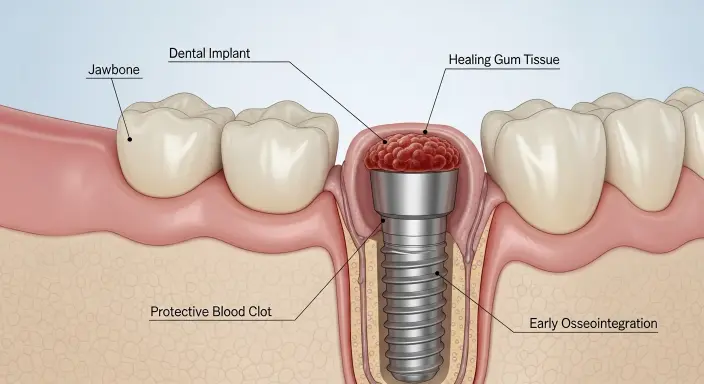
After dental implant surgery, what you eat can directly affect how well your implant heals and integrates with the jawbone. Dentists in Mesa, AZ often recommend temporarily avoiding dairy because it can increase infection risk, interfere with medications, and slow the early stages of healing.
Increased Risk of Bacterial Growth
Dairy products contain lactose and proteins that certain oral bacteria thrive on. When consumed immediately after implant surgery, these substances can settle around the surgical site and create an ideal environment for bacteria like Streptococcus mutans to multiply, increasing the risk of peri-implantitis—a serious infection that can compromise implant stability.
Dairy Proteins and Inflammation
Casein and whey, the main proteins in dairy, can trigger inflammatory responses in some individuals. After dental implant surgery, consuming foods that worsen inflammation can increase swelling, prolong discomfort, and slow tissue recovery, potentially interfering with the implant’s proper integration with the jawbone.
Thick Texture That Clings to the Surgical Site
Many dairy products have a thick consistency that can stick to oral tissues. Milk, yogurt, and soft cheeses leave residues that are hard to remove without brushing or rinsing vigorously—actions you should avoid around a fresh implant—and this lingering film can promote bacterial growth and disrupt the protective blood clot.
Interaction Between Dairy and Antibiotics
Dairy products, especially milk and calcium-fortified foods, can interfere with the absorption of certain antibiotics, such as tetracyclines and fluoroquinolones, by binding to the medication in your digestive system. Avoiding dairy ensures your antibiotics work effectively to prevent post-surgical infections and support successful implant healing.
Is There Scientific Evidence Behind the No-Dairy Recommendation?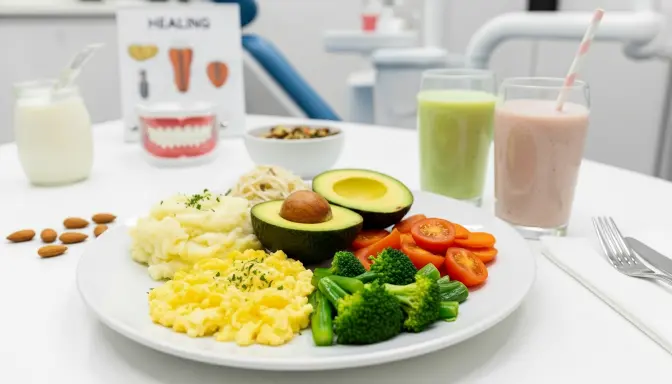
The no-dairy recommendation after dental implant surgery is based primarily on clinical reasoning and observations rather than large-scale randomized controlled trials. Dentists have noted patterns over decades of practice: patients who consume dairy in the first few days after implant placement tend to experience higher rates of minor complications and increased inflammation.
Individual responses to dairy vary considerably. Your dentist’s advice may vary based on factors like the complexity of your surgery, your overall health, and whether you have any dairy sensitivities. The conservative approach of avoiding dairy for at least a few days represents a low-risk strategy that protects the vast majority of patients.
Why Dairy May Trigger Nausea After Anesthesia
Beyond the concerns specific to your implant site, dairy products can cause digestive upset in the hours and days following dental surgery. Local anesthetics, sedation medications, and the stress of surgery can all slow down your digestive system and make your stomach more sensitive than usual.
Many patients report that consuming dairy within the first 24 hours after dental implant surgery leads to nausea, bloating, or an uncomfortable feeling of fullness. Starting with lighter, easily digestible foods gives your digestive system time to recover alongside your surgical site.
How Long Should You Avoid Dairy After a Dental Implant?
First 24–48 Hours
During the first one to two days after your dental implant surgery, you should completely avoid all dairy products. This critical period is when your surgical site is most vulnerable, when infection risk peaks, and when the blood clot protecting your implant is most fragile. Stick exclusively to clear liquids, non-dairy broths, diluted juices, and water during this time.
Days 3–7
From day three through the end of the first week, you can begin expanding your diet to include more soft foods, but most dentists still recommend avoiding dairy products. Your surgical site is healing but remains vulnerable, and the benefits of continuing to avoid dairy continue to outweigh the temporary inconvenience.
When Dairy Can Be Reintroduced Safely
Most patients can safely reintroduce dairy products seven to ten days after straightforward dental implant placement, assuming healing is progressing normally. However, more complex cases may require dairy avoidance for two weeks or longer. The safest approach is to follow your specific dentist’s timeline rather than general guidelines.
What Happens If You Eat Dairy Too Soon?
Consuming dairy products before your implant site has adequately healed can lead to several complications. The most concerning risk is infection at the implant site, which may present as increased pain, swelling, redness, warmth around the implant, bad breath, or discharge. Infections can compromise osseointegration and potentially lead to implant failure.
Delayed healing is another common consequence of premature dairy consumption. The increased bacterial load and potential inflammatory response can slow tissue repair and extend your discomfort.
What to Eat Instead of Dairy After Dental Implant Surgery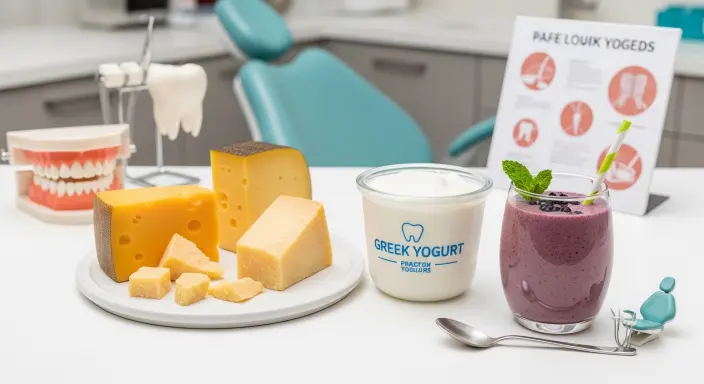
Eating the right foods after dental implant surgery can support healing and prevent complications. Choosing soft, nutrient-dense alternatives to dairy ensures your implant site stays clean and inflammation is minimized.
Best Soft Foods During Implant Recovery
Your post-implant diet should focus on nutrient-dense, soft foods that require minimal chewing. Excellent options include smooth soups and broths (cooled to lukewarm temperature), mashed potatoes made with olive oil or dairy-free butter, scrambled eggs, smooth nut butters, avocado, well-cooked pasta with olive oil, steamed and mashed vegetables, oatmeal made with water or non-dairy milk, and smoothies without dairy products or seeds.
How to Get Enough Protein Without Dairy
Protein is crucial for wound healing. Eggs provide high-quality, easily digestible protein. Pureed beans and lentils offer plant-based protein along with fiber and minerals. Smooth nut butters provide protein and healthy fats. Tofu can be blended into smoothies or eaten soft. Protein powders made from pea, rice, or hemp can be mixed into non-dairy smoothies.
Dairy-Free Alternatives for the First 48–72 Hours
Modern grocery stores offer numerous dairy alternatives. Unsweetened almond milk, oat milk, or coconut milk can replace cow’s milk in smoothies and recipes. Coconut yogurt provides a similar texture to dairy yogurt. Dairy-free ice cream made from coconut, almond, or oat bases can satisfy sweet cravings once you’re past the initial critical period.
Is Ice Cream Advisable After Dental Implant Surgery?
While you might have heard that cold foods help reduce swelling, ice cream presents multiple concerns during early implant recovery. First, it’s a dairy product with all the associated risks. Second, the high sugar content provides additional fuel for oral bacteria, compounding the infection risk.
If your dentist gives you the green light for ice cream (typically not before day seven), opt for dairy-free alternatives with lower sugar content, eat small amounts, and rinse your mouth gently with water afterward.
Can I Eat Normally With Dental Implants?
In the short term immediately following surgery, you cannot eat normally. Your diet restrictions during the first one to two weeks are designed to protect your healing implant and give osseointegration the best possible start.
However, dental implants are designed to function just like natural teeth once fully healed and restored. After your implant has integrated with your bone (typically three to six months) and received its final crown, you should be able to eat virtually any food you could eat with natural teeth.
When Can You Reintroduce Dairy After Dental Implant Surgery?
Reintroducing dairy after dental implant surgery should be done carefully and only when your mouth is ready. Waiting until your surgical site has healed reduces the risk of infection and ensures optimal implant integration.
Low-Risk Dairy Options to Start With
When your dentist clears you to reintroduce dairy, start with lower-risk options. Hard, aged cheeses like cheddar or parmesan are good first choices because they contain less lactose and have a firmer texture that doesn’t cling as much. Plain Greek yogurt can be a reasonable second step. Save fluid milk, soft cheeses, cream-based products, and ice cream for last.
Signs Your Mouth Is Ready for Dairy Again
Look for these positive signs: minimal to no swelling around your implant site, pain levels have decreased to minimal or zero, the surgical area appears pink and healthy rather than red or inflamed, you’re able to gently brush around the implant without discomfort, you’ve been cleared by your dentist at a follow-up appointment, and you’ve completed any prescribed antibiotic course.
Are There Exceptions to the No-Dairy Rule?
While the general recommendation is to avoid dairy after dental implant surgery, some patient-specific factors might modify this advice. Patients with severe protein malnutrition or extremely limited dietary options might receive modified guidance.
Ultimately, the importance of dentist guidance cannot be overstated. Your oral surgeon or implant dentist knows the specifics of your case. Never assume that general advice applies to your situation. When in doubt, call your dentist’s office and ask specific questions.
Warning Signs After Eating Dairy Too Soon
If you consume dairy before your implant site is ready, watch for warning signs such as increasing swelling, persistent pain that doesn’t improve with medication, or redness around the implant area. A bad taste or unpleasant odor can also indicate bacterial buildup or early infection.
More serious symptoms—including fever, discharge, renewed bleeding, or a feeling that the implant is loose—require immediate dental attention. Avoiding dairy during early healing helps reduce these risks and supports long-term implant success.
Expert Dental Implant Care in Mesa, AZ – Protect Your Smile Today
Take the first step toward a healthier, stronger smile in Mesa, AZ. At Valencia Dental Center, our experienced team provides expert dental implant care designed to promote fast healing and long-lasting results. Avoid complications and ensure your implants integrate successfully by following a personalized treatment plan. Whether you’re considering a new implant or need guidance on post-surgery care, we’re here to help every step of the way. Schedule your consultation today and protect your smile for years to come!
Conclusion
Avoiding dairy after dental implant surgery is a simple but important step to support healing, prevent infection, and ensure the long-term success of your implant. By sticking to soft, nutrient-dense, and dairy-free foods during the first week, you minimize bacterial growth, control inflammation, and allow your body to recover optimally. Once your dentist confirms your surgical site is fully healing, you can gradually reintroduce low-risk dairy options like hard cheeses and plain Greek yogurt. Always follow your dentist’s guidance, listen to your body, and watch for warning signs to protect your new implant and maintain a healthy smile.
Frequently Asked Questions
Why should I avoid dairy after dental implant surgery?
Dairy products can increase bacterial growth, trigger inflammation, interfere with antibiotics, and leave residues that cling to your implant site. Avoiding dairy during the first few days helps reduce infection risk, supports proper healing, and ensures the implant integrates successfully with your jawbone.
How long do I need to avoid dairy after my implant?
Most patients should avoid dairy for 7–10 days after a straightforward dental implant. Complex cases may require 2 weeks or longer. Always follow your dentist’s timeline, as it may vary depending on your healing progress and overall oral health.
Can I drink almond milk or other plant-based milks?
Yes! Almond milk, oat milk, coconut milk, and other plant-based alternatives are dairy-free, safe, and easy to digest. They can replace cow’s milk in smoothies, oatmeal, and recipes during the early recovery period without increasing infection risk or interfering with healing.
What foods are safe to eat instead of dairy?
Soft, nutrient-dense foods are best during recovery. Options include smooth soups and broths, mashed potatoes with olive oil or dairy-free butter, scrambled eggs, avocado, well-cooked pasta, steamed and mashed vegetables, oatmeal made with water or non-dairy milk, and smoothies without seeds or dairy. These foods are gentle on the surgical site and promote healing.
When is it safe to reintroduce dairy after implant surgery?
You can gradually reintroduce dairy once your dentist confirms proper healing, usually after 7–10 days for simple cases. Start with low-risk options like hard, aged cheeses (cheddar, parmesan) or plain Greek yogurt, and avoid soft cheeses, fluid milk, cream-based products, and ice cream until your mouth is fully ready.