
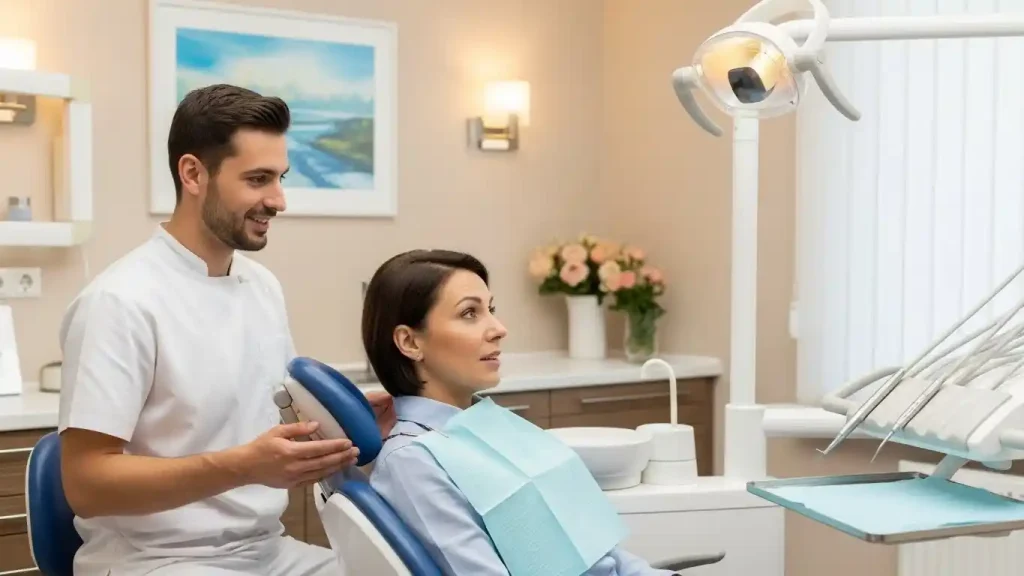




Going to the dentist can feel overwhelming for many people. The sound of dental tools, the thought of pain, or memories of past experiences can make your heart race. You are not alone—dental anxiety and fear of the dentist affect millions of adults and children every year.
The good news is that dental fear is manageable. With the right understanding, preparation, and support, it’s possible to feel calmer and more in control during dental visits. This guide is written for anxious dental patients and explains practical, patient-friendly ways to reduce fear and build confidence over time.
Why Being Afraid of the Dentist Is So Common
It’s normal to feel nervous about dental visits. Many people experience anxiety before or during appointments, even without major dental problems. Understanding that these feelings are common can reduce shame and help you take steps to manage them.
How common dental fear and anxiety really are
Dental anxiety is far more common than many people realize. A significant number of adults report feeling nervous before dental appointments, and many delay or avoid visits because of fear. This anxiety can range from mild uneasiness to intense distress.
Feeling anxious does not mean you’re weak or overreacting. Dental fear is a natural response, especially when care involves close personal space, unfamiliar sounds, and physical sensations that feel out of your control.
Dental anxiety vs dental phobia: what’s the difference
Dental anxiety usually refers to nervousness or worry before or during dental visits. People with dental anxiety may still attend appointments, but they feel stressed, tense, or uneasy.
Dental phobia, also known as dentophobia, is more severe. It often involves intense fear that leads to avoiding the dentist entirely, even when there is pain or visible dental problems. Understanding this difference matters because mild anxiety often improves with reassurance and positive experiences, while dental phobia may require additional emotional support and comfort-focused care.
How fear of the dentist develops over time
Fear of the dentist often develops gradually. A painful or uncomfortable experience early in life, hearing negative stories from others, or feeling rushed or unheard during appointments can all contribute.
Over time, avoiding dental care can make anxiety worse. Small problems become bigger issues, reinforcing fear and making the idea of returning to the dentist feel even more intimidating.
What Triggers Fear of the Dentist
Dental fear usually comes from identifiable triggers rather than being random. Certain sights, sounds, or sensations at the dentist can provoke intense anxiety. Identifying your specific triggers makes it easier to cope and prepare.
Fear of pain, needles, or dental tools
Many anxious dental patients worry about pain, injections, or sharp dental instruments. Even if modern dentistry emphasizes comfort, these fears can feel very real.
Often, the prediction of pain causes more distress than the procedure itself. These fears are frequently based on outdated experiences and may not reflect how gentle dentistry works today.
Loss of control and fear of the unknown
Sitting in a dental chair while someone works in your mouth can feel vulnerable. Not knowing what will happen next or how long a procedure will last often increases anxiety.
For many nervous patients, simply feeling out of control is the biggest trigger. Clear explanations, the ability to ask questions, and knowing you can pause treatment help restore a sense of control.
Embarrassment about teeth or oral health
Some patients avoid dental visits because they feel embarrassed about their teeth, gums, or oral hygiene habits. They may worry about being judged or lectured.
It’s important to remember that dentists see these concerns every day. A supportive dentist’s role is to help improve oral health, not to criticize or shame patients.
Past bad dental experiences
A negative dental experience—whether it involves pain, poor communication, or feeling dismissed—can leave a lasting emotional impact. Even experiences from childhood can influence dental fear years later.
These memories often resurface automatically, making it difficult to separate past experiences from present-day dental care.
How Dental Anxiety Can Affect Your Oral and Overall Health
Avoiding the dentist due to fear has real consequences beyond feeling nervous. Skipping regular care can allow minor dental issues to worsen over time. Chronic oral problems can affect nutrition, confidence, and overall health.
Avoiding dental visits and delayed treatment
When fear of the dentist leads to skipped appointments, dental problems often go unnoticed. Cavities, gum disease, and infections can progress silently.
This pattern may continue for years until discomfort becomes unavoidable. By then, anxiety often feels stronger, and treatment may be more involved than it would have been earlier.
Impact on oral health and chronic dental problems
Avoiding dental care increases the risk of chronic issues such as tooth decay, gum inflammation, and tooth loss. These problems can affect eating, speaking, and overall confidence.
Preventive care helps keep treatment simple and less stressful. Regular visits reduce the likelihood of needing extensive procedures.
The connection between dental anxiety and overall well-being
Oral health is closely connected to overall health. Persistent dental problems can affect nutrition, sleep, and self-esteem.
Dental anxiety can also impact emotional well-being. Worrying about your teeth or hiding your smile can increase stress and reduce quality of life over time.
Simple Things You Can Do Before Your Dental Appointment
Preparing for a dental visit can reduce anxiety significantly. Simple steps, like knowing what triggers your fear or scheduling at a convenient time, can make appointments less stressful. Familiarizing yourself with the office environment ahead of time also helps you feel more in control.
Identifying exactly what scares you
Before your appointment, take time to identify what specifically triggers your fear. Is it pain, needles, embarrassment, or not knowing what to expect?
Writing these concerns down or thinking them through ahead of time can be calming. It also helps you explain your fears more clearly to your dentist.
Choosing a dentist who understands anxious patients
Not all dental clinics are the same. Many dentists focus on gentle dentistry and have experience working with nervous dental patients.
Look for practices that emphasize patient comfort, communication, and anxiety management. Feeling understood can significantly reduce fear.
Scheduling the right time for your appointment
Choose a time of day when you feel most relaxed. Morning appointments often reduce the amount of time spent worrying beforehand.
Avoid scheduling on particularly stressful days or when you feel rushed, as stress can heighten anxiety.
Visiting the clinic before treatment day
A short visit without treatment can help you become familiar with the office environment. Meeting the staff and seeing the space reduces fear of the unknown.
Many dental clinics welcome these visits, especially for anxious patients, and find they help make treatment days feel less intimidating.
How to Stay Calm During a Dental Visit
Staying calm in the dental chair is possible with the right strategies. Anxiety often comes from uncertainty or fear of pain, but you can manage it with communication and relaxation techniques. Knowing what to expect and having coping tools ready can make a huge difference.
Communicating your fears with your dentist
Let your dentist know that you feel anxious. You don’t need to share every detail—simply being honest is enough.
When dentists understand your concerns, they can adjust their pace, explain procedures clearly, and check in regularly during the visit.
This open communication also allows you to feel more in control, making the overall experience less stressful. Even small reassurances from your dentist can help reduce tension.
Asking questions and understanding each step
Knowing what’s happening reduces uncertainty. Ask what a procedure involves, how long it will take, and what sensations you may feel.
Clear explanations help replace fear with understanding and make the experience more predictable.
Asking questions also helps you feel more engaged and informed, which can lessen anxiety before and during treatment.
Using relaxation and breathing techniques
Slow, deep breathing can help calm your nervous system. Focus on breathing in through your nose and out through your mouth.
These techniques may seem simple, but they are effective at slowing stress responses. Practicing them before your appointment makes them easier to use during treatment.
You can also try visualization, imagining a calm, safe place while in the dental chair. Combining breathing and mental focus often enhances relaxation.
Distractions that help reduce anxiety
Distractions help shift focus away from anxious thoughts. Listening to music, podcasts, or guided relaxation can be very effective.
Even small comforts can make dental visits feel shorter and more manageable.
Some patients find holding a stress ball, wearing headphones, or watching a video especially helpful. These simple tools give you something positive to focus on during treatment.
Dental Treatments That Help Reduce Fear and Anxiety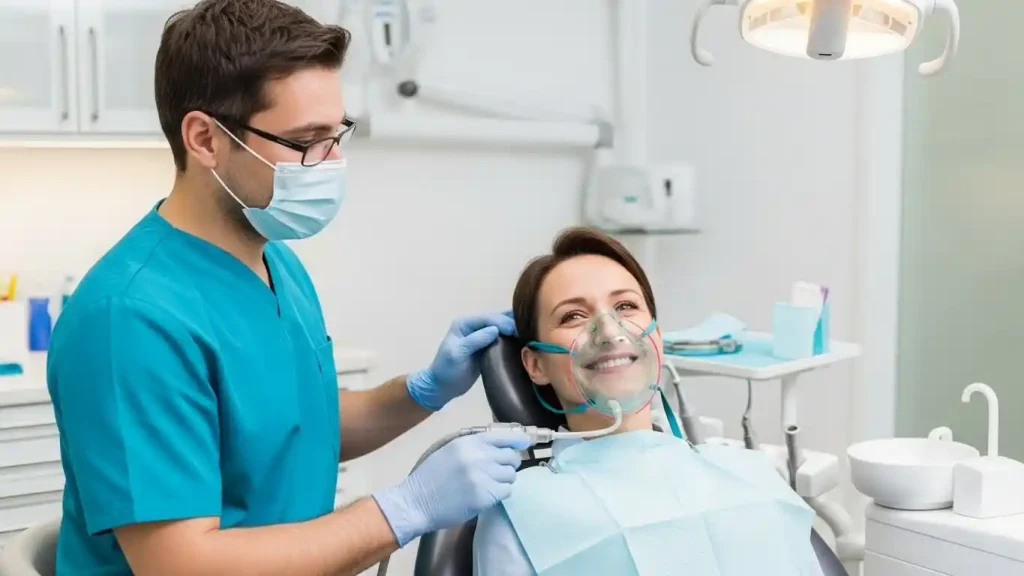
Modern dentistry offers many options to reduce discomfort and fear. Gentle techniques, nitrous oxide, and sedation methods make procedures more tolerable. Understanding these treatments helps patients feel reassured and empowered.
Gentle dentistry and pain management techniques
Modern dentistry places a strong emphasis on comfort. Advances in numbing methods and treatment techniques help minimize discomfort.
Gentle dentistry also involves being attentive to patient needs, working slowly, and making adjustments to ensure comfort throughout the visit.
Your dentist can also tailor treatments to your tolerance, providing breaks and pacing care to reduce stress.
Nitrous oxide (laughing gas)
Nitrous oxide is commonly used to help patients relax during dental treatment. It works quickly and allows patients to remain awake and responsive.
Many anxious patients find it helpful for reducing fear while maintaining awareness.
It’s a safe and effective option for those who feel tense or overwhelmed, and it usually wears off soon after the appointment.
Oral anxiety-relieving medications
In some situations, dentists may discuss oral medications to help reduce anxiety before appointments. These are typically used for moderate anxiety.
These options are not for everyone, but they can be helpful when fear interferes with necessary care. Dentists carefully explain usage and safety.
Planning medication ahead of time with your dentist ensures a comfortable experience while minimizing risks.
Conscious sedation and when it’s recommended
Conscious sedation helps patients feel deeply relaxed while still able to respond. It may be considered for severe anxiety or longer procedures.
This option is discussed individually and includes careful monitoring to ensure patient safety.
Patients often report feeling calm, relaxed, and less aware of time during procedures, which can make dental visits much less intimidating.
Long-Term Strategies to Stop Being Afraid of the Dentist
Overcoming dental fear takes time and consistent effort. Regular visits, preventive care, and building positive experiences help retrain your brain. Small, calm visits create trust and reduce anxiety for future appointments.
Building trust through regular, stress-free visits
Consistency helps reduce fear. Short, preventive visits allow patients to build trust gradually.
Positive, calm experiences help reshape expectations around dental care.
Even brief, routine appointments can reinforce confidence and make more complex treatments easier to handle in the future.
Creating a consistent dental care routine
Good daily oral hygiene reduces the chance of complex dental problems. Brushing, flossing, and routine checkups help keep treatment simple.
Knowing you’re taking care of your teeth can increase confidence before appointments.
Maintaining a routine also gives you a sense of control, which is empowering for anxious patients.
Replacing fear with positive dental experiences
Each calm visit helps retrain your brain. Over time, fear is replaced with familiarity and confidence.
This gradual shift is one of the most effective ways to reduce long-term dental anxiety.
Celebrating small wins, like completing a checkup without distress, strengthens positive experiences and reduces future anxiety.
When Dental Fear Becomes a Phobia
Some patients experience dental fear severe enough to be considered a phobia. This extreme anxiety can prevent necessary care and affect daily life. Recognizing when fear crosses into phobia is important to get the right support.
Signs of severe dental anxiety or dentophobia
Severe dental fear may involve panic attacks, trouble sleeping before appointments, or avoiding dental care for years despite pain.
These signs suggest that additional support may be beneficial.
Recognizing these signs early can help you seek the right care before anxiety causes serious dental or health problems.
Who is more likely to experience dental phobia
Dental phobia can affect anyone, but it’s more common in people with past traumatic experiences, generalized anxiety, or heightened sensitivity.
Understanding risk factors helps normalize the experience and reduce self-blame. Knowing you are not alone in feeling this way can also be reassuring and motivate you to seek support.
When to seek professional help
If dental fear feels overwhelming or prevents care, seeking support is a positive step. Dentists experienced with anxious patients can help create a manageable plan.
In some cases, mental health professionals can also help address deeper emotional aspects of dental phobia.
Combining dental and emotional support ensures both comfort and long-term oral health.
How to Find a Dentist Who Helps Nervous Patients
Finding a dentist experienced with anxious patients is a key part of overcoming fear. Practices that emphasize comfort, empathy, and patient-centered care create positive experiences. Asking the right questions before booking helps reduce uncertainty and build trust.
What to look for in an anxiety-friendly dental practice
Look for practices that highlight comfort-focused care, gentle dentistry, or experience with anxious patients.
A welcoming environment and patient-centered communication are strong indicators. Reading patient reviews or asking for referrals can also help identify dentists who excel in caring for anxious patients.
Questions to ask before booking an appointment
Ask how the dentist helps patients with dental anxiety, what comfort options are available, and whether breaks are allowed.
Asking these questions ahead of time reduces uncertainty and helps you feel more prepared.
This dialogue also sets expectations and signals that your comfort is a priority.
Why communication and empathy matter
Feeling heard and respected is essential for anxious dental patients. Dentists who listen and respond with empathy create safer, calmer experiences.
Trust grows through communication, not pressure.
A dentist who values empathy can make even routine procedures feel manageable, fostering long-term confidence and trust.
Effective Strategies to Reduce Fear of the Dentist
If dental anxiety has been holding you back, At Valencia DC, we’re committed to making your visits as comfortable, relaxed, and fear-free as possible. A compassionate dentist can provide support, gentle techniques, and personalized strategies to help you feel calm during every appointment. Take the first step toward a stress-free visit and book your appointment at Valencia DC today—regain confidence in your oral health and make future visits much easier to manage.
Conclusion
Being afraid of the dentist is common and understandable. Dental anxiety develops for real reasons, but it doesn’t have to control your oral health or quality of life.
With preparation, open communication, and support from a compassionate dentist, fear can lessen over time. If dental anxiety has been holding you back, consider speaking with a dentist you trust about your concerns and comfort options. Taking that first step can make future visits feel far more manageable.
Frequently Asked Questions
What causes dental anxiety and fear of the dentist?
Dental anxiety can develop from past negative experiences, fear of pain, or feeling out of control during treatment. Even hearing stories from others or seeing dental instruments can trigger anxiety. Understanding the cause can help you manage it effectively.
How can I stay calm during a dental visit?
You can stay calm by communicating your fears with your dentist, using deep breathing or relaxation techniques, and bringing distractions like music or podcasts. Gentle dentistry and clear explanations also make visits more manageable.
Are there dental treatments that help reduce fear and anxiety?
Yes, many options exist, including gentle dentistry, nitrous oxide (laughing gas), oral anxiety medications, and conscious sedation. Dentists can recommend the best approach based on your level of anxiety and the procedure.
How do I find a dentist who helps nervous patients?
Look for dental practices that emphasize comfort, empathy, and experience with anxious patients. Ask about anxiety-friendly care options, breaks during procedures, and how they help patients feel at ease before booking your appointment.
When should I seek professional help for severe dental fear?
If anxiety prevents you from attending appointments, causes panic attacks, or significantly affects your oral health, it’s time to seek help. Dentists and, in some cases, mental health professionals can provide strategies and support to manage severe dental phobia.