



 Receding gums affect over 50% of adults over age 30. This condition occurs when gum tissue pulls away from teeth, exposing tooth roots and creating pockets where bacteria can grow. While receded gums cannot grow back naturally, you can stop further recession and protect your oral health with the right approach.
Left untreated, gum recession can lead to tooth sensitivity, root decay, and eventually tooth loss. The exposed roots are vulnerable to bacteria and damage. However, with proper care and treatment, you can stop it from getting worse and keep your gums healthy. This guide covers proven methods to stop receding gums, from home care techniques to professional treatments.
What Are Receding Gums?
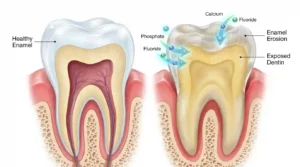
Receding gums happen when the gum tissue around your teeth pulls back or wears away. This exposes more of your tooth and sometimes even the tooth root. When this happens, small gaps or pockets form between your teeth and gums. These spaces become perfect hiding spots for bacteria that can damage your teeth and gums even more.
Think of your gums like a protective blanket for your teeth. When that blanket pulls away, your teeth become vulnerable to problems.
How to Tell If Your Gums Are Receding
Many people don’t realize their gums are receding because it happens slowly over time. Here are the main warning signs to watch for:
Early Signs
- Your teeth look longer than they used to
- You can see or feel a notch near your gum line
- Your gums feel tender or swollen
- Your teeth feel sensitive to hot or cold foods and drinks
Later Signs
- Red or swollen gums
- Bleeding when you brush or floss
- Pain along your gum line
- Bad breath that won’t go away
- Loose teeth (in severe cases)
If you notice any of these signs, don’t ignore them. The earlier you catch gum recession, the easier it is to stop.
What Causes Gums to Recede?
Understanding why gums recede can help you prevent the problem. Here are the most common causes:
Gum Disease
This is the number one reason gums recede. When bacteria build up on your teeth, they cause infections that destroy gum tissue and the bone supporting your teeth.
Brushing Too Hard
Many people think brushing harder means cleaner teeth. But brushing aggressively or using a hard-bristled toothbrush can actually wear away your gums and tooth enamel.
Not Taking Care of Your Teeth
If you don’t brush and floss regularly, plaque builds up and turns into tartar. This hard substance sticks to your teeth and pushes your gums away.
Smoking and Tobacco
People who use tobacco are much more likely to develop gum problems. Tobacco makes sticky plaque that’s hard to remove.
Grinding Your Teeth
Clenching or grinding your teeth puts too much pressure on them and can cause your gums to pull back.
Genetics
Some people are simply born with weaker gums or are more likely to get gum disease, no matter how well they care for their teeth.
Hormonal Changes
Women may notice their gums become more sensitive during pregnancy, puberty, or menopause.
How to Stop Receding Gums at Home
While you should always see a dentist for receding gums, there are several things you can do at home to help stop them from getting worse.
Use the Right Brushing Technique
The proper way to brush:
- Use a soft-bristled toothbrush
- Hold your brush at a 45-degree angle to your gums
- Use gentle, circular motions
- Brush for at least two minutes, twice a day
- Never scrub back and forth aggressively
Think of brushing like washing a delicate piece of clothing—be gentle but thorough.
Floss Daily
Flossing removes food and plaque from between your teeth where your toothbrush can’t reach. Floss at least once a day, being careful not to snap it against your gums.
Try Oil Pulling
This ancient remedy involves swishing oil in your mouth to remove bacteria. Here’s how to do it:
- Use one tablespoon of coconut oil or sesame oil
- Swish it around your mouth for 15-20 minutes in the morning
- Spit it out (don’t swallow it)
- Rinse with warm water and brush your teeth
Oil pulling can help reduce bacteria that cause gum problems.
Use Saltwater Rinse
Salt water is a natural antibacterial solution that reduces gum inflammation.
How to make it:
- Mix one teaspoon of salt in a cup of warm water
- Swish it around your mouth for 30 seconds
- Spit it out
- Do this 2-3 times a day
Drink Green Tea
Green tea contains antioxidants that fight bacteria and reduce inflammation. Drinking one or two cups of unsweetened green tea daily can help protect your gums.
Apply Aloe Vera Gel
Aloe vera has healing properties that can soothe your gums. You can apply pure aloe vera gel directly to your gums and gently massage it in. Let it sit for a few minutes, then rinse.
Use Hydrogen Peroxide Rinse
This can help kill bacteria and reduce gum swelling.
How to use it:
- Mix equal parts 3% hydrogen peroxide and water
- Swish it around your mouth for 30 seconds
- Spit it out completely
- Use this rinse a few times a week
Important: Never swallow hydrogen peroxide.
Professional Treatments for Receding Gums
When home remedies aren’t enough, your dentist has several treatment options.
Deep Cleaning (Scaling and Root Planing)
This is often the first treatment for mild gum recession. Your dentist will:
- Remove plaque and tartar from above and below your gum line
- Smooth the root surfaces to help your gums reattach
- May apply antibiotics to kill remaining bacteria
Gum Graft Surgery
For more serious cases, your dentist might recommend a gum graft. There are three main types:
- Connective Tissue Graft The most common type. Your dentist takes tissue from under the roof of your mouth and stitches it to the area where your gums have receded.
- Free Gingival Graft Similar to above, but tissue is taken directly from the roof of your mouth instead of from under a flap.
- Pedicle Graft If you have enough gum tissue near the affected tooth, your dentist can graft tissue from that nearby area.
Pinhole Surgical Technique
This is a newer, less invasive option. Your dentist makes a tiny hole in your gum tissue and uses special tools to gently stretch and reposition the gum to cover the exposed root.
How to Prevent Gums from Receding Further
Once you’ve addressed receding gums, follow these steps to keep them from getting worse:
Practice Good Oral Hygiene
- Brush twice daily with a soft brush
- Floss every day
- Use an antibacterial mouthwash
Quit Smoking
If you smoke, quitting is one of the best things you can do for your gum health.
Eat a Healthy Diet
Foods rich in vitamin C and vitamin D help keep your gums healthy. Include plenty of:
- Oranges, strawberries, and bell peppers (vitamin C)
- Fish, eggs, and fortified milk (vitamin D)
- Leafy greens like spinach and kale
- Dairy products
Avoid sugary foods and drinks that feed harmful bacteria.
Manage Teeth Grinding
If you grind your teeth at night, ask your dentist about a night guard to protect your teeth and gums.
Use the Right Products
- Choose a toothbrush with soft bristles
- Consider an electric toothbrush with a pressure sensor
- Use toothpaste designed for sensitive teeth if needed
Stay Hydrated
Drinking plenty of water helps wash away food particles and bacteria. It also helps your mouth produce saliva, which naturally protects your teeth and gums.
Important Things to Remember
- Gums don’t grow back on their own. Once your gums have receded, they won’t return to their original position without treatment. However, you can definitely stop them from receding more and protect what you have.
- Don’t wait to get help. The longer you wait to treat receding gums, the more damage can occur. Early treatment is always easier and less expensive than waiting until the problem is severe.
- Be patient with home remedies. Natural remedies can help, but they take time to show results. Don’t expect overnight changes.
- Professional treatment is sometimes necessary. While home care is important, some cases need professional dental treatment. Don’t rely only on home remedies if your dentist recommends professional care.
When to See a Dentist
Make an appointment with your dentist if you notice:
- Your teeth looking longer
- Visible tooth roots
- Persistent sensitivity to hot or cold
- Bleeding gums
- Loose teeth
- Pain in your gums
Your dentist can examine your gums, measure the recession, and create a treatment plan that’s right for you.
Take Action Before Gum Recession Gets Worse
Receding gums won’t fix themselves, but early treatment can stop the damage and protect your smile. If you’re noticing sensitivity, exposed roots, or changes in your gums, now is the time to act. A professional dental exam can identify the cause, stop further recession, and help you avoid tooth loss or costly procedures later. Don’t wait for symptoms to worsen—schedule a dental consultation today and take the first step toward healthier gums and long-term oral health.
Conclusion
Receding gums affect millions of people, but you have the power to stop them from getting worse. By combining good oral hygiene habits, natural home remedies, and professional dental care when needed, you can protect your gums and keep your smile healthy for years to come.
Remember, your gums are just as important as your teeth. Taking care of them now will save you from bigger problems down the road. Start today with simple steps like brushing gently, flossing daily, and scheduling regular dental checkups. Your future self will thank you! Take control of your gum health today—your smile depends on it.
Frequently Asked Questions
Can receding gums grow back?
No, receding gums cannot grow back naturally. However, you can stop them from getting worse through proper oral hygiene, lifestyle changes, and professional treatments like deep cleaning or gum grafting.
What causes gums to recede?
Gums recede due to gum disease, brushing too hard, poor oral hygiene, smoking, teeth grinding, genetics, and hormonal changes. These factors weaken gum tissue and expose more of the tooth or root.
How can I tell if my gums are receding?
Signs include longer-looking teeth, tooth sensitivity, a notch near the gum line, swollen or tender gums, bleeding when brushing or flossing, persistent bad breath, and loose teeth in severe cases.
How can I stop my gums from receding at home?
You can slow or stop further gum recession by brushing gently with a soft-bristle brush, flossing daily, using saltwater rinses, drinking green tea, trying oil pulling, managing teeth grinding, and maintaining a healthy diet.
When should I see a dentist for receding gums?
Visit a dentist if you notice exposed roots, tooth sensitivity, bleeding gums, pain, bad breath that doesn’t improve, or loose teeth. Early professional care prevents serious damage and improves long-term gum health.