
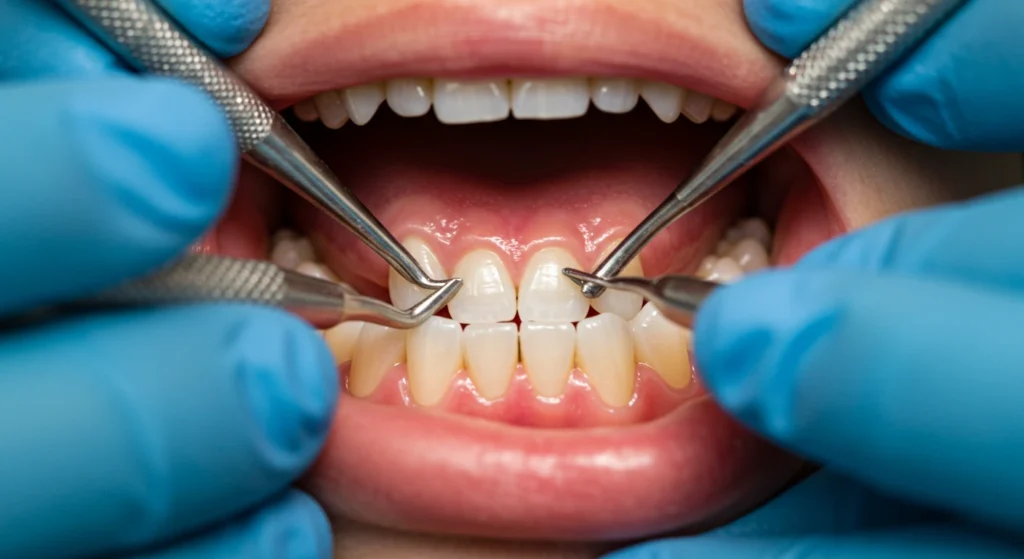





Does scaling and root planing hurt? The treatment may cause some discomfort, especially when the gums are inflamed or sensitive. However, local anesthesia can help numb the treatment area, making deep cleaning more comfortable. Patients may feel pressure or vibration during the procedure, while mild gum soreness or tooth sensitivity can occur afterward.
At Valencia Dental Care in Mesa, AZ, our dental team helps patients understand what to expect during scaling and root planing, how discomfort is managed, and what they can do to support recovery.
What is Scaling?
Dental scaling removes plaque and hardened tartar from tooth surfaces, including areas below the gumline when periodontal treatment is needed. Dental professionals use specialized hand instruments or ultrasonic scalers to clean areas that regular brushing and flossing cannot effectively reach.
Scaling is an important part of treating gum disease because removing bacterial deposits helps reduce inflammation and supports healthier gum tissue. The depth of cleaning depends on the condition of the gums and whether periodontal pockets are present.
What is Root Planing?
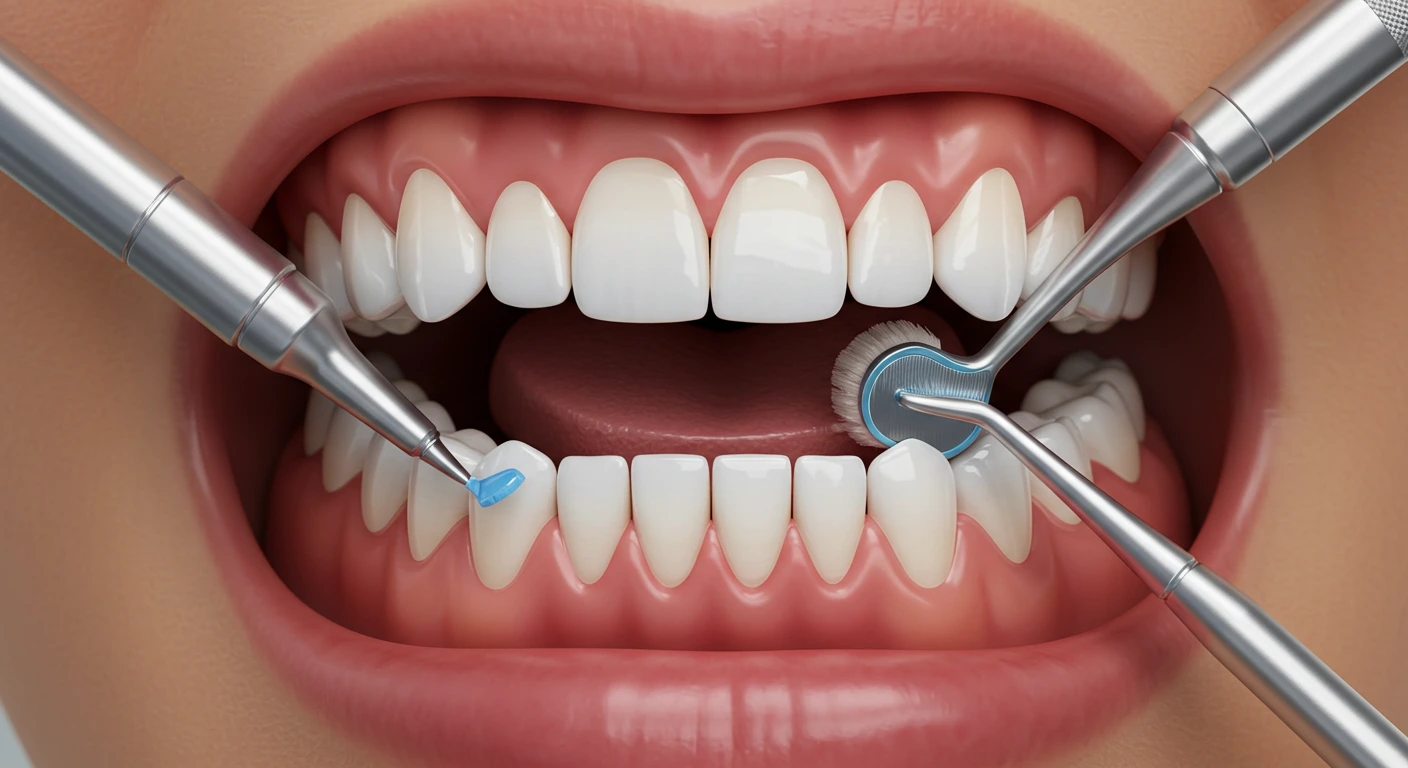
Root planing is part of deep periodontal cleaning that involves removing bacterial deposits and smoothing affected tooth root surfaces below the gumline. This treatment helps create a cleaner root surface and supports healing by reducing the irritation and inflammation associated with periodontal disease.
Scaling and root planing may be completed in one appointment or divided into multiple visits, depending on the number of affected areas and the severity of gum disease. Although treatment can improve gum health and reduce periodontal pocket depths, ongoing oral hygiene and professional maintenance remain important.
Is Scaling More Painful Than Root Planing?
Root planing may cause more discomfort than routine scaling because it involves cleaning and smoothing tooth roots below the gumline. However, neither procedure is necessarily painful for every patient. The experience depends on gum inflammation, the depth of periodontal pockets, tooth sensitivity, and whether local anesthesia is used.
Dental scaling removes plaque and tartar from tooth surfaces, including areas below the gumline when treating periodontal disease. Root planing focuses on cleaning and smoothing the root surfaces to help the gums heal.
| Feature | Dental Scaling | Root Planing |
|---|---|---|
| Treatment area | Above and below the gumline | Tooth roots below the gumline |
| Common sensations | Pressure, vibration, or sensitivity | Pressure or sensitivity around deeper gum pockets |
| Pain level | Usually manageable; varies by cleaning depth | May cause more discomfort without numbing |
| Local anesthesia | Sometimes needed for deep scaling | Often used when treating sensitive or deeper areas |
| After treatment | Possible mild gum tenderness | Possible gum soreness and tooth sensitivity |
The depth of cleaning and the condition of the gums often matter more than the procedure’s name. Local anesthesia can help reduce pain during deeper treatment, although patients may still feel pressure or movement.
Why These Procedures Are Necessary
Scaling and root planing are needed when gum disease begins to affect your teeth and gums. If not treated, gum disease can lead to tooth loss, bad breath, and even health issues like heart problems. These procedures help stop that damage and give your mouth a fresh start.
Healthy gums are the foundation of a strong smile. Scaling and root planing clean out infection and give your gums a chance to heal. They are often the first step your dentist will recommend when signs of gum disease are found during a checkup at Valencia Dental Care.
Does Scaling and Root Planing Hurt?
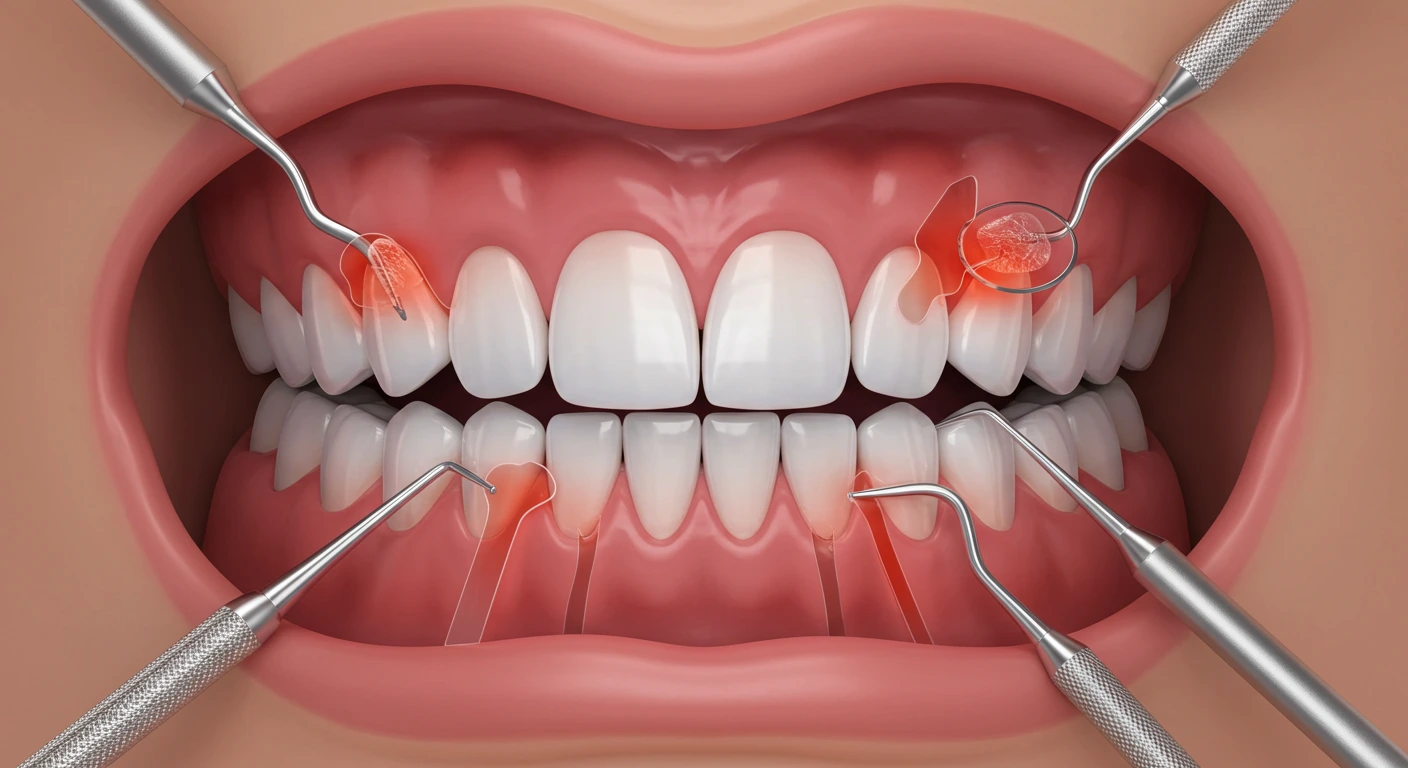
Scaling and root planing can cause discomfort, but the procedure is often manageable with local anesthesia. Deep cleaning around inflamed gums may cause sensitivity, particularly when removing tartar from below the gumline. Once the treatment area is numb, patients may notice pressure or movement rather than sharp pain.
The amount of discomfort depends on gum inflammation, periodontal pocket depth, individual sensitivity, and the extent of cleaning required. Patients should tell the dental team if they experience pain during treatment so their comfort can be reassessed.
What Does Scaling and Root Planing Feel Like?
During scaling and root planing, patients may feel pressure, vibration, or the movement of dental instruments against their teeth. Cleaning inflamed gums or deeper periodontal pockets may cause sensitivity, especially without local anesthesia.
When local anesthesia is used, the treated area becomes numb, helping reduce pain. Patients may still notice pressure or vibration, but these sensations do not necessarily mean the treatment is painful.
Some patients experience mild discomfort, while others feel little pain during the procedure. The experience varies depending on gum health, individual sensitivity, and the extent of cleaning needed. If discomfort occurs, patients should let our dental team know so treatment comfort can be reassessed.
Post-Procedure Sensitivity
After the procedure, it’s common to feel some tenderness or sensitivity, especially when eating hot or cold foods. This is normal and usually lasts for a few days. Your gums might also feel sore or slightly swollen, but these symptoms fade as your mouth begins to heal.
To make things easier, your dentist may suggest using a soft toothbrush and avoiding crunchy or spicy foods. Most patients say the minor discomfort is worth the clean, fresh feeling they get after the treatment.
How Long Does Pain Last After Scaling and Root Planing?
Pain after scaling and root planing usually lasts one to two days, although tooth sensitivity may continue for up to a week. Mild gum tenderness, temporary swelling, and slight bleeding can also occur as the treated tissues begin healing.
According to the American Dental Association, discomfort after deep cleaning is generally temporary, but recovery varies depending on the condition of the gums and the extent of treatment.
What to Expect During Recovery
Recovery after scaling and root planing varies depending on the condition of the gums and how much treatment was needed. Most patients experience temporary soreness or tooth sensitivity that gradually improves. The following timeline explains common symptoms during the first week after deep cleaning.
- First 24 hours: As local anesthesia wears off, patients may notice mild gum soreness, tenderness, or sensitivity around the treated teeth.
- Days 1–2: Mild discomfort may continue, especially when brushing sensitive areas or eating certain foods. Symptoms should generally begin improving.
- Days 3–7: Most soreness should continue to settle, although some teeth may remain sensitive to hot or cold temperatures.
- After one week: Sensitivity may take longer to resolve in some patients. Persistent or worsening symptoms should be discussed with the dental team.
The recovery period is not the same for everyone. Following the recommended aftercare instructions and maintaining gentle oral hygiene can support healing. Pain that becomes more severe instead of improving should not be considered a normal part of recovery.
Managing Discomfort Effectively
Managing discomfort during and after scaling and root planing involves appropriate numbing, gentle aftercare, and pain-relief measures when needed. Local anesthesia can reduce discomfort during deep cleaning, while proper oral hygiene and following post-treatment instructions can support healing. Our dental team can recommend suitable comfort measures based on individual needs and the extent of treatment.
Anesthetic Options for Comfort
To help with comfort, your dentist will usually apply a local anesthetic before starting the procedure. This numbs the treatment area so you don’t feel pain. In some cases, a topical numbing gel may be used instead if your discomfort is mild.
If you have dental anxiety, sedation options like nitrous oxide may also be offered to help you relax. At Valencia Dental Care, our team will discuss all the options with you and choose what’s best for your comfort.
Post-Procedure Care Tips
After the treatment, taking care of your mouth is key to healing well. Rinse with a saltwater solution or a mouthwash recommended by your dentist to reduce swelling. Stick to soft foods like soup, yogurt, and mashed potatoes for a day or two.
Avoid hard, spicy, or very hot foods that might irritate your gums. Brush gently and use a soft-bristled toothbrush. Good home care helps speed up healing and keeps your gums feeling better sooner.
Medications for Pain Relief
If you’re feeling sore, over-the-counter pain relievers like ibuprofen or acetaminophen can help. Always follow the directions or ask your dentist what’s safe to take. These medications reduce swelling and discomfort after treatment.
In rare cases, your dentist might prescribe a stronger pain reliever or an antibiotic if there’s a risk of infection. But for most people, simple medications and rest are all that’s needed to feel better quickly.
When Should You Call a Dentist After Deep Cleaning?
Mild soreness and temporary sensitivity are common after scaling and root planing. However, pain that becomes worse instead of improving, significant swelling, or persistent bleeding may indicate a problem that requires professional evaluation.
Contact our dental team if you experience any of the following symptoms:
- Severe or increasing pain: Discomfort that worsens over time or is not controlled by the recommended pain-relief measures should be evaluated.
- Persistent heavy bleeding: Slight bleeding may occur after deep cleaning, but heavy bleeding or bleeding that does not settle requires prompt dental advice.
- Increasing gum swelling: Swelling that continues to worsen, particularly when accompanied by significant tenderness, may indicate a complication.
- Fever or unusual discharge: Fever, pus, or a persistent unpleasant taste associated with swelling may indicate infection and should be assessed promptly.
- Sensitivity that does not improve: Tooth sensitivity lasting longer than expected may need evaluation, particularly if it interferes with eating or drinking.
Facial swelling accompanied by difficulty breathing or swallowing requires emergency medical attention.
Patients should also attend their recommended follow-up appointment. This allows the dental team to evaluate gum healing, measure periodontal pockets when appropriate, and determine whether additional care is necessary.
Alternatives and Preventive Approaches
Preventing gum disease starts with consistent plaque removal and regular dental examinations. Mild gum inflammation may improve with professional cleaning and better daily oral hygiene, while established periodontitis may require scaling and root planing. Preventive care helps reduce the risk of future periodontal problems, but home care alone cannot replace treatment when deeper gum disease is present.
Preventing the Need for Deep Cleaning
Good oral hygiene habits can help you avoid the need for scaling and root planing in the first place. Brushing twice a day, flossing daily, and visiting the dentist for regular checkups keep your gums healthy and strong.
If plaque is removed before it hardens into tartar, there’s less risk of gum disease. That’s why catching issues early is so important. Valencia Dental Care offers preventive cleanings and tips to help you stay ahead of gum problems.
Get Professional Gum Care at Valencia Dental Care in Mesa, AZ
If you are worried about discomfort during deep cleaning or have noticed bleeding, swollen, or sensitive gums, a professional dental examination can help determine whether periodontal treatment is necessary.
At Valencia Dental Care in Mesa, AZ, our team evaluates gum health, explains treatment recommendations, and discusses ways to manage discomfort during dental care. We can help you understand whether scaling and root planing is appropriate for your oral health needs.
Don’t let concerns about pain prevent you from addressing persistent gum problems. Schedule your appointment to discuss your symptoms and available treatment options.
Conclusion
Scaling and root planing might sound intimidating, but they are safe, effective treatments that help protect your gums and teeth. Thanks to modern techniques, local anesthesia, and gentle care, most patients feel little to no pain during or after the procedure.
At Valencia Dental Care, we’re here to make your dental experience as easy and stress-free as possible. If you’re noticing signs of gum disease or just want a cleaner, healthier smile, we’re ready to help without fear, and with results you can feel.
Frequently Asked Questions
Does Scaling and Root Planing Hurt Without Anesthesia?
Scaling and root planing can cause discomfort without anesthesia, especially when cleaning inflamed gums or deep periodontal pockets. Local anesthesia is often used to reduce pain during treatment.
How Long Does Numbness Last After Scaling and Root Planing?
Numbness commonly lasts a few hours after treatment, depending on the type and amount of local anesthetic used. Avoid chewing until normal sensation returns to prevent accidentally biting your cheek or tongue.
Can I Go Back to Work After Scaling and Root Planing?
Most patients can return to work or normal activities the same day after treatment with local anesthesia. However, temporary numbness, gum tenderness, or additional sedation may affect when you can resume certain activities.
Will I Need More Than One Scaling and Root Planing Appointment?
Some patients need multiple appointments, especially when several areas of the mouth require deep cleaning. The number of visits depends on the extent of gum disease and the treatment plan.
Is Bleeding Normal After Scaling and Root Planing?
Slight gum bleeding can occur after scaling and root planing, particularly when the gums are inflamed. It should gradually improve. Heavy or persistent bleeding requires professional dental advice.
What Should I Do If My Gums Hurt Days After Root Planing?
Mild soreness or tooth sensitivity may last several days after root planing. Follow your dental team’s aftercare instructions and contact the office if pain worsens, swelling increases, or symptoms fail to improve.