



Many people notice that their teeth still look yellow even though they brush regularly. The simple answer is that brushing mainly removes plaque, food particles, and surface bacteria, but it does not always change the natural color of your teeth.
Even with good brushing habits, teeth can appear yellow due to common causes like coffee or tea stains, tobacco use, plaque or tartar buildup, enamel wear over time, or certain medications. In Mesa, AZ, if discoloration is caused by stains or buildup, professional dental cleaning or whitening treatments can help improve the appearance of your smile.
Are Teeth Supposed to Be White?
Teeth are not naturally pure white, even though that is often how they are portrayed in advertisements and media. Healthy teeth typically range in color from light ivory to slightly yellow. This natural variation is normal and depends on several factors, including genetics, enamel thickness, and the underlying structure of the tooth.
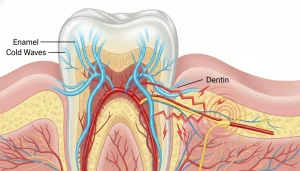
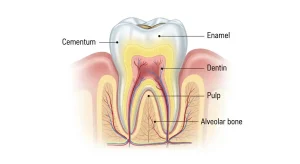
The outer layer of the tooth, called enamel, is slightly translucent rather than completely white. Beneath it is dentin, a layer that naturally has a yellowish tone. Because enamel allows some of the dentin color to show through, many people’s teeth appear slightly yellow even when they are clean and healthy. This means that a mild yellow shade does not necessarily indicate poor oral hygiene or unhealthy teeth.
9 Reasons Your Teeth Look Yellow Even If You Brush Regularly

Even if you brush twice a day, several factors can cause your teeth to appear yellow. Some of these causes are natural, while others are related to lifestyle habits or oral hygiene practices.
Natural Tooth Color and Genetics
Your natural tooth color is largely influenced by genetics. Just as people inherit traits like eye color or hair color, they can also inherit the natural shade and thickness of their tooth enamel.
Some individuals naturally have slightly yellow-toned teeth because the dentin beneath the enamel is darker or more visible. When enamel is thinner, more of the yellow dentin shows through, which can make teeth appear less white even when they are clean and healthy.
Foods and Drinks That Stain Teeth
Diet is one of the most common reasons teeth develop a yellow tint over time. Many foods and beverages contain strong pigments called chromogens that can attach to tooth enamel and gradually cause staining. These stains often build up slowly and may not be noticeable at first.
Common staining items include coffee, tea, red wine, soda, curry, and dark berries. Even with regular brushing, repeated exposure to these pigments can slowly change the appearance of your teeth.
Smoking or Tobacco Use
Smoking or using tobacco products is a major cause of yellow or brown stains on teeth. Tobacco contains nicotine and tar, which easily cling to tooth enamel and discolor the surface. Over time, these substances can leave noticeable stains on the teeth.
These stains can penetrate deeper into the enamel, making them harder to remove with brushing alone. In many cases, professional cleaning or whitening treatments are needed to improve the appearance of tobacco-stained teeth.
Plaque and Tartar Buildup
Plaque is a sticky film of bacteria and food particles that forms on the teeth throughout the day. If plaque is not removed regularly through brushing and flossing, it can make teeth appear dull or slightly yellow. Poor oral hygiene habits can allow plaque to accumulate more quickly.
When plaque hardens, it becomes tartar, which often appears yellow or brown along the gumline. Unlike plaque, tartar cannot be removed with brushing and requires professional dental cleaning.
Aging and Enamel Wear
As people age, natural changes occur in the structure of their teeth. One of the most common changes is the gradual thinning of tooth enamel. Daily wear from chewing and brushing slowly affects the enamel surface.
When enamel wears down over time, the yellow dentin layer underneath becomes more visible. This can cause teeth to appear darker or more yellow even when a person maintains good oral hygiene.
Poor Brushing Technique
Sometimes teeth appear yellow simply because they are not being cleaned effectively. Brushing too quickly or missing certain areas can leave plaque behind on the tooth surface. Proper brushing technique is essential for removing plaque effectively.
Common brushing mistakes include brushing for less than two minutes, skipping back teeth, or not cleaning along the gumline. Over time, leftover plaque can build up and affect the appearance of your teeth.
Certain Medications
Some medications can cause tooth discoloration as a side effect. This type of discoloration often develops while teeth are still forming, especially during childhood. In some cases, the discoloration can become permanent.
For example, tetracycline antibiotics can cause gray or yellow staining in developing teeth. Other medications, including certain antihistamines and blood pressure drugs, may also contribute to tooth discoloration.
Excess Fluoride Exposure
Fluoride is important for strengthening teeth and preventing cavities. However, excessive fluoride exposure during childhood can sometimes lead to a condition called dental fluorosis. This condition affects the way tooth enamel develops.
Dental fluorosis can cause white streaks, yellow patches, or brown spots on the teeth. These changes occur while the teeth are developing and may remain visible throughout life.
Enamel Erosion from Acidic Foods
Frequent consumption of acidic foods and beverages can gradually weaken tooth enamel. Acid slowly erodes the protective enamel layer, making it thinner over time. This process can affect both the strength and appearance of teeth.
Common acidic drinks include soft drinks, sports drinks, citrus juices, and energy drinks. As enamel erodes, the yellow dentin underneath becomes more visible, causing teeth to appear more yellow.
Yellow Teeth vs. Stained Teeth – What’s the Difference?
Understanding the difference between yellow teeth and stained teeth is important when deciding how to improve tooth color. Surface stains occur on the outer layer of enamel. They are usually caused by food, beverages, or tobacco use. These stains are often easier to remove with professional dental cleaning or whitening treatments.
Intrinsic discoloration occurs inside the tooth structure. It can be caused by genetics, aging, medications, or certain dental conditions. Because the discoloration lies beneath the enamel, it may require stronger cosmetic treatments to improve. Identifying the type of discoloration helps determine which treatment options will be most effective.
How to Make Yellow Teeth Look Whiter

Although some degree of tooth discoloration is natural, there are several ways to improve the appearance of yellow teeth.
Improve Daily Oral Hygiene
Maintaining good oral hygiene is the foundation of a healthy smile. Proper brushing and flossing help remove plaque and prevent surface stains from building up. Consistent daily care also supports overall oral health.
Dentists typically recommend:
- Brushing at least twice a day
- Brushing for two full minutes
- Flossing once daily
- Using fluoride toothpaste
These habits help keep teeth clean and reduce the risk of plaque and tartar buildup.
Professional Dental Cleaning
Professional dental cleanings are one of the simplest ways to improve the appearance of your teeth. During a cleaning appointment, a dental hygienist removes plaque and tartar that cannot be removed with brushing alone. This process helps restore a cleaner and healthier smile.
After the tartar is removed and the teeth are polished, many people notice their smile looks brighter and fresher. Regular cleanings also help prevent gum disease and other oral health problems.
Professional Teeth Whitening
For people who want noticeably whiter teeth, professional whitening treatments can provide significant results. These treatments are designed to safely remove stains and brighten tooth color. Dentists offer two main types of whitening options.
In-office whitening treatments use stronger whitening agents and specialized equipment to brighten teeth in a short amount of time. Many patients see visible improvements after just one appointment. Take-home whitening trays are another option.
Dentists provide custom trays and professional whitening gel that patients can use at home over several days or weeks. Professional whitening treatments are generally more effective than over-the-counter products because they use stronger whitening agents and are tailored to the patient’s needs.
Whitening Toothpaste and Products
Whitening toothpaste and store-bought whitening products can help reduce minor surface stains. These products often contain mild abrasives or low concentrations of whitening ingredients.
While they can improve the appearance of teeth slightly, they usually have limited effect on deeper discoloration. For more dramatic results, professional whitening treatments are typically more effective.
Lifestyle Changes to Prevent Stains
Simple lifestyle changes can help prevent new stains from forming on your teeth. Limiting certain foods and beverages can reduce the risk of discoloration. Healthy habits can also help maintain a brighter smile over time.
Helpful habits include:
- Reducing coffee and tea consumption
- Using a straw when drinking dark beverages
- Rinsing your mouth with water after eating staining foods
- Avoiding tobacco products
These small changes can help preserve the natural brightness of your smile over time.
When Should You See a Dentist About Yellow Teeth?
In many cases, yellow teeth are completely normal and may simply reflect your natural tooth color. However, there are situations where tooth discoloration may indicate an underlying dental issue that should be evaluated by a professional. If the yellowing appears suddenly or continues to worsen despite good oral hygiene, it may be a sign that something else is affecting your teeth.
You should consider visiting a dentist if you notice uneven discoloration, yellow spots that continue to darken, or teeth that appear stained along the gumline. Yellow teeth accompanied by pain, sensitivity, or heavy tartar buildup may also require professional care. A dentist can identify the cause of discoloration and recommend treatments such as professional cleaning, whitening, or other dental procedures to improve your smile.
Ready to Brighten Your Smile in Mesa?
If you’re concerned about yellow teeth or want a brighter, healthier smile, the team at Valencia Dental Care is here to help. Whether you need a professional cleaning, teeth whitening, or a personalized dental evaluation, expert care can make a noticeable difference in your smile.
If you’re in Mesa, schedule your appointment today and let our experienced dental team help you achieve a cleaner, brighter smile with safe and effective treatments. Contact us today to get started on improving your oral health and confidence.
Conclusion
Yellow teeth are a common concern, even for people who brush regularly. In many cases, the yellow tint is simply part of your natural tooth color and is influenced by factors like enamel thickness, dentin shade, genetics, aging, and daily habits such as diet or tobacco use. While brushing helps maintain oral hygiene, it may not completely change the natural color of your teeth.
The good news is that many causes of tooth discoloration can be improved with proper dental care and lifestyle adjustments. Professional cleanings, whitening treatments, and consistent oral hygiene habits can all help brighten your smile. If you are unsure about the cause of your tooth discoloration, visiting a dentist can help you find the most effective and safe solution.
Frequently Asked Questions
Why are my teeth yellow even though I brush every day?
Teeth may appear yellow even with daily brushing because of natural tooth color, thin enamel, aging, diet, or staining substances like coffee and tea. Brushing removes plaque but does not always change the natural shade of teeth.
Can yellow teeth become white again?
Yes, yellow teeth can often become whiter with professional dental cleaning or whitening treatments. These treatments help remove stains and brighten the overall appearance of your teeth.
Does brushing harder make teeth whiter?
No, brushing harder does not make teeth whiter and may actually damage enamel. Gentle brushing with proper technique for two minutes is more effective for maintaining healthy teeth.
Are yellow teeth unhealthy?
Not always. Many people naturally have slightly yellow teeth due to the dentin layer beneath the enamel. However, yellow teeth caused by plaque, tartar, or decay may require dental treatment.
What is the fastest way to whiten yellow teeth?
Professional in-office teeth whitening performed by a dentist is usually the fastest and most effective way to whiten teeth. Many patients notice visible results after a single treatment.