


Tooth sensitivity to cold usually happens when the protective enamel wears down or gums recede, exposing the underlying dentin and nerve endings. When cold foods or drinks touch these exposed areas, they trigger a sharp, sudden pain. Common causes include enamel erosion, gum recession, cavities, cracked teeth, or worn dental work.
In many cases, this sensitivity is temporary and can be managed with desensitizing toothpaste, better oral care, or professional dental treatment. However, if the pain is severe, lasts longer than a few seconds, or affects only one tooth, it may indicate a deeper issue like tooth decay or nerve damage that requires prompt dental attention in Mesa, AZ.
What Happens Inside Your Tooth When It Feels Cold?
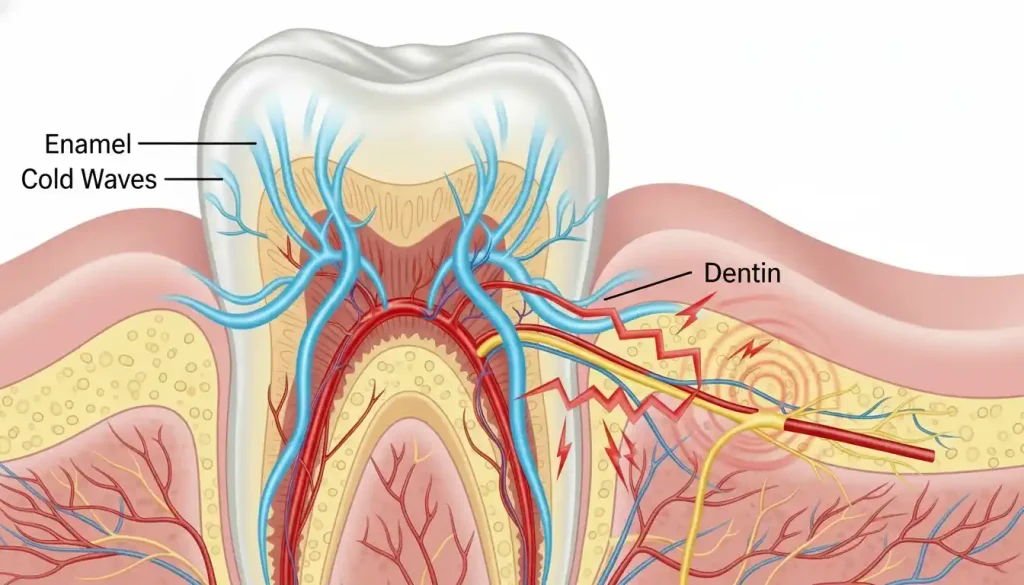
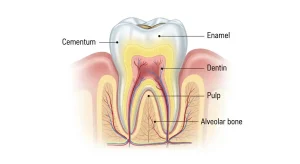
To understand why cold causes pain, it helps to know the basic structure of your tooth. Each tooth has three layers: a hard outer layer called enamel, a softer layer underneath called dentin, and a center part known as the pulp, which contains nerves and blood vessels.
The dentin layer has tiny tubes that connect directly to the nerve inside your tooth. When enamel wears down or gums pull back, these tubes become exposed. Cold foods or drinks make the fluid inside these tubes move quickly, which sends a signal to the nerve and causes that sharp, sudden pain. Cold tends to trigger stronger pain because it makes the fluid move faster than heat, which is why something like ice water can feel much more painful than warm drinks.
Why Is My Tooth Sensitive to Cold?

Tooth sensitivity to cold isn’t caused by one single thing, it’s a symptom with many possible origins. Here’s a thorough look at all the likely culprits.
Worn Tooth Enamel (Most Common Cause)
Enamel is the strong outer layer of your tooth, but it can wear down over time. Once it’s gone, it doesn’t grow back. When enamel gets thinner, the sensitive layer underneath (dentin) becomes exposed, which leads to pain when you eat or drink something cold.
One of the main reasons enamel wears down is acidic foods and drinks like soda, citrus fruits, energy drinks, and even sparkling water. Brushing too hard or using a hard-bristled toothbrush can also damage enamel. In the early stages, you might feel a mild sensitivity that comes and goes especially near the gumline.
Gum Recession Exposing Tooth Roots
Unlike the crown of your tooth, the root surface isn’t covered by enamel, it’s covered by a softer tissue called cementum. When gums recede and expose the roots, they become highly vulnerable to temperature changes. The sensitivity near your gumline tends to feel sharper and more localized compared to sensitivity felt across the whole tooth.
Gum recession can be caused by gum disease (periodontitis), aggressive brushing, genetics, or simply aging. Many people don’t notice recession until sensitivity or a visually longer-looking tooth tips them off. At that point, the root has likely been exposed for some time.
Cavities or Early Tooth Decay
Cold sensitivity is often one of the first noticeable signs of a cavity forming. When decay eats through enamel and approaches the dentin layer, it creates a pathway for cold temperatures to reach the nerve more easily. The pain pattern here is telling: if cold triggers a quick, sharp sensation that fades within a few seconds, the decay is likely still limited to the outer layers.
If the pain lingers for 30 seconds or longer after the cold trigger is gone, the nerve may already be involved. Ignoring cold sensitivity that turns out to be a cavity is a costly mistake. What starts as a small filling can progress to a root canal if left untreated.
Cracked, Chipped, or Fractured Tooth
Cracks in teeth aren’t always visible to the naked eye. Microscopic fractures often caused by biting down on something hard, old fillings creating internal stress, or teeth grinding can allow cold temperatures to reach the sensitive dentin and nerve directly. You might notice a combination of sensitivity to cold and sharp pain when biting down or releasing pressure. This combination is a strong signal of a cracked tooth. Without treatment, cracks can deepen and eventually split the tooth.
Recent Dental Work (Temporary Sensitivity)
If you’ve recently had a filling placed, a crown fitted, or a teeth whitening procedure, it’s completely normal to experience cold sensitivity for days or even a few weeks afterward. The tooth has been manipulated, and the nerve needs time to settle.
Sensitivity from fillings often peaks in the first week and gradually fades. Sensitivity from whitening treatments is typically due to the bleaching agents temporarily opening dentin tubules and tends to resolve within 24–72 hours.
When to be concerned: if the sensitivity is intense, worsening, or hasn’t improved after a few weeks, it’s worth calling your dentist. It may indicate a high bite, an irritated nerve, or a poorly sealed restoration.
Worn-Out Fillings or Dental Restorations
Fillings don’t last forever. Over years of chewing, grinding, and exposure to temperature changes, the bond between a filling and the surrounding tooth can weaken. Tiny gaps called microleakage form around the edges of the filling. These gaps allow cold (and bacteria) to seep in and irritate the dentin and nerve.
If a tooth that was fine for years suddenly becomes cold-sensitive again, a failing restoration is a prime suspect. Your dentist can identify this with an exam, and replacing the filling usually resolves the sensitivity.
Teeth Grinding (Bruxism)
Bruxism habitual grinding or clenching of the teeth puts enormous pressure on enamel over time. People who grind at night often have no idea they’re doing it until a dentist notices the flattened, worn-down biting surfaces.
This wear gradually strips away enamel protection, leading to widespread cold sensitivity. Sensitivity from bruxism often feels worse in the morning, right after a night of grinding. A custom night guard from your dentist can prevent further damage and give enamel a chance to recover.
Why Is Only One Tooth Sensitive to Cold?
When sensitivity is limited to a single tooth, it almost always points to a localized problem: a crack, a cavity, gum recession around that specific tooth, or a failing filling. Generalized sensitivity across many teeth is more typical of enamel erosion or bruxism.
A single sensitive tooth deserves targeted investigation from your dentist, because the underlying cause is usually treatable and quite specific. Don’t assume it will “even out” across other teeth; a single-tooth sensitivity that persists is a red flag that something isolated is going wrong.
Tooth Sensitive to Cold but Not Hot What Does It Mean?
This is actually a meaningful clinical distinction. Sensitivity to cold only with no pain from hot food or drinks typically indicates exposed dentin rather than a damaged or infected nerve. The nerve is reacting to cold stimulation through those open tubules, but it isn’t yet in a state of irreversible damage. Dentists call this reversible pulpitis: the pulp (nerve tissue) is inflamed and reactive, but potentially recoverable with treatment.
In contrast, sensitivity to heat, spontaneous pain with no trigger, or pain that lingers long after the stimulus is removed are signs of irreversible pulpitis meaning the nerve is significantly damaged and may require a root canal. Cold-only sensitivity, especially when it’s brief and sharp, is actually an early warning stage. Catching and treating it now is far better than waiting.
Why Did My Tooth Suddenly Become Sensitive to Cold?

Sudden onset sensitivity where a tooth that was fine yesterday is now reactive has a few possible explanations. A new cavity may have progressed far enough to start affecting the dentin. A small crack may have formed or widened from biting something hard.
Gum recession can progress gradually and then suddenly cross a threshold where the root exposure is significant enough to cause symptoms. You might also have recently changed your diet toward more acidic foods or beverages, or started brushing more aggressively. Sudden sensitivity that appears without an obvious cause is one of the clearest signs to book a dental appointment sooner rather than later.
When Tooth Sensitivity to Cold Is a Serious Problem
Not all tooth sensitivity is an emergency but some is. Here’s when you should treat cold sensitivity as a serious concern requiring prompt dental attention:
- The pain lasts more than a few seconds after the cold trigger is removed
- The pain is intense, throbbing, or keeps you awake at night
- You notice swelling in your gum or face near the affected tooth
- You have a bad taste or smell that won’t go away
- You have fever or feel generally unwell
These symptoms can indicate nerve damage, an infected pulp, or a dental abscess, a serious bacterial infection that can spread beyond the tooth if untreated. An abscess requires immediate professional treatment and sometimes antibiotics. Nerve damage may require a root canal to save the tooth. These situations will not improve on their own.
How to Stop Tooth Sensitivity to Cold (Effective Solutions)
At-Home Treatments (Mild Cases)
If your sensitivity is mild and occasional, these approaches can make a real difference:
Desensitizing toothpaste: Products containing potassium nitrate or stannous fluoride work in two ways: potassium nitrate calms the nerve directly by blocking pain signal transmission, while fluoride compounds help plug open dentinal tubules over time. Results are gradual; most people notice improvement after 2–4 weeks of consistent use. For best results, apply a small amount directly to the sensitive tooth with your finger after brushing and don’t rinse.
Switch to a soft-bristled toothbrush: Hard bristles and aggressive scrubbing accelerate both enamel wear and gum recession. Use light, circular strokes instead of side-to-side sawing motion.
Avoid trigger foods temporarily: While managing the sensitivity, reducing ice-cold drinks, acidic foods, and carbonated beverages can prevent constant re-irritation of the nerve.
Fluoride mouthwash: A daily fluoride rinse helps strengthen enamel and reduce sensitivity over time. Swish for 60 seconds after brushing, don’t eat or drink for 30 minutes afterward for best absorption.
Professional Dental Treatments (Moderate to Severe Cases)

When at-home remedies aren’t enough, your dentist has a range of effective treatments:
Fluoride varnish: Applied in-office to sensitive areas, fluoride varnish is significantly more concentrated than over-the-counter products and provides fast-acting protection for exposed dentin.
Dental bonding: A tooth-colored resin is applied directly over exposed root surfaces or areas of worn enamel, physically sealing the dentinal tubules. It’s durable, looks natural, and can dramatically reduce sensitivity.
Gum grafting: For significant gum recession, a gum graft surgically repositions gum tissue to cover the exposed root. This is the most comprehensive fix for recession-related sensitivity and also protects against further bone and gum loss.
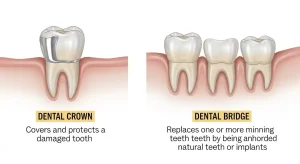
Fillings and crowns: Cavities causing sensitivity need to be filled. Cracked or heavily worn teeth may require a crown to restore structural integrity and eliminate sensitivity.
Root canal: This is the last resort when the nerve is irreversibly damaged or infected. Contrary to its fearsome reputation, a modern root canal is no more uncomfortable than a filling for most patients and it permanently eliminates the source of pain.
How to Prevent Tooth Sensitivity in the Future
The best way to deal with tooth sensitivity is to stop it before it starts. Simple daily habits can protect your teeth and keep sensitivity away over time.
Brush the right way: Use a soft-bristled toothbrush and brush gently twice a day for about two minutes. Avoid brushing too hard, as it can wear down enamel and damage your gums.
Limit acidic foods and drinks: Try to reduce soda, energy drinks, citrus fruits, and juices. If you do have them, rinse your mouth with water afterward. Wait at least 30 minutes before brushing, because your enamel is softer right after acid exposure.
Use a night guard if you grind your teeth: Grinding can slowly wear down enamel. A custom night guard from your dentist can protect your teeth while you sleep.
Visit your dentist regularly: Routine checkups help catch problems like enamel wear, gum recession, or cavities early before they turn into sensitivity or pain.
Cold sensitivity is often a warning sign that something needs attention. Sometimes it’s a simple fix, and other times it may need professional care. Paying attention early can help you avoid bigger dental problems later.
Schedule Your Tooth Sensitivity Consultation in Mesa, AZ
Tooth sensitivity to cold is often caused by enamel wear, gum issues, or early decay. While it’s common, it should not be ignored. Early treatment can prevent bigger dental problems and help protect your smile.
If you’re experiencing ongoing tooth sensitivity, professional care can quickly identify the cause and provide lasting relief. Book online today at Mesa, Arizona, you can visit Valencia Dental Care for a complete evaluation and personalized treatment plan to restore your comfort and oral health.
Conclusion
Tooth sensitivity to cold is usually a sign that your tooth’s protective layer has been weakened or exposed. While it’s often caused by common issues like enamel wear, gum recession, or minor decay, it shouldn’t be ignored especially if the pain is frequent or getting worse.
The good news is that most cases can be treated or managed with the right care. Whether it’s simple changes at home or professional dental treatment, addressing the problem early can prevent more serious damage and help keep your teeth healthy and pain-free.
Frequently Asked Questions
Why does cold water hurt my teeth but not hot?
Cold sensitivity usually happens when dentin is exposed. It reacts faster to cold than heat, causing sharp pain. This is often an early sign of enamel wear or gum recession.
Can tooth sensitivity go away on its own?
Mild sensitivity can improve with proper care, but ongoing pain usually needs treatment. Ignoring it may lead to more serious dental problems over time.
How long should tooth sensitivity last?
Temporary sensitivity may last a few days to weeks. If it continues longer, see a dentist. Persistent sensitivity usually means there is an underlying issue.
Does sensitivity always mean a cavity?
No, it can also be caused by enamel wear, gum recession, or grinding. A proper dental checkup can confirm the exact cause.
Is sensitive toothpaste really effective?
Yes, regular use can reduce sensitivity over time by protecting exposed areas. Consistency is key to seeing noticeable results.