


Most people can get dental implants, but not everyone is an immediate candidate. Factors like jawbone density, gum health, overall medical condition, and lifestyle habits can influence whether implants are the right option for you.
Who Is a Good Candidate for Dental Implants?
Most adults with missing teeth can be considered for dental implants, but the best candidates share a few important characteristics. Healthy gums free from active infection are essential, along with sufficient jawbone density to properly support the implant. Patients who do not smoke or who are committed to quitting before and during treatment generally experience better healing and long-term success. Good overall health and the ability to recover from a minor surgical procedure also play a key role.
Beyond physical factors, commitment matters. Patients who maintain strong oral hygiene habits and keep up with regular dental visits tend to achieve the most successful, long-lasting results. If you meet most of these criteria, there’s a good chance you’re a suitable candidate. However, the only way to know for sure is through a professional dental evaluation tailored to your specific needs.
What Are the Main Requirements for Dental Implants?

Before moving forward with dental implant treatment, a few essential requirements must be met. Understanding these helps set clear expectations and ensures you’re fully prepared for the evaluation process.
Sufficient Jawbone Density
Dental implants are small titanium posts placed directly into the jawbone, where they act as artificial tooth roots. For the implant to remain stable, there must be enough bone volume and density to support it and allow it to fuse with the bone, a process known as Osseointegration. If the bone is too thin, weak, or insufficient, the implant may not have a secure foundation. In such cases, additional procedures like bone grafting may be recommended before treatment.
Healthy Gums
Gum health is critical to implant success. Healthy gum tissue helps protect the implant and surrounding bone, while active gum disease can increase the risk of infection and implant failure. Patients with gum disease can still qualify, but the condition must be treated and controlled first. Stable, infection-free gums are a must before placing implants.
Good Overall Health
Although dental implant placement is a routine outpatient procedure, your body still needs to heal properly afterward. Conditions that affect healing such as uncontrolled diabetes or immune disorders may increase risks. Your dentist will review your medical history and medications to ensure it’s safe to proceed. In many cases, health conditions can be managed to allow successful treatment.
Commitment to Oral Hygiene
Dental implants are designed to last for many years, but they require consistent care. Daily brushing, flossing, and regular dental visits are essential to keep the surrounding tissue healthy. Poor oral hygiene can lead to Peri-implantitis, a serious condition that can cause implant failure. A strong commitment to oral care is key to protecting your investment and ensuring long-term success.
What Conditions May Restrict Dental Implants?
While many people qualify for dental implants, certain health and lifestyle factors can delay or complicate treatment. Understanding these limitations helps you address potential issues early and plan more effectively.
Severe Bone Loss
After a tooth is lost, the surrounding jawbone gradually shrinks due to lack of stimulation. Significant bone loss can make it difficult to securely place an implant. However, this does not automatically rule out treatment. Procedures like bone grafting can rebuild the area, though they may add time and complexity to the overall process.
Gum Disease (Periodontitis)
Active Periodontitis is one of the most common reasons implant placement is delayed. An infected oral environment increases the risk of implant failure. The good news is that gum disease can be treated with procedures such as deep cleaning (scaling and root planning) or surgical therapy. Once the gums are healthy and stable, implants can usually be placed successfully.
Chronic Health Conditions
Certain medical conditions such as uncontrolled diabetes, autoimmune disorders, or blood-related conditions can interfere with healing and increase complication risks. Medications like bisphosphonates, often used for osteoporosis, may also affect bone healing. These factors don’t necessarily disqualify you, but they must be carefully managed, often in coordination with your physician, before proceeding.
Smoking and Tobacco Use
Smoking is one of the biggest risk factors for implant failure. It restricts blood flow to the gums and slows healing, directly impacting Osseointegration. Research consistently shows higher failure rates among smokers. Many dentists strongly advise quitting before surgery and throughout the healing period to improve outcomes.
Age Considerations
Dental implants are generally not recommended for children or teenagers whose jawbones are still developing. Placing implants too early can lead to alignment issues as the bone continues to grow. Most patients are good candidates by their late teens or early twenties. On the other hand, there is typically no upper age limit; older adults can successfully receive implants as long as they are in good overall health.
Can You Still Get Implants If You Have Bone Loss?
Yes, many patients with bone loss can still get dental implants. While reduced bone volume used to be a major limitation, modern dentistry offers reliable solutions that make treatment possible in many cases.
The most common approach is bone grafting. In this procedure, bone material taken from your own body, a donor source, or a synthetic option is placed in the area where the implant will go. Over time, this material integrates with your natural bone through a process called Osseointegration, creating a stable foundation for the implant. Healing typically takes a few months before the implant can be placed.
For patients with bone loss in the upper jaw, especially near the molars, a sinus lift may be recommended. This procedure gently raises the sinus floor and adds bone beneath it, increasing the available height for secure implant placement.
While these preparatory procedures can extend the timeline and add to the overall cost, they significantly expand eligibility. With proper planning and expert care, many patients who were once told they were not candidates for implants can now achieve successful, long-lasting results.
Are Dental Implants Safe for Older Adults?
Absolutely. There is no upper age limit for dental implants, and age by itself is never a reason to rule out treatment. What matters most is overall health, bone quality, and the body’s ability to heal not the number of years lived.
Many adults in their 70s, 80s, and beyond have successfully received dental implants and experienced significant improvements in how they eat, speak, and smile. For those who have struggled with loose dentures or dietary restrictions, implants can provide a level of stability and comfort that greatly enhances daily life.
The key is proper evaluation and preparation. Any underlying health conditions should be well managed, and your dentist may coordinate with your physician to ensure everything is under control before surgery. With careful planning and the right precautions, dental implants can be a safe, effective, and long-lasting solution at virtually any adult age.
What If You Don’t Qualify for Dental Implants?

If dental implants aren’t the right option for you right now or if treatment needs to be delayed while addressing certain conditions there are still effective and reliable alternatives available. Your dentist can guide you toward the best solution based on your needs, goals, and oral health.
Dental Bridges
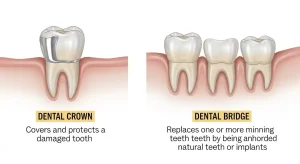
Dental bridges are a fixed, non-removable solution that use the teeth on either side of a gap to support an artificial tooth in between. They are durable, natural-looking, and a long-established option for patients who may not have enough bone to support implants.
Full or Partial Dentures
Dentures remain a practical and accessible choice for patients missing multiple or all of their teeth. Modern dentures are more comfortable and aesthetically pleasing than ever before, making them a dependable solution for restoring function and appearance.
Implant-Supported Dentures
For patients who may not qualify for full implant placement, Implant-supported dentures offer a middle-ground option. These dentures attach to a limited number of implants, providing improved stability and comfort compared to traditional removable dentures.
Even if implants aren’t immediately possible, you still have options to restore your smile and maintain oral function. In some cases, addressing underlying issues may even make implants a viable choice in the future.
How a Dentist Determines If You’re Eligible
Evaluating your eligibility for dental implants is a detailed and personalized process not a simple checklist. Your dentist looks at the full picture of your oral and overall health to ensure the procedure is both safe and successful.
The process begins with a comprehensive oral examination. During this step, your dentist carefully assesses your gums, remaining teeth, and soft tissues, checking for signs of infection, gum disease, or structural concerns that could impact implant success.
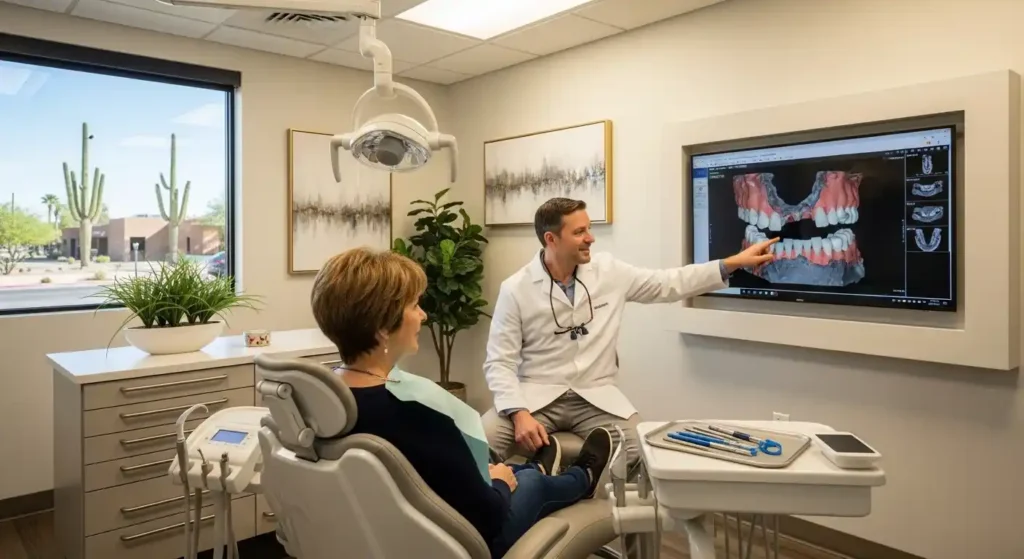
Advanced imaging plays a crucial role next. Digital X-rays and 3D cone beam CT scans provide precise insights into your jawbone’s volume, density, and the position of nearby nerves and sinuses. This information is essential for accurate planning and helps determine whether additional procedures, such as bone grafting, are needed before placing the implant.
Your medical history is also thoroughly reviewed. Conditions that affect healing, along with medications like blood thinners or bisphosphonates, are carefully considered. In some cases, your dentist may coordinate with your physician to ensure everything is properly managed before moving forward.
How to Improve Your Eligibility for Dental Implants
If you currently do not meet all the requirements, do not be discouraged. In many cases, determining your eligibility for dental implants begins with a comprehensive exam, where your dentist evaluates your gums, teeth, and soft tissues for any signs of infection, gum disease, or structural concerns. This is followed by diagnostic imaging, such as X-rays or 3D scans, to assess your jawbone’s density, volume, and the position of nearby structures.
In addition, your medical history is carefully reviewed to identify any conditions or medications that could affect healing. Based on all these findings, your dentist develops a customized treatment plan outlining whether you’re a suitable candidate, any preparatory procedures needed, and a clear timeline for the entire process.
Benefits of Dental Implants

For patients who qualify, dental implants offer advantages that no other tooth replacement option can fully replicate. They are a long-lasting solution when properly cared for, implants can last for decades or even a lifetime. They look and function like natural teeth, allowing you to eat, speak, and smile with confidence. Because the implant acts like a tooth root, it helps stimulate the jawbone and prevent bone loss, preserving your facial structure.
Many patients also experience a significant boost in self-confidence and overall quality of life. The stability and reliability of implants eliminate the daily inconveniences often associated with removable dentures, giving you the freedom to eat, speak, and live without limitations.
Ready to Restore Your Smile in Mesa, AZ?
If you’re in Mesa, AZ and wondering whether dental implants are right for you, the team at Valencia Dental Care is here to help. Schedule your consultation today to get a personalized evaluation and discover the best solution for restoring your smile. Don’t wait to take the first step toward a healthier, more confident smile now.
Conclusion
Dental implants are one of the most effective and long-lasting solutions for replacing missing teeth, but not everyone is an immediate candidate. Factors like bone density, gum health, overall medical condition, and lifestyle habits all play an important role in determining eligibility. The good news is that modern dental advancements make it possible for many patients, even those with initial limitations, to become strong candidates through proper treatment and planning.
If you’re missing teeth and wondering whether implants are right for you, the best next step is a professional consultation. A thorough evaluation will help identify your suitability and outline a personalized treatment plan to restore both function and confidence in your smile.
Frequently Asked Questions
Can anyone get dental implants?
Not everyone is an immediate candidate, but many people can qualify after addressing issues like bone loss, gum disease, or other health concerns.
How long do dental implants last?
With proper care and regular dental visits, dental implants can last for decades or even a lifetime.
Is the dental implant procedure painful?
The procedure is typically done under local anesthesia, so patients usually feel little to no pain during treatment. Mild discomfort during recovery is normal and manageable.
How long does it take to get dental implants?
The process can take several months, especially if additional procedures like bone grafting are needed. Healing time is important for long-term success.
What happens if I don’t have enough bone for implants?
You may still be eligible after a bone graft or sinus lift procedure, which helps build enough bone to support the implant securely.