


People are afraid of the dentist mainly due to fear of pain, past negative dental experiences, needles, loss of control during treatment, or anxiety about possible diagnoses and treatment costs. These concerns often cause people to postpone dental visits until problems become more serious or painful.
This fear ranges from mild nervousness to severe dental phobia (dentophobia), but modern dentistry in Mesa, AZ now focuses on patient comfort through gentle techniques, clear communication, and sedation options to help anxious patients receive care more comfortably..
What Is Dental Anxiety and Dentophobia?
Dental anxiety is one of the most common fears, and many people feel nervous or uncomfortable at the thought of visiting the dentist. Research shows that a large percentage of adults experience some level of dental anxiety, while a smaller group struggles with severe fear that can prevent them from seeking regular dental care.
It is helpful to understand the difference between dental fear, anxiety, and dentophobia. Dental fear usually occurs in response to a specific concern, such as pain during treatment, while dental anxiety involves general worry or unease about dental visits. Dentophobia is a more intense and persistent fear that may cause someone to avoid the dentist entirely, often leading to delayed treatment and worsening oral health problems.
Why Are People Afraid of the Dentist?

Dental anxiety rarely develops without a reason. In most cases, fear of the dentist is shaped by past experiences, emotional triggers, or uncertainty about treatment. Understanding these underlying causes helps explain why dental fear is so common and why many people delay or avoid care even when they know it is important for their health.
Past Painful Dental Experiences
For many individuals, dental fear begins with a negative or painful experience, often during childhood. An uncomfortable procedure, inadequate pain control, or feeling unheard during treatment can create a lasting association between dental visits and discomfort. Even years later, these memories may continue to trigger anxiety whenever a dental appointment is scheduled.
Fear of Pain or Needles
Concern about pain remains one of the leading reasons people avoid the dentist. The anticipation of injections or sensitive procedures can heighten stress long before treatment begins. Needle anxiety, which affects a significant portion of adults, can feel particularly intense in dental settings where procedures occur close to the face and mouth.
Loss of Control in the Dental Chair
Dental treatment can create a sense of vulnerability, as patients must remain still while unable to speak freely or see what is happening. This temporary loss of control can increase anxiety, especially for individuals who prefer clear communication or reassurance throughout medical procedures.
Fear of the Unknown
Uncertainty about what a dentist might discover or what a procedure will involve often fuels anxiety. Questions about potential pain, unexpected treatments, or serious oral health issues can cause anticipatory stress, making the idea of the appointment feel more overwhelming than the visit itself.
Embarrassment About Oral Health
Many patients experience anxiety related to embarrassment rather than pain. Concerns about stained teeth, gum disease, or long gaps between visits may create fear of judgment. Unfortunately, this embarrassment can lead to continued avoidance, allowing oral health problems and anxiety to worsen over time.
Financial Concerns About Treatment
Financial uncertainty is another important contributor to dental fear. Worry about treatment costs or unexpected procedures can discourage patients from scheduling visits. Today, many dental practices address this concern by offering transparent pricing, insurance guidance, and flexible payment options to make care more accessible and less stressful.
Signs and Symptoms of Dental Anxiety
Dental anxiety can manifest in a wide variety of ways, and recognizing the signs in yourself is an important first step toward seeking support.
Emotionally, you might notice intense dread in the days or weeks leading up to an appointment, irritability or difficulty sleeping the night before, or a sense of panic that seems disproportionate to the situation. You may find yourself searching for reasons to cancel or postpone.
Physically, anxiety often shows up as a racing heart, sweating, trembling, nausea, or dizziness. Some people experience these symptoms simply when they smell the particular scent of a dental office or hear the sound of a dental drill, a phenomenon known as a conditioned response.
Behaviorally, the clearest sign of dental anxiety is avoidance. If you are putting off check-ups, making and then cancelling appointments, or only visiting the dentist when pain becomes unbearable, dental anxiety is likely playing a significant role.
How Dental Fear Affects Oral Health
Dental anxiety is more than an emotional concern; it can have serious consequences for oral and overall health. When fear leads people to postpone routine dental visits, minor issues that could be treated early often progress into more complex problems over time.
Tooth decay and gum disease are among the most common outcomes of avoided dental care. Without regular cleanings and examinations, plaque and tartar accumulate in hard-to-reach areas, allowing cavities to worsen and gum inflammation to progress into periodontal disease.
Ironically, avoiding the dentist often leads to the very problems patients fear most. Delayed care increases the likelihood of severe pain, dental infections, or emergency treatment, which are typically more invasive and costly than routine preventive visits.
How Dentists Help Patients With Dental Anxiety Today
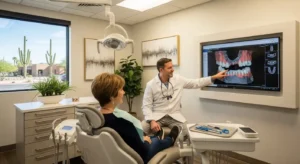
Modern dentistry has evolved significantly, with a strong focus on patient comfort and anxiety management. Many dental professionals now receive specialized training to support nervous patients, creating a more reassuring and supportive experience compared to traditional dental visits.
Gentle and Patient-Focused Care
Many dental practices emphasize a calm, patient-centered approach designed specifically for individuals with dental anxiety. Dental teams are trained to recognize signs of stress and respond with patience, empathy, and understanding, ensuring patients feel heard and respected throughout their visit.
Clear Communication During Treatment
Open communication plays a key role in reducing fear. Dentists often explain each step of a procedure in advance so patients know what to expect, helping eliminate uncertainty. Establishing simple pause signals, such as raising a hand, also gives patients a sense of control and reassurance during treatment.
Modern Pain-Free Technology
Advancements in dental technology have made treatments far more comfortable than in the past. Techniques such as precise anesthesia delivery, laser-assisted procedures, and digital imaging allow dentists to perform many treatments with minimal discomfort while improving efficiency and accuracy.
Comfortable Dental Environment
Modern dental offices are increasingly designed to promote relaxation. Features such as calming music, comfortable seating, soothing lighting, and entertainment options help create a welcoming atmosphere that reduces stress and makes appointments feel less intimidating.
Effective Ways to Overcome Fear of the Dentist

Overcoming dental anxiety takes time, but with the right approach and support, most people can gradually feel more comfortable with dental care. Small, practical steps can significantly reduce fear and make future visits far less stressful.
Talk Openly With Your Dentist
One of the most effective ways to manage dental anxiety is to share your concerns with your dentist before treatment begins. Open communication allows the dental team to adjust the pace of care, provide additional reassurance, and ensure you feel supported throughout the appointment. Being honest about your fears helps create a more comfortable and trusting experience.
Learn What to Expect
Uncertainty often increases anxiety. Asking your dentist to explain procedures in advance helps remove surprises and builds confidence. When patients understand what will happen and why a treatment is necessary, dental visits tend to feel more predictable and less intimidating.
Practice Relaxation Techniques
Simple relaxation methods can help calm both the mind and body before and during appointments. Deep breathing, progressive muscle relaxation, and mindfulness techniques can reduce physical tension and lower anxiety levels, making it easier to remain relaxed during treatment.
Bring Music or Distractions
Listening to music, podcasts, or guided meditation through headphones can help shift attention away from dental sounds and sensations. Distractions provide a sense of comfort and help minimize anxious thoughts during procedures.
Start With Simple Visits
If you have avoided dental care for a long time, beginning with a consultation or routine cleaning can help rebuild confidence. Gradual exposure to the dental environment allows patients to become familiar with the setting and team, making future treatments feel more manageable.
Sedation Dentistry Options for Anxious Patients

For patients with moderate to severe dental anxiety, sedation dentistry can make treatment significantly more comfortable and stress-free. Different levels of sedation are available depending on a patient’s needs, anxiety level, and the type of procedure being performed.
Nitrous Oxide (Laughing Gas)
Nitrous oxide is inhaled through a small mask placed over the nose and helps patients feel calm and relaxed within minutes. It does not induce sleep, and its effects wear off quickly after treatment, allowing most patients to safely resume normal activities soon afterward.
Oral Sedation
Oral sedation involves taking a prescribed anti-anxiety medication before the appointment to promote deeper relaxation. Patients remain awake but feel drowsy and at ease during treatment, and transportation home is typically required after the visit.
IV Sedation
IV sedation is delivered through a vein, allowing the dentist to carefully control the level of relaxation throughout the procedure. Patients usually remain in a deeply relaxed, semi-conscious state and may remember little of the treatment, making this option ideal for complex procedures or severe dental anxiety.
When Dental Anxiety Becomes Severe
For many people, supportive care and practical coping strategies are enough to make dental visits manageable. However, in some cases, dental anxiety can develop into dentophobia, a severe and persistent fear that significantly interferes with seeking necessary dental care.
Common signs of severe dental anxiety include avoiding the dentist for years despite ongoing dental problems, experiencing panic or intense distress when thinking about appointments, or developing physical symptoms such as nausea, sweating, or rapid heartbeat that prevent attendance. When fear begins to disrupt daily life or delay essential treatment, additional professional support may be beneficial.
Effective treatment options are available. Cognitive behavioral therapy (CBT) is widely used to help individuals identify and reshape fear-based thought patterns, while a gradual, step-by-step approach to dental visits can rebuild confidence over time. With the right combination of psychological support and an understanding dental team, even patients with long-standing dental fear can successfully return to comfortable, routine care.
Take the First Step Toward Stress-Free Dental Care
Don’t let dental anxiety keep you from a healthy smile. At Valencia Dental Care in Mesa, AZ, our compassionate team focuses on gentle, stress-free dentistry designed to help even the most nervous patients feel comfortable and confident. Schedule your appointment today and experience dental care in a calm, supportive environment.
Conclusion
Fear of the dentist is far more common than many people realize, and it often develops from past experiences, uncertainty, or concerns about pain and treatment outcomes. While dental anxiety can feel overwhelming, understanding its causes is the first step toward regaining confidence and taking control of your oral health.
The good news is that modern dentistry prioritizes comfort, communication, and patient-centered care more than ever before. With supportive dental teams, advanced pain-management techniques, and sedation options when needed, even highly anxious patients can receive treatment in a calm and reassuring environment. Taking small steps toward regular dental care not only protects your smile but also helps break the cycle of fear over time.
Frequently Asked Questions
Why are so many people afraid of the dentist?
Most people fear the dentist due to concerns about pain, negative past experiences, needles, or uncertainty about treatment. Anxiety may also stem from embarrassment about oral health or fear of unexpected costs.
Is dental anxiety normal?
Yes, dental anxiety is very common and affects millions of adults. Many people experience mild nervousness, while others may develop more severe fear that requires additional support or sedation options.
Can dentists treat patients with dental anxiety?
Absolutely. Modern dentists are trained to manage anxious patients through gentle techniques, clear communication, comfort-focused environments, and sedation dentistry when necessary.
How can I calm my anxiety before a dental appointment?
Practicing deep breathing, listening to music, scheduling morning appointments, and discussing concerns with your dentist beforehand can help reduce stress and make visits more comfortable.
When should dental anxiety be considered a phobia?
Dental anxiety may be considered dentophobia when fear leads to long-term avoidance of dental care, panic attacks related to appointments, or physical symptoms severe enough to prevent treatment. Professional support and gradual exposure can help manage severe cases.