
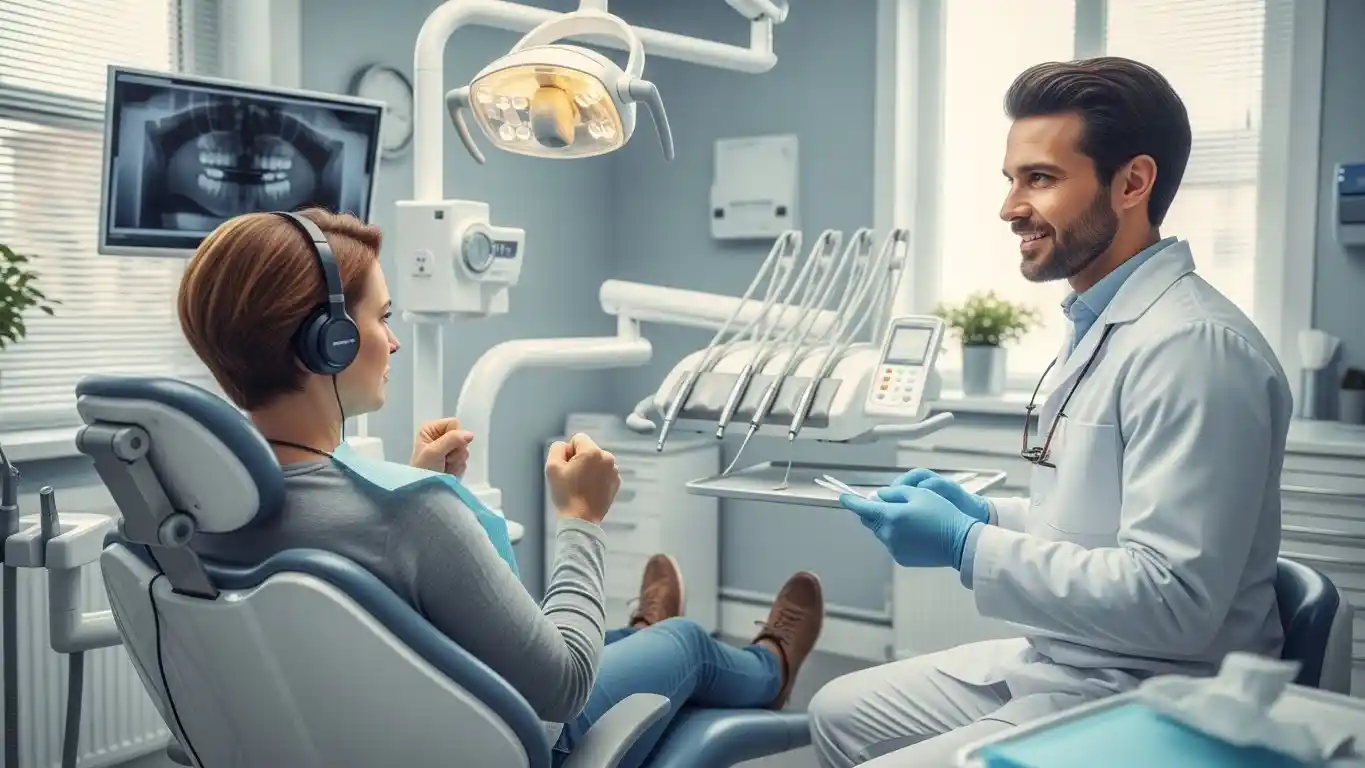
 Many people are scared of going to the dentist. This fear is very common. It stops people from getting the care they need. The main reasons are fear of pain, bad memories from past visits, and feeling trapped in the dental chair.
When you avoid the dentist because of fear, small dental problems turn into big ones. They become painful and cost more money to fix. This article explains why dental fear happens and shows simple ways to deal with it.
Understanding Dental Fear and Anxiety
Dental fear exists on a scale and affects people differently. Some people feel mild nervousness before appointments but still go. Others experience intense fear that stops them from seeking care completely. They cancel appointments or avoid making them for years. Dental fear is a common response to discomfort, uncertainty, and lack of control. Understanding the type of fear you have helps identify the right solution.
Dental Fear, Anxiety, and Phobia: What’s the Difference?
Dental anxiety causes worry before appointments. You might feel nervous in the waiting room or have trouble sleeping the night before. Dental fear causes strong distress during treatment. You feel very upset in the dental chair but still manage to go sometimes. Dental phobia leads to complete avoidance of dental care. People with dental phobia stay away for years, even when they have tooth pain. All three types can negatively affect your oral health if not addressed.
The Main Reasons People Are Scared of Dentists
Dental fear usually develops from specific triggers based on past experiences, sensory discomfort, or fear of judgment. Below are the most common causes. Understanding these reasons helps you see that your fear is normal and shared by many people. By identifying your triggers, you can take specific steps to reduce anxiety and feel more in control during visits.
Fear of Pain and Past Painful Experiences
Older dental treatments were more painful and less controlled. Pain memories stay active in the brain to protect you from future danger. Even if pain no longer exists in modern dental care, the expectation of pain causes anxiety. Your mind thinks “the dentist hurt me before, so it will hurt again,” making you nervous even before you sit down.
Traumatic Childhood Dental Visits
Early dental trauma creates long-term fear. Children who experienced pain, force, or fear during dental visits often carry those reactions into adulthood. Maybe a dentist wasn’t gentle or you felt scared and no one listened. Many adults with severe dental fear can point to one bad childhood experience that started it all.
Loss of Control in the Dental Chair
Lying back with limited movement and inability to speak easily creates stress. Loss of control increases anxiety because patients feel dependent and vulnerable. You can’t see what’s happening in your own mouth and must trust someone else completely. This feeling of being trapped makes many people panic.
Fear of Needles, Drills, and Dental Sounds
The high-pitched drill sound makes many people tense up immediately. Seeing needles causes fear. Strong dental clinic smells trigger memories. These sights, sounds, and smells activate the brain’s fear response, making your heart race and muscles tense even before treatment begins.
Gag Reflex, Breathing Concerns, and Claustrophobia
When dental tools go in your mouth, your body may want to gag. Having your mouth held open makes breathing feel difficult. The dentist and assistant leaning over your face feels claustrophobic. These reactions are physical, not imagined. Your body reacts this way even when you try to stay calm.
Embarrassment About Teeth or Oral Health
Many people delay visits due to shame about tooth condition. They worry the dentist will judge them for cavities, missing teeth, or bad breath. Fear of judgment increases avoidance, which worsens dental problems over time. This creates a cycle that’s hard to break.
Stories, Myths, and Negative Information Online
Negative dental stories and outdated myths increase fear. Bad stories spread faster than good ones. Online content often exaggerates pain and ignores modern improvements. Old myths like “root canals are terrible” still spread, even though they’re not true with modern methods.
The Psychology Behind Dental Fear
Dental fear is driven by the brain’s threat response. Fear reactions occur automatically and are not a personal weakness. This automatic response explains why even minor procedures can feel overwhelming. Understanding the science behind your fear can help you approach dental care with more confidence and less stress.
How the Brain Triggers Fear at the Dentist (Fight-or-Flight Response)
Fight-or-flight is the body’s automatic danger system. When your brain senses a threat, it increases heart rate, creates muscle tension, speeds up breathing, and causes sweating. The problem is the brain cannot distinguish between real danger and dental treatment. A bear chasing you and a dentist with a drill trigger the same response. This causes intense fear even when you know logically the dentist is trying to help.
How Fear of Dentists Affects Oral and Overall Health
Fear-driven avoidance has long-term health consequences affecting both physical and emotional health. Ignoring dental care can also affect your overall wellbeing, including your diet, sleep, and mental health. Addressing fear early prevents a chain reaction of worsening health problems and emotional strain.
How Avoiding the Dentist Leads to Bigger Oral Health Problems
Skipping cleanings leads to plaque buildup. Plaque buildup leads to cavities. Cavities lead to infections. Delayed care results in more invasive and expensive treatments. A small cavity needs a simple filling. A big cavity might need a root canal. If you wait even longer, the tooth might need removal. What could have been fixed easily becomes a major problem.
Emotional Stress, Shame, and Reduced Confidence
Dental problems affect self-esteem. You might hide your smile or cover your mouth when laughing. They affect social interactions and mental well-being. You feel guilty about not going and ashamed of your teeth. Fear creates a cycle of avoidance and worsening health. The worse your teeth get, the more scared you feel. The more scared you feel, the harder it is to get help.
Signs You May Have Dental Anxiety or Phobia
Certain symptoms show dental fear is interfering with your care. Knowing these signs helps you act before fear causes serious dental issues. Recognizing patterns in your behavior or physical responses can guide you to the right support or treatment.
Physical Symptoms of Dental Anxiety
Your body shows fear in real ways. Rapid heartbeat makes your heart pound. Sweating occurs even in a cool room. Nausea makes your stomach feel sick. Muscle tension makes your body tight and stiff. Sleep disturbance happens the night before appointments. Shaking or trembling occurs even when you try to stay still.
Emotional and Behavioral Warning Signs
Repeated cancellations mean you make appointments but cancel them over and over. Long gaps between visits are a warning sign. If you haven’t seen a dentist in years, fear might be the reason. Tolerating pain instead of seeking care is serious. Extreme worry days before appointments makes focusing difficult. Avoiding even thinking about teeth shows strong fear.
How Modern Dentistry Has Changed (And Why It’s Less Scary Now)
Dental care has improved significantly in comfort and safety. If you haven’t been in years, you’ll be surprised. These advancements mean fewer painful procedures and faster recovery. Understanding modern techniques can reduce fear before you even step into the office.
Pain-Free and Minimally Invasive Treatments
Modern numbing medicine works much better than old anesthesia. It works faster and lasts longer. Dentists use gentler techniques and focus on comfort and prevention. They try to save natural teeth instead of removing them. Many procedures that used to hurt are now pain-free.
Gentle Technology and Quieter Equipment
Quieter drills make less scary sounds. Digital X-rays are faster and more comfortable than old films. Many offices have TVs on the ceiling and offer headphones for music. Offices look modern and welcoming, not scary. These improvements make the experience much better.
Sedation Dentistry Options for Anxious Patients
Laughing gas makes you feel relaxed while staying awake. Pills prescribed by your dentist make you sleepy and calm. Stronger sedation options exist for very scared people, helping you relax deeply with little memory of the procedure. You can discuss these options with your dentist.
Practical Ways to Overcome Fear of the Dentist
Fear can be reduced with preparation, communication, and the right approach. Small, consistent actions before and during appointments can make a huge difference. Practicing these strategies regularly helps you regain control and feel safer at the dentist.
How to Prepare Mentally Before Your Appointment
Breathing exercises help calm nerves. Breathe in slowly for four counts, hold, then breathe out slowly for four counts. Book morning appointments if you worry all day. Picture yourself sitting calmly in the dental chair. This mental practice reduces actual fear.
Communicating Your Fears With Your Dentist
Tell your dentist what scares you specifically. Say “I’m scared of needles” or “The drill sound makes me panic.” Work out hand signals for breaks. Knowing you can stop anytime makes fear less intense. Good dentists want to know your fears so they can help.
Relaxation Techniques That Actually Work
Listen to music or podcasts with headphones to block dental sounds. Practice muscle relaxation by tensing then releasing muscles from toes to face. Use focus techniques like counting backward from 100. Give your brain a task so it doesn’t focus only on fear.
Choosing the Right Dentist for Anxious Patients
Look for dentists who list experience with anxious patients. Search for “gentle dentist” or “anxiety-friendly office.” Read reviews from other scared patients. Visit the office first to see if it feels welcoming. A good dentist for anxious patients will be patient and understanding, not rushed.
Helping Children Who Are Scared of the Dentist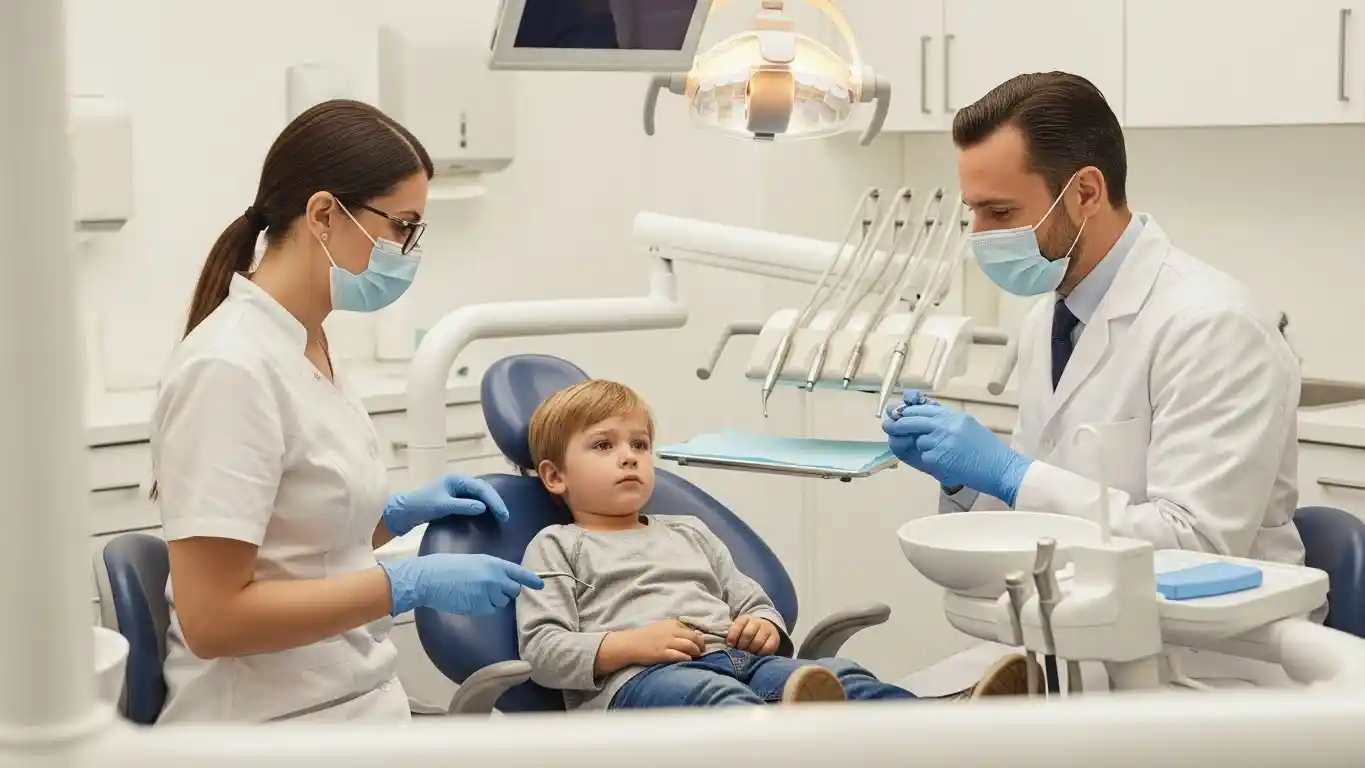
Early experiences shape how children feel about dental care for life. Parents can help kids avoid dental fear. Teaching children positive dental habits early sets them up for a lifetime of healthy teeth. Showing calm and confidence as a parent also reassures children that dental visits are safe.
Why Dental Fear Starts Early
Early discomfort or confusion creates lasting fear responses. Kids don’t understand what’s happening or why. First dental experiences matter most. If the first visit is scary, it affects all future visits. Bad early visits can make children scared of dentists as adults.
How Parents Can Build Positive Dental Experiences
Start visits early, by age one. Use positive words like “the dentist will count your teeth.” Don’t say “it won’t hurt” as that introduces the idea of pain. Never use the dentist as a threat. Choose a kid-friendly dentist. Reward bravery after appointments. Praise being brave, not sitting perfectly still.
When to Seek Professional Help for Dental Fear
Severe dental fear sometimes requires additional support beyond regular coping techniques. Professional help can prevent long-term dental problems and improve your quality of life. Don’t wait until fear stops you from seeking care—getting help early makes treatment easier and less stressful.
When Dental Fear Requires Professional Support
If you haven’t had a visit in years due to fear, that’s a sign help is needed. If fear affects daily life or you tolerate severe pain instead of going, the fear is too strong. CBT (cognitive behavioral therapy) helps you change the scared thoughts that fuel fear. Some dentists have special training in anxiety management. Seeking help improves health and quality of life. Getting treatment for fear is smart and brave. Help is available and works. You don’t have to live with dental fear forever.
Overcome Dental Fear with Gentle Care
Don’t let dental fear keep you from a healthy, confident smile. At Valencia Dental Care, our team understands anxious patients and offers gentle, comfortable treatments, including sedation options if needed. Schedule a consultation or routine check-up today, discuss your concerns with our caring staff, and experience how stress-free modern dental care can be. Take control of your oral health and protect your smile—your comfort and confidence are our priority.
Conclusion
Dental fear is common, but avoiding care has real consequences for your teeth, health, and confidence. Fear can lead to cavities, infections, and complicated treatments that are more painful and expensive. Understanding why you’re afraid and recognizing your triggers is the first step toward overcoming dental anxiety. Modern dentistry has solutions to make visits comfortable, safe, and even stress-free. You don’t have to let fear control your oral health—taking action today can prevent bigger problems tomorrow.
Frequently Asked Questions
Is it normal to be scared of the dentist?
Yes, dental fear is very common. Millions of people feel nervous or anxious before appointments. Feeling scared doesn’t mean there is anything wrong with you—it’s a natural response to potential discomfort.
Can modern dental treatments really be pain-free?
Absolutely. Today, dentists use advanced numbing techniques, gentle tools, and minimally invasive procedures to reduce or eliminate pain. Many treatments that used to hurt are now comfortable.
What are the signs that my dental fear is serious?
Warning signs include avoiding appointments for years, canceling frequently, feeling panic at the thought of the dentist, or tolerating severe pain instead of getting treatment. These indicate dental anxiety or phobia that may need extra support.
How can I manage fear during a dental visit?
Prepare mentally with deep breathing, bring headphones for music, communicate your fears to your dentist, and consider relaxation techniques or sedation options. These strategies reduce stress and help you feel in control.
Should children see a dentist even if they are scared?
Yes. Early dental visits help children develop healthy habits and prevent long-term fear. Parents can build positive experiences by choosing kid-friendly dentists, using encouraging words, and rewarding bravery.